



Discover ECHO Insights: Winter 2026
 Thank you for your time and contributions to ECHO. Here are findings from several ECHO studies on improving child health and development.
Download these study results
In English or En Español
Past study results
Fall 2025: In English or En Español
Summer 2025: In English or En Español
February 2025: In English or En Español
August 2024: In English or En Español
July 2023: In English or En Español
January 2023: In English or En Español
September 2022: In English or En Español
View more Publications and Research Summaries
Winter 2026 Study Insights


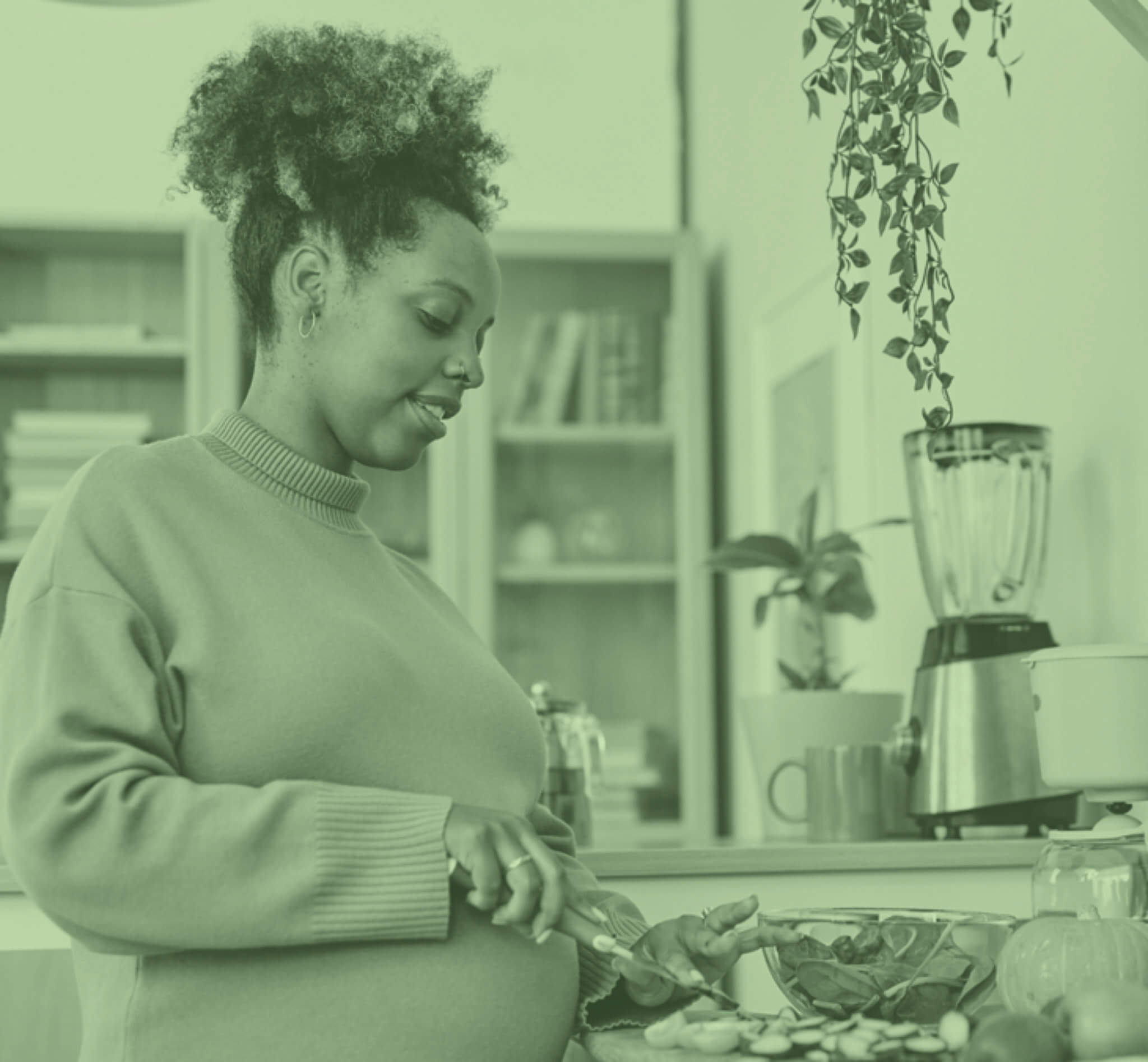
Vitamin D During Pregnancy May Play a Role in Child Brain Development
Why was the study needed?
Lack of enough vitamin D is very common, particularly among Black people whose skin pigment makes it harder for them to produce vitamin D from sunlight. ECHO researchers wanted to understand how lack of vitamin D during pregnancy affects child brain development.
What happened?
912 mother-child pairs from ECHO research sites across the U.S. were included in the study. Researchers measured vitamin D levels in the mothers’ blood during pregnancy or in their babies’ cord blood at birth. Later, they evaluated the child’s ability to problem solve, process new information, and learn when they were 7 to 12 years old.
What were the study results?
Children whose mothers had higher levels of vitamin D during pregnancy tended to do better on tests assessing their ability to problem solve and process new information. The link between vitamin D and thinking skills was stronger in children of Black mothers compared to other racial groups. The largest effects on child brain development were linked to vitamin D levels in early pregnancy.
What action could I take after reading this information?
Early pregnancy may be a critical period when vitamin D has the greatest potential to support brain development. Talk with your doctor about checking your vitamin D levels before and during pregnancy.
Read the summary: Prenatal Vitamin D Levels Associated with Children’s Brain Development, ECHO Study Suggests


Pregnancy Diets Lower in Whole Grains May Be Linked to Lower Birthweight and Preterm Birth
Why was this study needed?
ECHO scientists wanted to understand how pregnancy diet, especially in relation to blood sugar levels, affects birth outcomes—like the baby’s weight and whether the baby is born early. In the U.S., Hispanic pregnant individuals are at higher risk for these adverse birth outcomes. So, ECHO researchers wanted to evaluate how dietary patterns may vary across racial and ethnic groups to uncover more precise links between diet and birth outcomes.
What happened?
420 Hispanic and 564 non-Hispanic White pregnant participants from two ECHO Cohort study sites were included in the study. Participants shared details about what they ate over a 24-hour period. Researchers evaluated these diets and each mother’s fasting blood sugar levels in relation to their later birth outcomes, such as birthweight and preterm birth.
What were the results?
Pregnant participants who ate more refined grains (e.g., white bread, white rice) had higher blood sugar and higher risk of low birthweight or preterm birth. Whole grains (e.g., oatmeal, brown rice, whole-wheat bread) improved blood sugar control in non-Hispanic White participants. Fruit raised blood sugar levels for Hispanic participants, while solid fats and nuts lowered blood sugar in both groups.
What action could I take after reading this information?
Studies like this can help us develop a more precise understanding of how pregnancy diet affects birth outcomes within different racial and ethnic groups.
Read the summary: A Diet High in Refined Grains and Low in Whole Grains in Pregnancy Linked to Lower Birthweights and Preterm Births
Healthier Diets During Pregnancy May Be Associated with Better Infant Growth Patterns
Why was this study needed?
Nearly a third of children in the U.S. are overweight or have obesity. Early infant growth patterns can be strong predictors of later childhood obesity risk. ECHO researchers wanted to understand how pregnancy diet might influence infant birthweight and growth over time.
What happened?
2,854 mother-child pairs from ECHO research sites across the U.S. were included in the study. The researchers collected information on mothers’ diets during pregnancy. Later, they used the infants’ medical records to track birthweight and growth up to 24 months.
What were the results?
Pregnant participants who had higher Healthy Eating Index (HEI) scores, which measure how well a diet aligns with U.S. Dietary Guidelines, were more likely to have babies with a healthy birthweight. Their babies also had a lower chance of gaining weight more quickly, with respect to their age and length, from birth to 6 months and from birth to 24 months.
What action could I take after reading this information?
Talk with your doctor about ways to improve your diet during pregnancy.
Read the summary: ECHO Study Investigates Nutrition During Pregnancy and Infant Growth Outcomes
Fall 2025 Study Insights
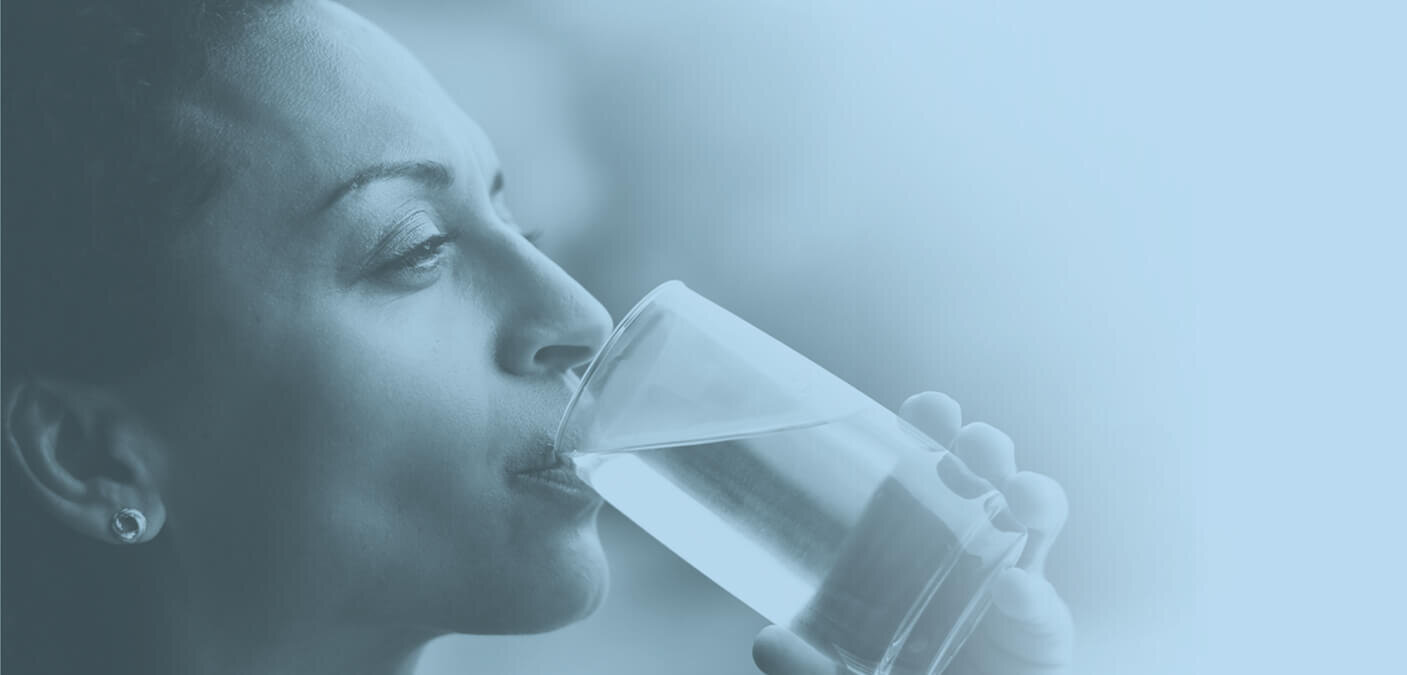

 Arsenic in Public Drinking Water May Affect Birth Outcomes, Even Below Federal Limit
Why was this study needed?
ECHO researchers wanted to understand how exposure to arsenic in public drinking water— at levels below the current federally enforced limit—may affect birth outcomes.
What happened?
13,998 mother-infant pairs from ECHO research sites across the U.S. were included in the study. Researchers estimated the amount of arsenic participants were exposed to through public drinking water during pregnancy by looking at water quality data where they lived.
What were the results?
Pregnant participants exposed to arsenic in public drinking water, even at levels below the federal limit, were more likely to have babies born with low birthweight (less than 5 lbs 8 oz) or smaller than average for their duration of pregnancy.
What action could I take after reading this information?
Drinking filtered water can reduce exposure to arsenic and other water contaminants. Reverse osmosis filters are the most effective for removing arsenic and other chemical contaminants.
Read the summary: Adverse Birth Outcomes May Be Associated with Arsenic Levels in Public Drinking Water
 Exposure to Airborne Lead May Affect Children’s Brain Development
Why was this study needed?
Certain kinds of manufacturing can release chemicals like lead into the air and water. ECHO scientists wanted to test whether lead pollution in the air, even at very low levels, is related to children’s intelligence, impulse control, ability to adapt to changing situations, and memory.
What happened?
Over 3,000 kids from across the U.S. were included in the study. Researchers matched their home addresses (between birth and age 5) to a public database that estimates lead pollution across the country. Kids also took tests that evaluated their intelligence, impulse control, and ability to adapt to new situations between the ages of 3 and 8.
What were the results?
Kids who lived in areas with relatively more airborne lead pollution showed less impulse control and had slightly lower IQ scores. Boys were more sensitive to the effects of airborne lead than girls.
What action could I take after reading this information?
Studies like this can help us understand how air pollution affects children’s health outcomes. The EPA’s Toxic Release Inventory program offers tools to help people learn more about the sources of air pollution in their local communities.
Read the summary: ECHO Research Suggests Airborne Lead Exposure Affects Children’s Brain Development, Impacting Boys More Than Girls


Summer 2025 Study Insights
Time Spent in Childcare is Not Associated with Mental Health Risks in Young Children Facing Family Challenges
WHY WAS THIS STUDY NEEDED?
ECHO scientists wanted to understand whether attending out-of-home childcare improves or worsens the effects of family challenges, such as parent mental illness or economic hardship, on children’s mental health.
WHAT HAPPENED?
2,024 parent-child pairs from three ECHO research sites were included. Researchers surveyed parents about their kid’s childcare attendance (birth to age 3) and challenges their family may have faced during that time. Later, they asked them about their children’s mental health symptoms and behaviors (kids aged 3 through 5).
WHAT WERE THE RESULTS?
Kids who experienced family challenges early in life were more likely to have symptoms and behaviors related to anxiety, depression, hyperactivity, and aggression. Time spent in childcare was not associated with any improvement or worsening of these symptoms or behaviors.
WHAT ACTION COULD I TAKE AFTER READING THIS INFORMATION?
Studies like this can help us understand how different types and qualities of childcare could improve the effects of family challenges on children’s mental health, helping to shape public health policies that promote healthy outcomes for kids.
Read the summary: ECHO Cohort Study Finds Amount of Time Spent in Childcare Not Associated with Mental Health Risks in Young Children, Including Those Facing Family Challenges
Stronger Friendships Matter More than Time Spent on Social Media for Teen Mental Health
WHY WAS THIS STUDY NEEDED?
ECHO researchers wanted to understand how teen social media use affects their mental health in both positive and negative ways.
WHAT HAPPENED?
Researchers surveyed 963 teens aged 13to 18 from three ECHO research sites about their social media habits. The researchers also measured the teens’ life satisfaction, sense of purpose, symptoms of depression, and friendship quality.
WHAT WERE THE RESULTS?
Teens with strong, supportive friendships were more likely to have positive mental health, while those with poor-quality friendships were more likely to have worse mental health, even if they spent similar amounts of time on social media.
WHAT ACTION COULD I TAKE AFTER READING THIS INFORMATION?
Instead of focusing on limiting teen social media use, parents can support teens in building and maintaining strong, supportive friendships.
Read the summary: Strong Friendships Matter More than Time Spent on Social Media for Adolescent Mental Health, ECHO Study Finds
Maternal Stress During & After Pregnancy May Be Associated with Child Sleep Problems
WHY WAS THIS STUDY NEEDED?
ECHO researchers wanted to understand how maternal stress during and after pregnancy might lead to sleep problems in children.
WHAT HAPPENED?
1,965 mother-child pairs from ECHO research sites across seven U.S. states and Puerto Rico were included in the study. Mothers answered questions about their stress levels during and after pregnancy, and later they answered questions about their child’s sleep quality (kids aged 4 to 8).
WHAT WERE THE RESULTS?
Stress during pregnancy was associated with child sleep problems and sleep disturbances, even when accounting for the influence of stress after pregnancy.
WHAT ACTION COULD I TAKE AFTER READING THIS INFORMATION?
Stress during and after pregnancy is very common. Talk to your doctor about ways to manage stress.
Read the summary: ECHO Study Finds Maternal Stress During and After Pregnancy May Be Linked to Child Sleep Problems
February 2025 Study Insights
Attention-deficit/hyperactivity disorder (ADHD) is a neurodevelopmental disorder that can cause inattention, impulsivity, and hyperactivity. ADHD may develop from genetic and environmental factors.


 Early Childhood Phthalate Exposures May Be Associated with ADHD in Childhood and Adolescence
WHY WAS THIS STUDY NEEDED?
ECHO researchers wanted to understand how early life exposure to phthalates (chemicals that are in everyday items such as food packaging, building materials, and personal care products) may be linked to ADHD later in life (ages 8-18 years).
WHAT HAPPENED?
ECHO researchers looked at phthalate
(pronounced THAL-ate) exposure in over 200 children aged 2-5 years (many of whom had ADHD) and parents answered questions about each child’s ADHD symptoms at ages 8-18.
WHAT WERE THE RESULTS?
This study suggests that early childhood exposure to certain phthalates may be associated with having ADHD traits.
WHAT ACTION COULD I TAKE AFTER READING THIS INFORMATION?
Studies like this can help us understand how early life exposures may contribute to later child behaviors.
Read the summary: Early Childhood Phthalate Exposures linked with ADHD in Childhood and Adolescence
 Maternal Sleep During Second Trimester of Pregnancy May Be Associated with ADHD Symptoms and Sleep Quality in Early Childhood
WHY WAS THIS STUDY NEEDED?
ECHO scientists wanted to understand how poor sleep during pregnancy might lead to more ADHD symptoms and sleep problems in children.
WHAT HAPPENED?
794 mother-child pairs across five ECHO research sites were included in the study. Pregnant participants answered questions about their sleep during pregnancy, and later they answered questions about their children’s behaviors and ADHD symptoms (kids aged 3 to 5).
WHAT WERE THE RESULTS?
Getting better sleep and sleeping for longer during the second trimester of pregnancy was associated with less ADHD symptoms and sleep problems in 4-year old children.
WHAT ACTION COULD I TAKE AFTER READING THIS INFORMATION?
Poor sleep during pregnancy is very common. Talk to your doctor about ways to get
better sleep.
Read the summary: ECHO Study Finds Maternal Sleep During Second Trimester of Pregnancy May be Associated with ADHD Symptoms and Sleep Quality in Early Childhood
 |
August 2024 Study InsightsGreen Space is Important for Young Children’s Mental Health WHAT'S THE ISSUE? WHY IT MATTERS WHAT WE CAN DO ABOUT IT |
 |
Phthalate Exposure May Cause High Blood Pressure during Pregnancy
WHAT’S THE ISSUE? WHY IT MATTERS WHAT WE CAN DO ABOUT IT |
 |
Lower Risk of Child Obesity Linked to Early Breastfeeding
WHAT’S THE ISSUE? WHY IT MATTERS WHAT WE CAN DO ABOUT IT *ECHO acknowledges that not everyone can breastfeed. |
 |
July 2023 Study ResultsChanges in body mass index among school-aged children before and after the Healthy, Hunger-Free Kids Act |
|
| What happened?
ECHO researchers asked if the passing of the Healthy, HungerFree Kids Act (HHFKA) led to a decrease in BMI in children over time. ECHO researchers compared yearly BMI trends with the BMI of over 14,000 ECHO participants between the ages of 5 and 18 living in the United States and Puerto Rico. |
Why was this study needed?
Obesity is a serious health concern that affects nearly 1 in 5 children in America, and only a few small studies have explored if the Healthy, Hunger-Free Kids Act reduced body mass index (BMI) in children over time. |
|
| What is the Healthy, HungerFree Kids Act?
The Healthy, Hunger-Free Kids Act (HHFKA) is a federal law that allowed schools across the nation to offer free lunch and breakfast programs to help improve child nutrition. |
What were the results?
The decade before the HHFKA was passed, childhood BMI rates were increasing. There was an overall decrease in BMI in the first few years after the HHFKA passed compared to the decade prior to the program. |
|
It is important that pregnant women get the right amounts of the nutrients they need for a healthy pregnancy. This study looked at over 20,000 prenatal vitamins available in the U.S. that contain optimal doses of six key nutrients. Read more here. |
|
|
January 2023 Study ResultsNeighborhood conditions affect pregnancy and infant health. Pregnant participants living in neighborhoods with more pollution, traffic, poverty, and crowded housing had shorter pregnancies and smaller babies. This matters because lower birthweight and shorter pregnancies are linked with health challenges later in life, like problems with how the brain works. Improving the neighborhoods pregnant women live in may support child health. Read more here. |
|
Household products may be harmful to pregnant women. Pregnant women in the US are widely exposed to certain chemicals in household products like plastics and pesticides. This matters because these chemicals may be harmful to child brain and kidney development. Low-cost products without harmful chemicals are needed to support child health. Read more here. Learn more here. |
 |
Children experienced changes in health behaviors during the COVID-19 pandemic. During the pandemic, children got more sleep but also had more screen time. This matters because these behaviors can impact their health, learning, and quality of life. It is important to support healthy child behaviors during public health emergencies. Read more here. |
|
|
September 2022 Study ResultsFamily chats and activities protect children from stress during COVID-19. Children who coped with the pandemic by talking and doing activities with family were happier even when stressed. This matters because positive feelings are linked to mental and physical health. Doing things to promote good family relationships may keep kids strong during hard times. [Pediatrics 2022] |
|
Toxic metals in pregnancy are linked to birth weight. Babies born to mothers with higher levels of metals, such as antimony, were smaller than average at birth. This matters because how well a baby grows in the womb is linked to future health. More research into the sources of antimony is needed to help pregnant women avoid it. [Environ Int 2022] Learn more about antimony here. |
|
Healthy weight and normal blood sugar in pregnancy were linked to lower risk of autism-related social behaviors. This matters because talking and interacting with peers is important for child health. Helping moms stay healthy during pregnancy may support child social development. [Am J Epidemiol. 2022] |
 |
Child growth rate is linked to early puberty. Children who gained weight fastest from birth to age 5 started puberty earlier. This matters because starting puberty early is linked to type 2 diabetes. Watching a child’s weight gain may help identify children at risk for early puberty. [JAMA Netw Open 2022] Learn more about healthy weight here. |


For a full list of all ECHO findings, visit www.echochildren.org/echo-program-publications.
Read more research results on the website: echochildren.org/research-summaries/.
Note: Results reported here are for single studies. Other or future studies may provide new information or different results.
You should always consult with a qualified healthcare provider for diagnosis and for answers to your personal questions.