



 New ECHO research reveals that increasing symptoms of depression may be more common among women who give birth to preterm babies compared to women who have their babies at full term. Mothers of preterm babies were also more likely to experience depression that lasted years after birth, and for many of these women, their symptoms of depression got worse over time. These findings resulted from a collaborative effort between ECHO researchers Danielle Roubinov, PhD of the University of California, San Francisco (UCSF) and Rashelle Musci, PhD of Johns Hopkins University, along with senior author Nicole Bush, PhD, of UCSF and other ECHO researchers.
Their research, titled “Trajectories of Depressive Symptoms Among Mothers of Preterm and Full-Term Infants in a National Sample,“ is published in Archives of Women’s Mental Health.
The research team collected data from approximately 11,300 women from 35 different ECHO cohorts across the United States that documented self-reported depression measures for women when they were pregnant and after they had their babies. Of these women, 11% had preterm births, and 89% had full-term babies. Follow-up assessments from the two groups of women were collected at least once within the first five years following childbirth to better understand the long-term trajectories of depressive symptoms s and potential opportunities for treatment.
“Having a baby is exciting, but it can also be stressful, and some women feel sad or anxious before and after their baby is born,” said Dr. Roubinov. “This period can be especially difficult for mothers when babies are born prematurely.”
Many mothers can struggle with their mental health after giving birth, and women who give birth prematurely may be particularly at risk of experiencing depressive symptoms related to the birth experience, neonatal care challenges, and ongoing concerns about the infant’s health and development.
“Currently, many doctors only ask women about how they feel when they are pregnant and for six months after birth,” said Dr. Musci. “This study showed us that we should be continuing to ask women about their mental health for years following their pregnancy while helping them to find the support they need.”
Future ECHO studies can add to this research by assessing intervention programs that can help support the mental health of new mothers, as maternal mental health is a critical influence on children’s development.
Learn more about depression during and after pregnancy through the Centers for Disease Control and Prevention and NIH.
 A collaborative research effort led by Stephanie Eick, PhD, MPH of Emory University’s Rollins School of Public Health and Rachel Morello-Frosch PhD, MPH of the University of California, Berkeley investigated the relationship between various biological, behavioral, and social factors and higher levels of oxidative stress in pregnant women, which is often associated with poor prenatal health outcomes. Pregnant participants who were 30+ years old and had a college degree had lower levels of oxidative stress. In contrast, levels of oxidative stress were higher among pregnant participants who were overweight or obese, or unmarried. Levels of oxidative stress biomarkers were also higher among pregnant participants who were current smokers or had less than a high school education.
 Collaborative ECHO research led by Amy Padula, PhD, MSc from the University of California, San Francisco and Rachel Morello-Frosch, PhD, MPH from the University of California, Berkeley found that many ECHO participants are motivated to engage in individual and collective action to protect their families and communities from the negative effects of chemical exposures. These findings may be used to improve report-back of chemical results and shift responsibility of chemical exposures from individuals to policymakers.
 In a collaborative research effort involving participants from nine ECHO cohorts, Jessie P. Buckley, PhD, of Johns Hopkins Bloomberg School of Public Health, and Tracey J. Woodruff, PhD, of the University of California San Francisco led a research team that examined chemical exposures in pregnant women. This is the largest exposure study to measure more than 100 contemporary and emerging chemicals simultaneously in a diverse population of pregnant women in the U.S. The researchers used a new method for measuring multiple chemicals in a small amount of urine.
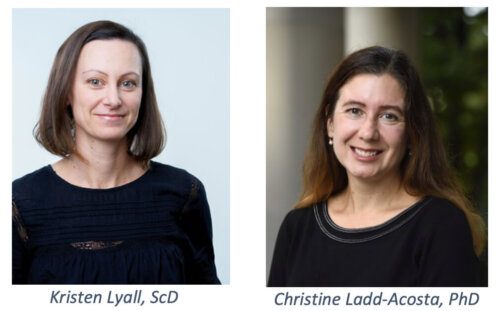 Collaborative ECHO research from Kristen Lyall, ScD of Drexel University and Christine Ladd-Acosta, PhD of Johns Hopkins University found an association between childhood autism-related social behaviors and maternal obesity and gestational diabetes during pregnancy.
 In a collaborative research effort led by Caitlin Howe, PhD and Margaret Karagas, PhD of Dartmouth College, researchers observed an inverse association between the metalloid antimony and birth weight for gestational age, suggesting that this understudied metalloid may harm fetal growth. Their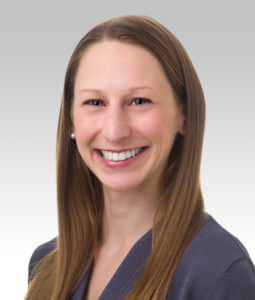
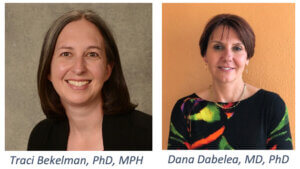 Collaborative ECHO research led by Traci Bekelman, PhD, MPH and Dana Dabelea, MD, PhD of the University of Colorado, Anschutz Medical Campus, analyzed parents’ experiences with two parent-reported diet assessments: the Remote Food Photography Method (RFPM)—which involves parents taking pictures of their child’s meals using a smartphone app—and the Automated Self-Administered 24-hour Dietary Assessment Tool (ASA24)—which involves parents filling out daily recalls of their child’s meals.