New ECHO Research Suggests Harsh Parenting and High Socioeconomic Stress May Be Associated With Higher Internalizing Problems in Children

Collaborative ECHO research led by Lue Williams, MA, MS, Veronica Oro, PhD and Leslie Leve, PhD of the Prevention Science Institute at the University of Oregon investigates the relationship between two early childhood stress factors, harsh parenting and socioeconomic stress, and children’s development from childhood through adolescence. This research, titled “Influence of Early Childhood Parental Hostility and Socioeconomic Stress on Children’s Internalizing Symptom Trajectories from Childhood to Adolescence,” is published in Frontiers in Psychiatry.

Internalizing problems in childhood may be early indicators of problems associated with disorders such as depression and anxiety. Internalizing by children can be influenced by biological and environmental factors, including parent-child relationships and socioeconomic status. This study looked at how harsh parenting and socioeconomic stress were associated with internalizing problems in children. The researchers characterized harsh parenting, or “parental hostility,” as non-supportive and controlling parenting practices, displays of anger and disappointment in children, and discipline through punishment. Socioeconomic stress reflects disadvantages associated with factors like household income.

The study included two samples—a nationwide sample of 481 children who were adopted at birth and a sample of 1,053 children from six predominantly low-wealth, rural communities in eastern North Carolina and central Pennsylvania. Adopted children from the Early Growth and Development Study (EGDS) have lived in their adoptive homes since birth and were recruited into the study between 2003 and 2009. Children from the Family Life Project (FLP) were raised by their biological parents and were recruited into the study at birth, from September 2003 through 2004.

The researchers analyzed data collected from the EGDS and FLP, and observed that, within the study sample, children fell into three main groups based on the severity of their internalizing behaviors and how those behaviors progressed with age: low, moderate-increasing, and higher-increasing. Some of the internalizing behaviors reported include feeling anxious or depressed, being withdrawn, and complaining of aches and sickness. Parents who reported more negative interactions with children in early childhood had children who were more likely to be in the group with the highest internalizing behaviors.

Children with more socioeconomic stress in their households were also most likely to be in the highest internalizing behaviors group, as compared with both the low- and moderate-internalizing symptoms groups. Researchers also observed that household socioeconomic stress directly predicted children’s mental health, but did not find any significant relationship between child sex assigned at birth and how likely they would be to show internalizing behaviors.

“Not many studies have examined early childhood predictors of internalizing behavior developments, so our research fills an important gap by examining the role of diverse risk factors in early life on patterns of internalizing symptoms later in childhood,” Williams said. “Our findings suggest that in addition to focusing on children’s symptoms when treating internalizing problems, health service providers may also wish to consider the broader context of caregiver behavior and access to resources for care.”

Future studies are needed to further support programming and research efforts by exploring how socioeconomic stress and parenting styles can influence children’s internalizing behaviors identified in the current study.


Read the research summary.

Harsh Parenting and High Socioeconomic Stress May Be Associated with Higher Internalizing Problems Like Anxiety in Children, ECHO Study Finds

<< Back to Research Summaries

Harsh Parenting and High Socioeconomic Stress May Be Associated with Higher Internalizing Problems Like Anxiety in Children, ECHO Study Finds

Authors: Lue Williams, Veronica Oro, Leslie Leve, et al.


Who sponsored this study?

The Environmental influences on Child Health Outcomes (ECHO) Program, Office of the Director, National Institutes of Health supported this research.


Why was this study needed?

Internalizing problems in childhood such as chronic internal distress may be early indicators of problems associated with disorders such as depression and anxiety. Internalizing by children can be influenced by biological and environmental factors, including parent-child relationships and socioeconomic status.

This study examined the relationship between two early childhood stress factors, harsh parenting and socioeconomic stress, and children’s development from childhood through adolescence. For this study, the researchers characterized harsh parenting, or “parental hostility” as non-supportive and controlling parenting practices, displays of anger and disappointment in children, and discipline through punishment. Socioeconomic stress reflects disadvantages associated with factors like household income. Few studies have examined early childhood predictors of internalizing behavior development, so this research fills an important gap by examining the role of diverse risk factors in early life, between the ages of 18 months and 5 years, on patterns of internalizing symptoms later in childhood. The study design, which used data collected from participants over a long period, also allowed the research team to explore the long-range impact of early life influences across critical stages of children’s physical, social, and psychological development.


What were the study results?

Researchers observed that, within the study sample, children fell into three main groups based on the severity of their internalizing behaviors and how those behaviors progressed with age: low, moderate-increasing, and higher-increasing. Some of the internalizing behaviors reported include feeling anxious or depressed, being withdrawn, and complaining of aches and sickness. Parents who reported more negative interactions with children in early childhood had children who were more likely to be in the group with the highest internalizing behaviors. Children with more socioeconomic stress in their households were also most likely to be in the highest internalizing behaviors group, as compared with both the low- and moderate-internalizing symptoms groups.

Researchers also observed that household socioeconomic stress directly predicted children’s mental health. Study investigators did not find any significant relationship between child sex assigned at birth and how likely they would be to show internalizing behaviors.

Footnote: Results reported here are for a single study. Other or future studies may provide new information or different results. You should not make changes to your health without first consulting your healthcare professional.


What was this study's impact?

The findings from this study suggest that in addition to focusing on children’s symptoms when treating internalizing problems, health service providers may also wish to consider the broader context of caregiver behavior and access to resources for care.


Who was involved?

The study included two samples—a nationwide sample of 481 children who were adopted at birth and a sample of 1,053 children from six predominantly low-wealth, rural communities in eastern North Carolina and central Pennsylvania. Adopted children from the Early Growth and Development Study (EGDS) have lived in their adoptive homes since birth and were recruited into the study between 2003 and 2009. Children from the Family Life Project (FLP) were raised by their biological parents and were recruited into the study at birth, between September 2003 and 2004. Results may not be representative of the general population.


What happened during the study?

The researchers analyzed data collected from children and families that participated in the EGDS and FLP. EGDS children and families completed assessments approximately every nine months when adoptees were under the age of 3, and every one to two years after that. FLP participant families completed an initial home visit assessment when children were 2 months old and participated in annual assessments thereafter.


What happens next?

Future studies are needed to further support programming and research efforts by exploring mechanisms that underlie the relationship between socioeconomic stress, parenting styles, and children’s internalizing behaviors identified in the current study.

 

Where can I learn more?

Access the full journal article, titled “Influence of Early Childhood Parental Hostility and Socioeconomic Stress on Children’s Internalizing Symptom Trajectories from Childhood to Adolescence,” in Frontiers in Psychiatry.


The content is the responsibility of the authors and does not necessarily represent the official views of the National Institutes of Health.

Published April 16, 2024

Read the associated article.

NIH Study Validates New Scale for Measuring Pandemic-Related Traumatic Stress in Children and Adults

FOR IMMEDIATE RELEASE

The Pandemic-related Traumatic Stress Scale (PTSS) can be used to effectively measure stress related to the COVID-19 pandemic and identify children and adults with higher levels of stress who may need additional mental health support, according to a new study funded by the Environmental influences on Child Health Outcomes Program (ECHO) at the National Institutes of Health.

The study included 17,830 children and adults from 47 ECHO Cohort study sites representing all 50 states, Washington, DC, and Puerto Rico. Researchers split the sample into four groups including 1,656 pregnant or postpartum individuals; 11,483 adult caregivers; 1,795 adolescents aged 13 to 21; and 2,896 children aged 3 to 12. Between April 2020 and August 2021, participants or their caregivers completed surveys about their pandemic-related traumatic stress, depressive symptoms, anxiety, general stress, and life satisfaction. On average, caregivers had the highest PTSS scores, followed by adolescents, pregnant or postpartum individuals, and children.

Within these groups, the researchers found additional differences related to age and gender. Adolescents, females, and caregivers of children under 5 had higher PTSS scores on average than younger children, males, and caregivers of children 5 and older, respectively. Higher levels of pandemic-related traumatic stress were associated with greater symptoms of distress and lower life satisfaction.

“The PTSS can be used beyond the immediate COVID-19 pandemic context,” said Courtney Blackwell, PhD, an ECHO Cohort Investigator at Northwestern University. “Unlike previous measures that capture traumatic stress reactions to a single event, the PTSS was developed to evaluate potential traumatic stress reactions to ongoing large-scale threats. In the future, the PTSS could be adapted to evaluate reactions to other acute onset stressors with lengthy durations.”

Dr. Blackwell led this collaborative research published in Psychological Assessment.

Blackwell, C. et al. Development and Psychometric Validation of the Pandemic-related Traumatic Stress Scale for Children and Adults. Psychological Assessment. DOI: 10.1037/pas0001211.

###

About ECHO: Launched in 2016, the Environmental influences on Child Health Outcomes (ECHO) Program is a research program in the Office of the Director at the NIH with the mission to enhance the health of children for generations to come. ECHO investigators study the effects of a broad range of early environmental influences on child health and development. For more information, visit echochildren.org.

About the NIH: NIH, the nation’s medical research agency, includes 27 Institutes and Centers and is a component of the U.S. Department of Health and Human Services. NIH is the primary federal agency conducting and supporting basic, clinical, and translational medical research, and is investigating the causes, treatments, and cures for both common and rare diseases. For more information, visit www.nih.gov.

Media Contacts

For information or to request an interview, contact Rebekah Yeager,  rebekah.yeager@nih.gov.

If you are not a member of the media, but have a general inquiry, please contact  NIHKidsandEnvironment@od.nih.gov.

Connect With Us

echo connectorCheck out the recent issues of our bi-monthly newsletter, the ECHO Connector, for program news and the latest research findings.

To receive the ECHO Connector through email, subscribe here.

Follow @ECHOChildHealth for the latest ECHO Program updates on Twitter.

New ECHO Research Looks into Potential Correlation Between Maternal Stress and Early Childhood Obesity

Collaborative ECHO research led by Callie Brown, MD, MPH of Wake Forest University, and Charles Wood, MD, MPH of Duke University, investigates how maternal stress can affect children’s later body mass index (BMI). This research, titled “Maternal stress and early childhood BMI among US children from the Environmental influences on Child Health Outcomes (ECHO) program,” is published in Pediatric Research.

Obesity affects millions of adults, adolescents, and children in the United States. Many children in the United States enter their school years with obesity, and children with obesity at 3 years of age have a 90% probability of having overweight or obesity as an adolescent.

While existing literature suggests a relationship between parental stress and childhood body mass index (BMI), the exact way in which parental stress might affect BMI in children isn’t fully understood. Researchers looked at 1,694 mother-child pairs across 15 research sites in the United States over time to evaluate how maternal stress might be associated with the child’s BMI.

The study did not find any significant link between maternal stress measured in the first year after childbirth and the child’s BMI. While the study did not find an association between maternal stress levels and childhood obesity, it did reveal other information about both maternal stress and childhood BMI.  Researchers found that higher stress levels were more likely among Hispanic and Black mothers, and less likely among mothers with private health insurance. Furthermore, higher child BMI was more likely among Hispanic mothers, when a mother’s BMI before birth was higher, and when the child’s birth weight was higher.

The study’s results suggest that factors other than a mother’s stress level appear to be stronger predictors of increased childhood BMI.

“Parental stress has been associated with childhood obesity and may affect stress levels and eating, sleep, and physical activity patterns during childhood,” said study author Dr. Wood. “There are many factors in the first year of life that are related to higher weight gain and earlier obesity in children, but our results suggest that the level of a mother’s stress in the first year of life is not a risk factor. This may be because stress during pregnancy, stress later in childhood, and the child’s own stress level are stronger predictors of differences in childhood BMI.”

Future studies may look at additional factors that influence children’s risk for increased BMI such as BMI in later childhood, other periods of stress, parent or caregiver-measured stress measured, or specific types of stress.

Read the research summary.

New ECHO Research Finds Higher Caregiver Stress Levels Linked to Sleep Issues in Children

Collaborative ECHO research led by Maxwell Mansolf, PhD and Courtney K. Blackwell, PhD, of Northwestern University investigates the potential link between poor sleep health of school-age children and stress experienced by their caregivers. This research, titled “Caregiver Perceived Stress and Child Sleep Health: An Item-Level Individual Participant Data Meta-Analysis,” is published in the  Journal of Child and Family Studies.
Up to 50% of children and adolescents in the United States might experience sleep problems, which is an issue because poor sleep can negatively impact brain development, learning, and physical and emotional well-being.

There have been prior studies suggesting a link between poor sleep in children and stress experienced by their caregivers, but those were mainly limited to infants and young children. This study involved school-age children and teens, specifically 2,641 children between the ages of 6 and 18 from 12 ECHO research sites.

Caregivers participating in the study completed the Perceived Stress Scale (PSS) to provide data about their personal stress levels. They also completed the Child Behavior Checklist (CBCL), a parent-reported survey that provides information about a child’s well-being, including their sleep habits. Responses from the PSS and CBCL were compared and analyzed to evaluate how caregiver stress affected child sleep patterns, particularly by looking at CBCL responses that addressed children’s experiences with nightmares, insomnia, ongoing tiredness, and excessive and troubled sleep.

The study found that children whose caregivers reported increased perceived stress from their life circumstances may be at higher risk for sleep issues, reaffirming existing links between caregiver psychosocial state and child well-being. This association was consistent across different groups of child and caregiver pairs studied, even after accounting for mental and physical health conditions, highlighting the importance of screening for caregiver stress to create plans for children who may be at risk for sleep issues.

“This research suggests that children whose caregivers are under increased stress may be at particular risk for sleep issues, and screening for caregiver stress may represent a potential pathway for screening and intervention of child sleep issues,” said Dr. Mansolf. “This research also demonstrates the utility of cross-cohort harmonization, as responses from multiple versions of the Perceived Stress Scale were harmonized for use here.”

Future sleep interventions may consider a more global approach to improving child and adolescent sleep health. Continued research on the factors that influence family health and well-being may guide interventions that address the entire family and the dynamics of the family relationship.

Read the research summary.

ECHO Study Suggests No Association Between Maternal Stress in the First Year After Birth and Childhood BMI

<< Back to Research Summaries

ECHO Study Suggests No Association Between Maternal Stress in the First Year After Birth and Childhood BMI

Authors: Callie Brown, Charles Wood, et al.


Who sponsored this study?

The Environmental influences on Child Health Outcomes (ECHO) Program, Office of the Director, National Institutes of Health supported this research.


Why was this study needed?

Obesity affects millions of adults, adolescents, and children in the United States. Many children in the United States enter their school years with obesity, and children with obesity at 3 years of age have a 90% probability of having overweight or obesity as an adolescent.

While existing literature suggests a relationship between parental stress and childhood body mass index (BMI), the exact way in which parental stress might affect BMI in children isn’t fully understood. There has been some disagreement in what types of stress and at what time points during childhood stress is related to child BMI. This study allowed researchers to look at a large, diverse sample of mothers and children over time to evaluate how maternal stress might be associated with the child’s BMI.


What were the study results?

This study suggests that there is no association between stress of mothers during the first year after birth and the risk of their child having obesity between ages 2 and 4.

While the study did not find an association between maternal stress levels and childhood obesity, it did reveal other information about both maternal stress and childhood BMI.  In this study, the researchers found that higher stress levels were more likely among Hispanic and Black mothers, and less likely among mothers with private health insurance. Higher child BMI was more likely among Hispanic mothers, when the mothers’ BMI before birth was higher, and when the child’s birth weight was higher.

Footnote: Results reported here are for a single study. Other or future studies may provide new information or different results. You should not make changes to your health without first consulting your healthcare professional.


What was this study's impact?

Doctors and researchers are working to identify opportunities to prevent childhood obesity. There are many factors in the first year of life that are related to higher weight gain and earlier obesity in children, but this study’s results suggest that the level of a mother’s stress in the first year of life does not appear to be a risk factor for higher obesity risk in very young children. This may be because other factors are stronger predictors of differences in childhood BMI.


Who was involved?

The study included 1,694 mothers and their children from across the United States.


What happened during the study?

ECHO researchers analyzed data from single pregnancies where maternal stress was measured in the child’s first year of life and a child’s weight and height were measured between 2 and 4 years of age.

In addition to examining maternal stress levels and childhood BMI, researchers analyzed information including a mother’s BMI before pregnancy, the baby’s birthweight, a mother’s race, ethnicity, and age at the time of the child’s birth, and the type of health insurance they had. They also looked at the number of children a mother had and her education level.


What happens next?

Future studies may look into additional factors that can influence children’s risk for increased BMI such as BMI later in childhood, other periods or types of stress, and parent- or caregiver-measured stress.


Where can I learn more?

Access the full journal article, titled “Maternal stress and early childhood BMI among US children from the Environmental influences on Child Health Outcomes (ECHO) program,” in Pediatric Research.


The content is the responsibility of the authors and does not necessarily represent the official views of the National Institutes of Health.

Published July 21, 2023

Access the associated article.

Women Pregnant During COVID-19 Pandemic Experienced More Stress, Depression Symptoms

<< Back to Research Summaries

Women Pregnant During COVID-19 Pandemic Experienced More Stress, Depression Symptoms

Authors: Alison E. Hipwell, Irene Tung, et al.


Who sponsored this study?

The Environmental influences on Child Health Outcomes (ECHO) Program, Office of the Director, National Institutes of Health supported this research.


What were the study results?

This study compared ECHO participants who were pregnant during the COVID-19 pandemic with participants who were pregnant before the pandemic. Participants who were pregnant during the pandemic reported more stress and symptoms of depression. Lower levels of physical activity were associated with more distress, and higher levels of emotional support were associated with less distress during pregnancy for both groups. The results also showed that pregnancies during the pandemic were slightly shorter on average but there was no impact on infant birth weight.


What was the study's impact?

This study highlights the importance of providing access to emotional support and mental health care during pregnancy and identifying ways to promote physical activity to help improve maternal health and well-being, regardless of external conditions like the pandemic.


Why was this study needed?

Previous studies on the effects of the COVID-19 pandemic on pregnancy outcomes have been mixed. This is partly because background information about pregnant participants has been missing and partly because the effects of the pandemic are different for different populations across the country. This study involved pregnant participants from across the United States and collected information about their mental health and well-being along with data on their pregnancy outcomes. The study also focused on positive factors that can be used to improve pregnancy health and birth outcomes, such as physical activity and emotional support.


Who was involved?

This study included 501 pregnant participants who gave birth during the COVID-19 pandemic (between March 12, 2020 and May 30, 2021) and 501 pregnant participants who gave birth before the pandemic (prior to March 11, 2020). Participants were 31 years old on average and enrolled in one of 16 ECHO research sites across the United States.


What happened during the study?

Participants answered questions about their experiences with stress and depression, reported on their physical activity, and described the emotional support they received during pregnancy. The researchers also collected information on participants’ birth outcomes from medical records and maternal reports.

Footnote: Results reported here are for a single study. Other or future studies may provide new information or different results. You should not make changes to your health without first consulting your healthcare professional.


What happens next?

More research is needed to understand how social support and physical activity during pregnancy may protect pregnant women from stress or depression during difficult times. Future research may look for more details about the types of experiences during the COVID-19 pandemic that had the most influence on pregnancy health and well-being.


Where can I learn more?

Access the full journal article, titled “Impact of Sedentary Behavior and Emotional Support on Prenatal Psychological Distress and Birth Outcomes During the COVID-19 Pandemic,” in Psychological Medicine.


The content is the responsibility of the authors and does not necessarily represent the official views of the National Institutes of Health.

Published March 8, 2023


Access the associated article.

Read More Research Summaries about COVID

Did COVID-19 pandemic experiences contribute to symptoms of traumatic stress in mothers in the U.S.?

Authors: Tracy Bastain, Amy Margolis, et al.


Changes in children sleep habits during the COVID-19 pandemic

Authors: Maristella Lucchini, et al.


Changes in Body Mass Index (BMI) during the COVID-19 Pandemic

Authors: Emily Knapp, Aruna Chandran, et al.


Youth Well-being During COVID-19

Author(s): Courtney K. Blackwell, et al.

NIH Program Study Suggests Pregnant Women with Higher Levels of Oxidative Stress May Be More Likely to Deliver Preterm Babies

FOR IMMEDIATE RELEASE

Elevated levels of oxidative stress during pregnancy might be linked to a higher risk of preterm birth, according to a new study funded by the Environmental influences on Child Health Outcomes Program at the National Institutes of Health.

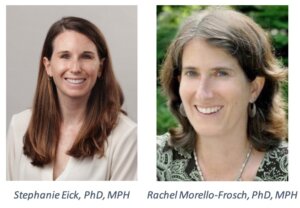
Oxidative stress, a process that can trigger cell damage, may contribute to poor prenatal health outcomes. “Previous research on this topic has involved fairly small, primarily White populations, which is not reflective of diversity in the U.S.,” said Stephanie Eick, PhD, MPH, an ECHO Program investigator at Emory University’s School of Public Health.

This study examined data from 1,916 racially, ethnically, and demographically diverse pregnant women from four ECHO cohorts across the U.S. and Puerto Rico. Researchers used urine samples collected during the second and third trimesters of pregnancy to measure oxidative stress biomarkers and evaluate any links between those biomarkers and preterm birth.

The researchers found a strong association between higher levels of oxidative stress biomarkers and preterm birth, particularly for participants who experienced sudden, unexpected preterm birth or preterm birth that occurred prior to 34 weeks. Further research is needed to understand the chemical mechanisms behind this association and identify the risk factors that contribute to high oxidative stress during pregnancy.

Dr. Eick and Rachel Morello-Frosch, PhD, MPH an ECHO Program investigator at the University of California, Berkeley, led this collaborative research published in the American Journal of Obstetrics and Gynecology.

Eick, S. et al. A pooled analysis of four birth cohorts examining urinary oxidative stress biomarkers and preterm birth. American Journal of Obstetrics and Gynecology. DOI:10.1016/j.ajog.2022.11.1282.

###

About ECHO: ECHO is a nationwide research program supported by the NIH. Launched in 2016, ECHO aims to enhance the health of children for generations to come. ECHO investigators study the effects of a broad range of early environmental influences on child health and development. For more information, visit echochildren.org.

About the NIH: NIH, the nation’s medical research agency, includes 27 Institutes and Centers and is a component of the U.S. Department of Health and Human Services. NIH is the primary federal agency conducting and supporting basic, clinical, and translational medical research, and is investigating the causes, treatments, and cures for both common and rare diseases. For more information, visit www.nih.gov.

Media Contacts

For information or to request an interview, contact Rebekah Yeager,  rebekah.yeager@nih.gov.

If you are not a member of the media, but have a general inquiry, please contact  NIHKidsandEnvironment@od.nih.gov.

Connect With Us

echo connectorCheck out the recent issues of our bi-monthly newsletter, the ECHO Connector, for program news and the latest research findings.

To receive the ECHO Connector through email, subscribe here.

Follow @ECHOChildHealth for the latest ECHO Program updates on Twitter.

New ECHO Study Investigates the Relationship Between a Mother’s Oxidative Stress Levels and Preterm Birth

A collaborative research study led by Stephanie Eick, PhD, MPH of Emory University’s Rollins School of Public Health and Rachel Morello-Frosch PhD, MPH of the University of California, Berkeley found an association between elevated levels of oxidative stress and higher risk of preterm birth. This study examined data from 1,916 racially, ethnically, and demographically diverse pregnant participants from four ECHO cohorts across the United States and Puerto Rico. This research titled, “A pooled analysis of four birth cohorts examining urinary oxidative stress biomarkers and preterm birth,” is published in the American Journal of Obstetrics and Gynecology.

Oxidative stress is a process that can trigger cell damage and may contribute to poor prenatal health outcomes. “This is the largest study to date looking at the relationship between oxidative stress and preterm birth,” said Dr. Eick. “Previous research on this topic has involved fairly small, primarily White populations, which is not reflective of diversity in the US.”

The researchers measured oxidative stress biomarkers in urine samples from participants collected during the second and third trimesters of pregnancy. Then, they calculated the association between the oxidative stress biomarkers concentration for each participant and all preterm births (delivery prior to 37 weeks).

Results from this study showed a strong association between higher levels of oxidative stress biomarkers and preterm birth.  This association was particularly true for participants who experienced preterm birth that was sudden and unexpected or occurred prior to 34 weeks.

Future research will investigate how the chemicals involved in oxidative stress may lead to preterm birth and identify what risk factors lead to higher oxidative stress during pregnancy.

Read the research summary.

ECHO Researchers Investigate How Changes in Family Situations Due to the COVID-19 Pandemic are Linked to Children’s Behaviors

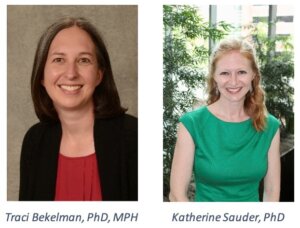
Collaborative ECHO research led by Traci Bekelman, PhD, MPH and Katherine Sauder, PhD of the University of Colorado, Anschutz Medical Campus, investigates whether parents’ coping strategies, stress, and financial strain affected their children’s health behaviors during the first seven months of the COVID-19 pandemic. The researchers found that children with parents who were able to change their work schedules to care for their children during the pandemic had less screen time and slept longer at night, while children with parents who were unable to adjust their work schedules due to stress about money and access to food drank more sugary drinks, were less active, and slept less at night. This research, titled “Sociodemographic Variation in Children’s Health Behaviors During the COVID-19 Pandemic,” is published in Childhood Obesity.

This study included 3,315 children between 3 and 17 years old from 50 ECHO cohorts across the United States. Parents answered questions about their child’s diet, physical activity, screen time, and sleep during the first seven months of the COVID-19 pandemic. Additionally, the parents reported how they personally coped with the pandemic and what their largest sources of stress was.

The COVID-19 pandemic significantly changed many families’ routines and financial situations, causing an increase in parents’ stress and affecting children’s diet, physical activity, and sleep behaviors. “Parents stressed about money may need additional resources to help their children to eat healthier, increase their physical activity and sleep, and decrease their screen time,” said Dr. Bekelman. “Going forward, we will continue to look at how financial stress and parents’ work schedules affect children’s health behaviors to help guide the design of future interventions that can encourage healthy behaviors among children, especially during stressful times like a pandemic.”

Read the research summary.