


NIH Program Study Finds Life Changes During the COVID-19 Pandemic Contribute to Mothers’ Traumatic Stress

FOR IMMEDIATE RELEASE
 

Mothers who experienced more life changes during the pandemic reported more symptoms of traumatic stress, according to a new study funded by the Environmental influences on Child Health Outcomes Program (ECHO) at the National Institutes of Health.

Mothers with higher incomes and higher education tended to experience more changes and reported more symptoms of traumatic stress. Additionally, these mothers were more likely to report financial concerns as a cause of that stress.

“Our study found that mothers who had the most changes to their work, health, and social support systems also reported the highest amount of traumatic stress due to the pandemic,” said Tracy Bastain, PhD, MPH, an ECHO Program investigator from the University of Southern California.

This study included 11,473 mothers from 62 ECHO cohorts across the U.S. and Puerto Rico and investigated the potential impacts of the COVID-19 pandemic on maternal mental health from April 2020 through August 2021. ECHO researchers examined patterns of pandemic-associated changes in maternal health and health behaviors, healthcare visits, work and finances, and coping strategies. The researchers used cluster analysis to group the mothers based on their pandemic experiences and then examined whether these groups reported higher or lower symptoms of traumatic stress related to the pandemic.

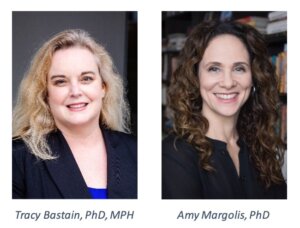
Dr. Bastain and Amy Margolis, PhD, an ECHO Program investigator from Columbia University, led this collaborative research published in JAMA Network Open.

Bastain, T. et al. COVID-19 Pandemic Experiences and Symptoms of Pandemic-Associated Traumatic Stress Among Mothers in the US. JAMA Network Open. DOI:10.1001/jamanetworkopen.2022.47330

###

About ECHO: ECHO is a nationwide research program supported by the NIH. Launched in 2016, ECHO aims to enhance the health of children for generations to come. ECHO investigators study the effects of a broad range of early environmental influences on child health and development. For more information, visit echochildren.org.

About the NIH: NIH, the nation’s medical research agency, includes 27 Institutes and Centers and is a component of the U.S. Department of Health and Human Services. NIH is the primary federal agency conducting and supporting basic, clinical, and translational medical research, and is investigating the causes, treatments, and cures for both common and rare diseases. For more information, visit www.nih.gov.

Media Contacts

For information or to request an interview, contact Rebekah Yeager,  rebekah.yeager@nih.gov.

If you are not a member of the media, but have a general inquiry, please contact  NIHKidsandEnvironment@od.nih.gov.

Connect With Us

echo connectorCheck out the recent issues of our bi-monthly newsletter, the ECHO Connector, for program news and the latest research findings.

To receive the ECHO Connector through email, subscribe here.

Follow @ECHOChildHealth for the latest ECHO Program updates on Twitter.

Mothers Who Experience More Life Changes Due to the COVID-19 Pandemic Reported More Symptoms of Traumatic Stress

<< Back to Research Summaries

Mothers Who Experience More Life Changes Due to the COVID-19 Pandemic Reported More Symptoms of Traumatic Stress

Authors: Tracy Bastain, Amy Margolis, et al.


Who sponsored this study?

The Environmental influences on Child Health Outcomes (ECHO) Program, Office of The Director, National Institutes of Health supported this research.


What were the study results?

The study identified two groups of mothers based on their pandemic experiences. One of these groups experienced more changes to their daily life routines, more isolation from friends and family, and more changes to their health behaviors, when compared to the other group who experienced fewer pandemic-related changes in their lives.

Mothers who reported more life changes also reported more symptoms of traumatic stress due to the pandemic. The mothers who fell into the group that experienced more changes and reported more symptoms of traumatic stress tended to be women with higher incomes and higher education. Sixty-six percent of the women in the high change group were white. The women in the high change group were more likely to report financial concerns as a cause of stress. They were also more likely to report that the pandemic affected their healthcare.

In contrast, the group that reported fewer changes tended to have lower education and lower income. The women in this group were primarily Black and Native American. Hispanic women were split evenly between the two groups.

Both groups reported similar rates of COVID-19 infection in the household and similar work changes.


Footnote: Results reported here are for a single study. Other or future studies may provide new information or different results. You should not make changes to your health without first consulting your healthcare professional.


Impact

As compared to fathers, during the COVID-19 pandemic more mothers have been affected by job and income losses, taken on more childcare burdens related to remote schooling, and have made major adjustments to their daily routines. This study found that mothers who had the most changes to their work, health, and social support systems also reported the highest amounts of traumatic stress due to the pandemic. These findings suggest that the association between sociodemographic, stressful life events, and mental health should be considered in future studies examining the long-term outcomes of the COVID-19 pandemic.


Why was this study needed?

The goal of this study was to better understand the mental health impacts of the COVID-19 pandemic on mothers in the United States and Puerto Rico.


Who was involved?

This study included 11,473 mothers from 62 ECHO cohorts across the U.S. and Puerto Rico.


What happened during the study?

ECHO researchers investigated the potential impacts of the COVID-19 pandemic on maternal mental health, from April 2020 through August 2021. The researchers looked for patterns of pandemic-related changes in maternal health and health behaviors, healthcare visits, work and finances, and coping strategies. They then used these data to group the mothers by those who had more or fewer pandemic-related changes to examine whether these groups reported higher or lower symptoms of traumatic stress related to the pandemic.


What happens next?

Future studies could examine how changes over the course of the pandemic affect mothers’ stress and well-being.


Where can I learn more?

Access the full journal article, titled “COVID-19 Pandemic Experiences and Symptoms of Pandemic-Associated Traumatic Stress Among Mothers in the US,” in JAMA Network Open.


The content is the responsibility of the authors and does not necessarily represent the official views of the National Institutes of Health.

Published December 16, 2022


Access the associated article.

Read More Research Summaries about COVID

Changes in children sleep habits during the COVID-19 pandemic

Authors: Maristella Lucchini, et al.


Changes in Body Mass Index (BMI) during the COVID-19 Pandemic

Authors: Emily Knapp, Aruna Chandran, et al.


Youth Well-being During COVID-19

Author(s): Courtney K. Blackwell, et al.

ECHO Researchers Investigate the Mental Health Effects of Life Changes Related to the COVID-19 Pandemic

Collaborative ECHO research led by Tracy Bastain, PhD, MPH of the University of Southern California and Amy Margolis, PhD of Columbia University, investigates the mental health impacts of the COVID-19 pandemic on mothers in the United States. The study found that mothers who reported more life changes during the pandemic also reported more symptoms of traumatic stress. This research, titled “COVID-19 Pandemic Experiences and Symptoms of Pandemic-Associated Traumatic Stress Among Mothers in the US,” is published in JAMA Network Open.

This study included 11,473 mothers from 62 ECHO cohorts across the U.S. and Puerto Rico and investigated the potential impacts of the COVID-19 pandemic on maternal mental health from April 2020 through August 2021.  ECHO researchers examined patterns of pandemic-associated changes in maternal health and health behaviors, healthcare visits, work and finances, and coping strategies. The researchers used cluster analysis to group the mothers based on their pandemic experiences and then examined whether these groups reported higher or lower symptoms of traumatic stress related to the pandemic.

“As compared to fathers, during the COVID-19 pandemic more mothers have been affected by job and income losses, taken on more childcare burdens related to remote schooling, and have made major adjustments to their daily routines,” said Dr. Margolis.

The mothers who fell into the group that experienced more changes and reported more symptoms of traumatic stress tended to be women with higher incomes and higher education, and these women were more likely to report financial concerns as a cause of that stress. In contrast, mothers who had lower education and lower income were more likely to report fewer pandemic-related changes.

“Our study found that mothers who had the most changes to their work, health, and social support systems also reported the highest amount of traumatic stress due to the pandemic,” said Dr. Bastain.

The study results suggest that the association between sociodemographic, stressful life events and mental health should be considered in future studies examining the long-term outcomes of the COVID-19 pandemic. Future research could examine how changes over the course of the pandemic affect mothers’ stress and well-being.

Read the research summary.

ECHO Study Suggests Oxidative Stress Contributes to Mother’s Risk for Preterm Birth

<< Back to Research Summaries

ECHO Study Suggests Oxidative Stress Contributes to Mother's Risk for Preterm Birth

Authors: Stephanie Eick, Rachel Morello-Frosch, et al.


Who sponsored this study?

Research reported in this publication was supported by the Environmental influences on Child Health Outcomes (ECHO) Program, Office of The Director, National Institutes of Health (NIH).


What were the study results?

Pregnant participants who had higher levels of oxidative stress biomarkers during pregnancy were more likely to deliver preterm babies. This association was stronger for participants who experienced preterm birth that was sudden and unexpected or occurred prior to 34 weeks.

Footnote: Results reported here are for a single study. Other or future studies may provide new information or different results. You should not make changes to your health without first consulting your healthcare professional.


What was the study's impact?

This study is the largest to date to look at the relationship between oxidative stress and preterm birth.

The study included a large group of racially, ethnically, and demographically diverse pregnant participants from across the mainland United States and Puerto Rico. The results from this study support prior findings that oxidative stress is higher among pregnant women who deliver preterm. The methods used in this study may help doctors identify pregnant women who may be at risk for preterm birth and plan targeted interventions.


Why was this study needed?

Oxidative stress is a process that can trigger cell damage and can play a role in the development of some diseases. Previous research has shown that oxidative stress in pregnant women may be linked to preterm birth. However, prior studies on this topic have involved small, primarily White populations, which does not reflect the diversity in the United States.


Who was involved?

This study involved 1,916 pregnant participants in the United States and Puerto Rico who were enrolled in one of four ECHO cohorts.


What happened during the study?

The researchers measured the levels of oxidative stress biomarkers from urine samples collected from participants during the second and third trimesters of pregnancy. They used these measurements to determine whether levels of oxidative stress were higher among participants who delivered their babies before 37 weeks (preterm birth).


What happens next?

Next, the researchers will study how exposure to environmental chemicals may lead to an increase in oxidative stress, ultimately leading to preterm birth. Future research will also identify what risk factors lead to higher oxidative stress during pregnancy.


Where can I learn more?

Access the full journal article, titled “A pooled analysis of four birth cohorts examining urinary oxidative stress biomarkers and preterm birth” in the American Journal of Obstetrics and Gynecology.


The content is the responsibility of the authors and does not necessarily represent the official views of the National Institutes of Health.

Published November 15, 2022

Access the associated article.

Read More Research Summaries

Studying the Effects of Preterm Birth and Environmental Exposures on Child Health Outcomes

Authors: Michael O’Shea, Monica McGrath, Judy Aschner, Barry Lester, et al.

Effects of Metal Mixture Exposure During Pregnancy on Fetal Growth

Authors: Caitlin Howe, Margaret R. Karagas, et al.

Exposures to environmental chemicals and their effect on important molecules during pregnancy

Author(s): Brett T. Doherty, et al.

How Chemical Exposures in Pregnancy Affect Gene Changes in the Placenta

Author(s): Alison Paquette, Sheela Sathyanarayana, MD, MPH, et al.

How Environmental Exposures Affect Child Health Across Multiple Generations

Author(s): Carrie Breton, et al.

Do chemicals that break down slowly in the environment affect how long it takes to become pregnant?  

Author(s): Linda Kahn, Alison Hipwell, Kim Harley, Pam Factor-Litvak, Michele Klein-Fedyshin, Christine Porucznik, Eva Siegel, Yeyi Zhu

A review of studies that look at whether exposure to common non-persistent chemicals in consumer products delays the time it takes to become pregnant

Author(s): Alison E. Hipwell, Linda G. Kahn, Pam Factor-Litvak, et al

During the Pandemic, Children Whose Parents Had Flexible Work Schedules and More Financial Security Were More Likely to Have Less Screen Time and More Sleep

<< Back to Research Summaries

During the Pandemic, Children Whose Parents Had Flexible Work Schedules and More Financial Security Were More Likely to Have Less Screen Time and More Sleep

Authors: Traci Bekelman, Katherine Sauder, et al.


Who sponsored this study?

This research was supported by the Environmental influences on Child Health Outcomes (ECHO) Program, Office of The Director, National Institutes of Health.


What were the study results?

Children with parents who were able to change their work schedule to care for their children during the pandemic had less screen time and slept longer at night. Children with parents who were stressed about money and access to food and therefore unable to change their work schedule, drank more sugary drinks, were less active, and slept less at night. Similar to pre-pandemic study results, what children ate and their level of physical activity differed by their age and sex.

Footnote: Results reported here are for a single study. Other or future studies may provide new information or different results. You should not make changes to your health without first consulting your healthcare professional.


What was the study's impact?

This study shows how children’s diet, physical activity, and sleep behaviors during the pandemic were linked to the work schedules and stress of their parents. Parents stressed about money may need help getting their kids to be more active, eat better, use technology less, and sleep more.


Why was this study needed?

The COVID-19 pandemic changed family habits and financial situations for many. ECHO researchers wanted to know how parents' coping strategies, stress, and financial situations affected their children’s health behaviors during the first seven months of the pandemic.


Who was involved?

This study included 3,315 children between 3 and 17 years from 50 ECHO cohorts across the United States. Information about the children’s sex, age, race, and ethnicity were reported by a parent or found in their medical records.


What happened during the study?

Parents answered questions about their child’s diet, physical activity, screen time, and sleep during the first seven months of the COVID-19 pandemic. The parents also described how they were personally coping with the pandemic and what they were most stressed about.


What happens next?

ECHO researchers will continue to look at how financial stress and parents’ work schedules affect children’s health behaviors. This will help guide future strategies to encourage healthy behaviors among children even during stressful times like a pandemic.


Where can I learn more?

Access the full journal article, titled “Sociodemographic Variation in Children's Health Behaviors During the COVID-19 Pandemic,” in Childhood Obesity.


The content is the responsibility of the authors and does not necessarily represent the official views of the National Institutes of Health.

Published July 19, 2022


Access the associated article.

ECHO Researchers Report Higher Levels of Oxidative Stress among Socioeconomically Disadvantaged Pregnant Women

A collaborative research effort led by Stephanie Eick, PhD, MPH of Emory University’s Rollins School of Public Health and Rachel Morello-Frosch PhD, MPH of the University of California, Berkeley investigated the relationship between various biological, behavioral, and social factors and higher levels of oxidative stress in pregnant women, which is often associated with poor prenatal health outcomes. Pregnant participants who were 30+ years old and had a college degree had lower levels of oxidative stress. In contrast, levels of oxidative stress were higher among pregnant participants who were overweight or obese, or unmarried. Levels of oxidative stress biomarkers were also higher among pregnant participants who were current smokers or had less than a high school education.


This research, titled “Associations between social, biologic, and behavioral factors and biomarkers of oxidative stress during pregnancy: Findings from four ECHO cohorts,” is published in Science of the Total Environment.

To measure oxidative stress, the researchers collected urine samples from approximately 2,000 pregnant participants in the mainland United States and Puerto Rico who were enrolled in one of four ECHO cohorts. They measured the levels of oxidative stress biomarkers at up to three time points during pregnancy and calculated the association between biomarker levels and biological, behavioral, and social factors. Maternal age, pre-pregnancy body mass index, marital/partnered status, parity, and smoking status were included as biological and behavioral factors while race/ethnicity, maternal education, and stressful life events were considered social factors.

“This is the largest study to date to examine the relationship between biologic, social, and behavioral factors and oxidative stress during pregnancy,” said Dr. Eick. “Our results provide important clues into how social and economic inequalities lead to poor health in pregnant women.” This study may also inform future studies looking at risk factors for preterm birth.

As for ongoing research, the team is examining the impact of oxidative stress on adverse pregnancy outcomes, such as preterm birth.

Read the Research Summary.

ECHO Study Identifies Biological, Behavioral, and Social Factors Affecting Pregnancy Health

<< Back to Research Summaries

ECHO Study Identifies Biological, Behavioral, and Social Factors Affecting Pregnancy Health

Authors: Stephanie Eick, Rachel Morello-Frosch, et al.


Who sponsored this study?

This research was supported by the Environmental influences on Child Health Outcomes (ECHO) program, Office of The Director, National Institutes of Health.


What were the study results?

Pregnant participants who were over 30 years old and had a college degree had lower levels of oxidative stress. Levels of oxidative stress were higher among pregnant participants who were overweight or obese and unmarried. Also, current smokers or those with less than a high school education had higher levels of a oxidative stress biomarker. These results help identify how social, biologic, and behavioral factors may contribute to poor health in mothers and children.


Footnote: Results reported here are for a single study. Other or future studies may provide new information or different results. You should not make changes to your health without first consulting your healthcare professional.


What was the study's impact?

This is the largest study to date looking at the relationship between biological, social, and behavioral factors and oxidative stress during pregnancy. The results of this study provide important clues into how socioeconomic inequalities can contribute to poor health in pregnant women. This study may also inform future studies looking at risk factors for preterm birth.


Why was this study needed?

There is little data on what can cause oxidative stress during pregnancy. Oxidative stress is a process that can trigger cell damage and it is thought to play a role in the development of some diseases. By identifying biological, behavioral, and socioeconomic factors in a mother’s day-to-day life that may lead to increased risk for oxidative stress, research can help inform the development of targeted strategies for the prevention of poor prenatal health outcomes.


Who was involved?

This study involved approximately 2,000 pregnant participants in the mainland United States and Puerto Rico who were enrolled in one of four ECHO cohorts.


What happened during the study?

Researchers collected urine samples from participants and measured the levels of biomarkers for oxidative stress. Researchers calculated how levels of oxidative stress biomarkers changed in response to biological, behavioral, and social factors. Maternal age, pre-pregnancy body mass index, marital/partnered status, parity, and smoking status were included as biological and behavioral factors while race/ethnicity, maternal education, and stressful life events were considered social factors.


What happens next?

The research team is examining the impact of oxidative stress on adverse pregnancy outcomes, such as preterm birth.


Where can I learn more?

The full journal article, titled “Associations between social, biologic, and behavioral factors and biomarkers of oxidative stress during pregnancy: Findings from four ECHO cohorts” is published in Science of the Total Environment.


The content is the responsibility of the authors and does not necessarily represent the official views of the National Institutes of Health.

Published April 29, 2022

Access the associated article.

Read More Research Summaries

Study Reveals Rising Levels of Plastics, Pesticides, and Replacement Chemicals in Pregnant Women

Author(s): Jessie P. Buckley, Tracey J. Woodruff, et al.

Effects of Metal Mixture Exposure During Pregnancy on Fetal Growth

Authors: Caitlin Howe, Margaret R. Karagas, et al.

Exposures to environmental chemicals and their effect on important molecules during pregnancy

Author(s): Brett T. Doherty, Megan E. Romano, et al.

Do chemicals that break down slowly in the environment affect how long it takes to become pregnant?  

Author(s): Linda Kahn, Alison Hipwell, Kim Harley, Pam Factor-Litvak, Michele Klein-Fedyshin, Christine Porucznik, Eva Siegel, Yeyi Zhu

A review of studies that look at whether exposure to common non-persistent chemicals in consumer products delays the time it takes to become pregnant

Author(s): Alison E. Hipwell, Linda G. Kahn, Pam Factor-Litvak, et al

NIH Program Study Links COVID-19 Pandemic Hardships to Child Life Satisfaction

FOR IMMEDIATE RELEASE


Courtney K. Blackwell, PhD

Families who faced more hardships related to the COVID-19 pandemic had higher levels of both caregiver and child stress and lower child life satisfaction, according to a new National Institutes of Health (NIH)-funded study. However, being more socially connected and engaged with family promoted life satisfaction for children of all ages.

The study included more than 1,600 families from 30 U.S. states. For younger children, family engagement decreased the negative effect of COVID-19 pandemic-related stress on life satisfaction. For adolescents, pre-existing anxiety and/or depression increased their risk for lower life satisfaction during the COVID-19 pandemic.

Courtney K. Blackwell, Ph.D. of Northwestern University, an investigator in the NIH Environmental influences on Child Health Outcomes (ECHO) Program, led this collaborative research effort. The article, titled “Youth well-being during the COVID-19 pandemic,” is published in Pediatrics.

The researchers used survey data from 14 ECHO cohorts across the U.S. to evaluate the impact of COVID-19 pandemic-related family hardships on caregiver and child stress, and understand how stress, social connection, family engagement, and pre-existing mental health conditions affect children’s life satisfaction.

“The findings demonstrate ways families can cope with adverse events and promote their children’s well-being through family engagement and fostering peer social connectedness,” Blackwell said. “They also show that stress and well-being are not direct opposites, suggesting the need for future interventions that target both decreasing children’s stress and improving their well-being.”

Blackwell, C. et al. Youth well-being during the COVID-19 pandemic. Pediatrics. DOI 10.1542/peds.2021-054754 (2022)

###

About ECHO: ECHO is a nationwide research program supported by the NIH. Launched in 2016, ECHO aims to enhance the health of children for generations to come. ECHO investigators study the effects of a broad range of early environmental influences on child health and development. The program consists of two major components, including 69 existing and ongoing observational study cohorts and a pediatric clinical trials network. For more information, visit echochildren.org.

About the NIH: NIH, the nation’s medical research agency, includes 27 Institutes and Centers and is a component of the U.S. Department of Health and Human Services. NIH is the primary federal agency conducting and supporting basic, clinical, and translational medical research, and is investigating the causes, treatments, and cures for both common and rare diseases. For more information about NIH and its programs, visit www.nih.gov.

Media Contacts

For information or to request an interview, contact Rebekah Yeager,  rebekah.yeager@nih.gov.

If you are not a member of the media, but have a general inquiry, please contact  NIHKidsandEnvironment@od.nih.gov.

Connect With Us

echo connectorCheck out the recent issues of our bi-monthly newsletter, the ECHO Connector, for program news and the latest research findings.

To receive the ECHO Connector through email, subscribe here.

Follow @ECHOChildHealth for the latest ECHO Program updates on Twitter.

ECHO Researchers Investigate Youth Well-being During Covid-19

Courtney K. Blackwell, PhD

Between May 2020 and May 2021, ECHO conducted collaborative research led by Person Reported Outcomes (PRO) Core investigator Courtney K. Blackwell, PhD of Northwestern University to investigate COVID-19 pandemic-related family hardships associated with child stress and well-being. This research, titled “Youth well-being during the COVID-19 pandemic,” is published in Pediatrics.

The results of this study demonstrated that families who faced more hardships related to the COVID-19 pandemic had higher levels of both caregiver and child stress and lower child life satisfaction. However, being more socially connected to peers and engaging in family activities led to higher life satisfaction overall. The researchers found that for younger children, family engagement decreased the negative effect of COVID-19 pandemic-related stress on their life satisfaction. For adolescents, pre-existing anxiety and/or depression increased their risk for lower life satisfaction during the COVID-19 pandemic.

During the COVID-19 pandemic, families have faced hardships and interruptions to their daily lives. These disruptions are likely to have a lasting effect on the well-being of children, but the extent of this effect is still unknown. Additionally, little is known about how families can protect their children from COVID-19 pandemic-related stress and promote their positive mental health.

To conduct this research, Dr. Blackwell and her team surveyed more than 1,600 families from 30 US states about their COVID-19 pandemic experience. This study included both parent-reported surveys on children aged 2-12 years and self-reported surveys on adolescents aged 11-17 years. The researchers used survey data from 14 ECHO cohorts across the US to evaluate how COVID-19 pandemic-related family hardships have affected caregiver and child stress, and how stress, social connection, family engagement, and pre-existing mental health conditions have affected children’s life satisfaction.

The study findings demonstrate some of the varied ways that families can cope with adverse events and promote their children’s well-being through family engagement and fostering peer social connectedness. “This study also showed that stress and well-being are not direct opposites,” said Dr. Blackwell, “suggesting the need for future interventions that target both decreasing children’s stress and improving their well-being rather than one or the other.”

The next steps for this research include focusing in on specific COVID-19-related family hardships in order to identify the hardships that contribute the most to child stress and develop targeted strategies for improving child well-being.

Read the research summary.

ECHO Researchers Develop a Shorter Survey for Evaluating Sources of Stress in Adults

Phillip Sherlock, PhD

Through a collaborative effort led by Phillip Sherlock, PhD from Northwestern University, an ECHO research team developed a short-form version of the Crisis in Family Systems-Revised (CRISYS-R) questionnaire for evaluating the sources of stress that adults experience. The study found that the revised 24-question survey (CRISYS-SF) covered the same 11 areas of stress the 80-question CRISYS-R addressed and yielded very similar scores. The article, titled “A short form of the Crisis in Family Systems (CRISYS) in a racially diverse sample of pregnant women,” is published in Current Psychology.

The researchers interviewed 884 pregnant women in the PRogramming of Intergenerational Stress Mechanisms (PRISM) study from New York City and Boston. About 20% of these women spoke Spanish as their primary language, 20% had less than a high school education, and 60% reported having some degree of financial trouble. The participants answered all 80 of the CRISYS-R questions, and the researchers used statistical methods and expert input to identify which questions were the most useful for measuring stress.

Growing evidence suggests that exposure to stress can affect a patient’s overall health. The CRISYS-SF is a convenient method for doctors and researchers to more easily screen for participant stress, identify the sources of that stress, and plan effective interventions.

“Factors including questionnaire length contribute to participant burden,” said Dr. Sherlock, “and this burden can contribute to reduced response rate, incomplete data, and reduced data quality in clinical studies.” Future research into the effects of stress on specific health outcomes will benefit from the use of the CRISYS-SF questionnaire to gather reliable, high quality data on participant stress.

Read the Research Summary.