



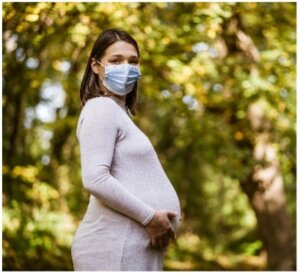
 ECHO researchers Catherine Monk, PhD and Johnnye Lewis, PhD, as well as Program Director Matt Gillman, MD, were recently featured in an article regarding perinatal stress during the pandemic and its effects on babies. Featured in Undark.org, a non-profit digital magazine that explores the intersection of society and science, the article references previous studies regarding in-utero stress, including Dr. Monk’s 2016 study on stress and the effect of excess cortisol being passed via the placenta to the fetus.
Monk and her team hypothesized that high levels of stress passed on to the fetus would cause changes to the expression of a fetal gene responsible for deactivating, or neutralizing, cortisol in the body. This was the first study to link pregnant women’s stress with changes in placental genes.
In addition to extreme stress during pregnancy, Monk notes that another factor that may affect the fetus is climate change, which “is affecting the air their mothers breathe while they’re pregnant, and it’s going to be affecting their development in so many ways, and the quality of their lives in the future,” Dr. Monk said.
Additionally, the article highlights Dr. Lewis’s efforts as founder and director of the Community Environmental Health Program at University of New Mexico’s College of Pharmacy, as well as her collaborative ECHO work comparing how stressors related to the COVID-19 pandemic may affect mental health and neurodevelopment among Indigenous, Black, and White communities.
“The beauty of ECHO is it lets us compare across several different populations,” Dr. Lewis said. Based on a preliminary review of Lewis’s data, Black and Indigenous communities surveyed reported more pandemic-related stressors in comparison to a rural white community. This may suggest poorer outcomes for these populations due to the complex relationship linking stress to disease, behavioral health, and neurodevelopmental problems.
Regarding the news that stress plays a large role in the development of fetuses and newborns, Gillman stresses the importance of early intervention. “If you can do interventions early when systems and organs are most plastic, then it’s easier,” he said.