



Prenatal Depression May Be Linked to Autism-Related Traits in Children

<< Back to Research Summaries

Prenatal Depression May Be Linked to Autism-Related Traits in Children

Authors: Lyndsay A. Avalos, Lisa A. Croen, et al.


Who sponsored this study?

The Environmental influences on Child Health Outcomes (ECHO) Program, Office of The Director, National Institutes of Health supported this research.


Why was this study needed?

Previous research suggests an association between prenatal depression or a history of depression prior to pregnancy and autism spectrum disorder (ASD) in children, but most studies have focused on a formal ASD diagnosis, rather than autism-related traits. Studying social communication and other autism-related traits can help researchers and clinicians understand how prenatal depression may be associated with these traits present in children at varying levels without a formal diagnosis. This is critical because autism‑related traits can impact children’s physical, social, and psychological development, regardless of whether they receive a clinical diagnosis.


What were the study results?

Children of mothers with prenatal depression had slightly more autism-related traits compared to those without. The association was similar among boys and girls. Prenatal depression also increased the likelihood of moderate to severe autism-related traits, indicating a higher likelihood of ASD diagnosis.

Footnote: Results reported here are for a single study. Other or future studies may provide new information or different results. You should not make changes to your health without first consulting your healthcare professional.


What was the study's impact?

This study adds to the understanding of how prenatal depression may be associated with neurodevelopment in children, such as social communication and behavioral characteristics that may not reach a clinical threshold but can still impact a child’s social and behavioral functioning. These findings highlight the need for early ASD screening for children whose parents had prenatal depression to promote early intervention and support their healthy development. Mental health screening and prevention efforts for depression in pregnant individuals could also be beneficial.


Who was involved?

The study involved 33 prenatal and pediatric research sites with information on depression in birth parents and autism-related traits in children. The primary analysis included 3,994 parent-child pairs with prenatal depression diagnosis data; a secondary analysis included 1,730 parent-child pairs with depression severity data.


What happened during the study?

Researchers measured the incidence and severity of prenatal depression and assessed autism-related traits using the Social Responsiveness Scale (SRS) for children up to 12 years of age.


What happens next?

While this study didn’t explore the reason for the association between autism-related traits in children and prenatal depression in mothers, future research may analyze parent and child genetic data to clarify whether certain genes increase the likelihood of depression and autism-related traits, or what other factors affect the findings.


Where can I learn more?

Access the full journal article, titled “Prenatal Depression and Risk of Child Autism-Related Traits Among Participants in the Environmental influences On Child Health Outcomes Program,” in Autism Research.


The content is the responsibility of the authors and does not necessarily represent the official views of the National Institutes of Health.

Published August 1, 2023

 

Access the associated article.

Shortened Social Responsiveness Scale (SRS) Observed to be Comparable to Full SRS in Autism Risk Factor Estimation

<< Back to Research Summaries

Shortened Social Responsiveness Scale (SRS) Observed to be Comparable to Full SRS in Autism Risk Factor Estimation

Authors: Marisa Patti, Kristen Lyall, et al.


Who sponsored this study?

The Environmental influences on Child Health Outcomes (ECHO) Program, Office of the Director, National Institutes of Health supported this research.


Why was this study needed?

The Social Responsiveness Scale (SRS) is a questionnaire used to measure social communication and autism spectrum disorder (ASD)-related traits. Researchers have developed a shortened version of the SRS, which included only 16 questions out of the original 65. This shortened version is intended to provide a very similar summary of behaviors and traits as the longer version but takes less time to complete.

As a new tool, the short SRS has been previously tested to ensure that it measures autism spectrum-related traits. However, it was not clear prior to this study if the short SRS can measure associations in epidemiologic analyses of autism spectrum risk factors in the same way as the full SRS so that research findings can be comparable across studies using both versions. In other words, do scores from both the short and long versions suggest the same associations? Or does shortening the SRS reduce our ability to detect risk factors due to differences in measurement? In this study, the authors tested associations with an established risk factor for autism diagnosis, preterm birth, or gestational age, to see if patterns were consistent across versions.


What were the study results?

Younger gestational age and preterm birth were associated with higher full SRS scores. The same associations were seen with short SRS scores. These associations are also consistent with associations seen for autism diagnosis, suggesting the ability of both the full and short SRS to detect risk factor associations.

Footnote: Results reported here are for a single study. Other or future studies may provide new information or different results. You should not make changes to your health without first consulting your healthcare professional.


What was the study's impact?

Gathering meaningful information for research studies can be a lengthy and time-consuming process for participants. This study shows that in some studies information collected using shorter assessments can be as useful as that captured using longer assessments, helping to reduce the time participants spend answering questionnaires.


Who was involved?

The study included 2,760 child-parent pairs from 11 different research sites within the ECHO Program. Participating children were between 2.5 and 18 years in age. The study sample included participants from research sites drawn from the general population, pre-term birth research sites, and familial-autism research sites, the last consisting of participants with a child diagnosed with autism.


What happened during the study?

Researchers collected caregiver-reported responses from both the full and shortened SRS. Information on gestational age and pre-term birth were collected from maternal reports on standardized questionnaires and from medical records.


What happens next?

Future studies are needed to investigate how comparable estimates are between the full and short SRS using other types of risk factors, such as genetic factors, and in other study populations. Researchers may also consider using the short SRS in future studies as an efficient measure of social behaviors.


Where can I learn more?

Access the full journal article, titled “A Comparative Analysis of the Full and Short Versions of the Social Responsiveness Scale in Estimating an Established Autism Risk Factor Association in ECHO: Do we Get the Same Estimates?” in the Journal of Autism and Developmental Disorders.


The content is the responsibility of the authors and does not necessarily represent the official views of the National Institutes of Health.

Published July 22, 2023


Access the associated article.

ECHO Researchers Evaluate an Adaptive, Short-form Questionnaire for Measuring Autism-related Traits in Children

Collaborative ECHO research led by Aaron Kaat, PhD of Northwestern University, and Kristen Lyall, ScD of the AJ Drexel Autism Institute evaluates two different versions of the full 65-question Social Responsiveness Scale (SRS) for measuring autism-related traits in preschool and school-age children. This study compared the questions used on each version and developed a comparable scoring method for both forms. Then, the researchers used computer-adaptive testing, where a computer program tailors the questionnaire in real-time to each participant, and found that a median of 14 questions was sufficient to reach a reliable score. This research, titled “Modifying the Social Responsiveness Scale for Adaptive Administration,” is published in Quality of Life Research.
Prior research has developed and examined shortened versions of the SRS questionnaire, but researchers haven’t been able to evaluate the reliability of these questionnaires for capturing broader traits in the general population or for preschool-age participants. This study included over 7,000 children ages 2.5-18 years old, most of whom did not have an autism diagnosis. The researchers conducted several analyses to assess a variety of factors that may affect how the full SRS and shortened versions of the SRS are scored. They were then able to use these data to simulate how computer-adaptive testing would score each individual after completing the minimum number of questions required to reach a comparable result.

“The results of this study suggest opportunities to reduce the amount of time participants need to spend completing questionnaires like the SRS,” said Dr. Lyall. “These results also suggest computer-adaptive questionnaires can be used to collect information in a way that is comparable to standard paper-based questionnaires, offering additional flexibility.”

The researchers are continuing to evaluate the computerized version of the SRS questionnaire developed in this study, comparing it to other versions of the questionnaire. Future research is needed to examine how these different questionnaires perform in different groups of people, and if results differ when captured according to self vs. parent report.

Read the research summary.

Shorter Questionnaire Shown Effective for Measuring Autism-Related Traits in Children

<< Back to Research Summaries

Shorter Questionnaire Shown Effective for Measuring Autism-Related Traits in Children

Authors: Aaron Kaat, Kristen Lyall, et al.


Who sponsored this study?

The Environmental influences on Child Health Outcomes (ECHO) Program, Office of the Director, National Institutes of Health supported this research.


Why was this study needed?

Prior research has developed and examined shortened versions of the SRS questionnaire, but this has been mostly done with school-age participants with autism and their family members. Researchers haven’t been able to evaluate the reliability of shortened versions of the SRS for capturing broader traits in the general population or for preschool-age participants. In addition, prior studies have not developed a shortened version of the questionnaire that uses computer-adaptive testing to select relevant questions based on a participants existing answers.


What were the study results?

The Social Responsiveness Scale (SRS) is frequently used to measure autism-related traits and social impairments. The full 65-question SRS can create more burden for participants, so many researchers have attempted to shorten the questionnaire. In this study, ECHO researchers evaluated the SRS questionnaire across two different versions for preschool and school-age groups, comparing the questions used on each and developing a comparable scoring method for both forms. They then used computer-adaptive testing, where a computer program tailors the questionnaire in real-time to each participant, and found that a median of 14 questions was sufficient to reach a reliable score.


What was the study's impact?

The results of this work suggest opportunities to reduce the amount of time participants spend completing questionnaires like the SRS without sacrificing accuracy. Additionally, the results suggest computer-adaptive questionnaires can be used to evaluate autism-related traits in a way that is comparable to standard fixed questionnaires, improving testing efficiency and reducing participant burden.


Who was involved?

This study included 7,030 children from multiple ECHO research sites and other large studies across the United States. Participants included children ranging from ages 2.5-18 years, most of whom did not have an autism diagnosis.


What happened during the study?

The researchers collected data on the preschool and school-age SRS forms from multiple different sources. They then conducted several analyses to assess a variety of factors that may affect how the full SRS and shortened versions of the SRS are scored. The researchers then used these data to simulate how computer-adaptive testing would score each individual after completing the minimum number of questions required to reach a comparable result.

Footnote: Results reported here are for a single study. Other or future studies may provide new information or different results. You should not make changes to your health without first consulting your healthcare professional.


What happens next?

The researchers’ follow-up analyses to this work compared the computerized version developed in this study to other versions of the questionnaire. Future research is needed to examine how these different questionnaires perform in different groups of people, and if results differ when captured according to self vs parent report.


Where can I learn more?

Access the full journal article, titled “Modifying the Social Responsiveness Scale for Adaptive Administration,” in Quality of Life Research.

The content is the responsibility of the authors and does not necessarily represent the official views of the National Institutes of Health.


Published March 21, 2023


Access the associated article.

Read More Research Summaries about Chemical Exposures and Pregnancy

Exposures to environmental chemicals and their effect on important molecules during pregnancy

Author(s): Brett T. Doherty, Megan E. Romano, et al.

Do chemicals that break down slowly in the environment affect how long it takes to become pregnant?  

Author(s): Linda Kahn, Alison Hipwell, Kim Harley, Pam Factor-Litvak, Michele Klein-Fedyshin, Christine Porucznik, Eva Siegel, Yeyi Zhu

A review of studies that look at whether exposure to common non-persistent chemicals in consumer products delays the time it takes to become pregnant

Author(s): Alison E. Hipwell, Linda G. Kahn, Pam Factor-Litvak, et al

NIH Study Suggests Association Between Mothers’ Experiences of Maltreatment in Their Own Childhood to Their Children’s Health Outcomes

FOR IMMEDIATE RELEASE


Children of mothers who experienced childhood abuse or neglect may have a higher risk for developing asthma, ADHD, autism spectrum disorder, and certain mental health issues, according to a study funded by the Environmental influences on Child Health Outcomes Program (ECHO) at the National Institutes of Health.


This research suggests that a mother’s history of being abused or neglected as a child may increase their child’s risk for developing one or more of these health outcomes at once. Daughters of these mothers may also be more likely to develop obesity, the study found, as compared to sons.

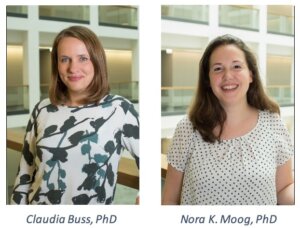
“Asking parents about their childhood experiences during prenatal and pediatric care, identifying parents with a history of childhood abuse or neglect, and offerin­­­­g counseling and support to those parents could help improve health outcomes for their children,” said Claudia Buss, PhD, an ECHO Program investigator at the University of California, Irvine and Charité - Universitätsmedizin Berlin.

The researchers surveyed 4,337 mothers from 21 ECHO cohorts across the U.S. on their childhood experiences. About 44 percent of these mothers reported childhood abuse or neglect. The researchers also collected data on the rates of diagnosis for a number of physical and mental conditions among the children of mothers participating in the study.

Dr. Buss and Nora K. Moog, PhD of Charité - Universitätsmedizin Berlin led this collaborative research published in The Lancet Public Health.

Buss, C. et al. Intergenerational transmission of the consequences of maternal exposure to childhood maltreatment – a United States nationwide observational study of multiple cohorts in the ECHO program. The Lancet Public Health. DOI: 10.1016/S2468-2667(23)00025-7

###

About ECHO: ECHO is a nationwide research program supported by the NIH. Launched in 2016, ECHO aims to enhance the health of children for generations to come. ECHO investigators study the effects of a broad range of early environmental influences on child health and development. For more information, visit echochildren.org.

About the NIH: NIH, the nation’s medical research agency, includes 27 Institutes and Centers and is a component of the U.S. Department of Health and Human Services. NIH is the primary federal agency conducting and supporting basic, clinical, and translational medical research, and is investigating the causes, treatments, and cures for both common and rare diseases. For more information, visit www.nih.gov.

Media Contacts

For information or to request an interview, contact Rebekah Yeager,  rebekah.yeager@nih.gov.

If you are not a member of the media, but have a general inquiry, please contact  NIHKidsandEnvironment@od.nih.gov.

Connect With Us

echo connectorCheck out the recent issues of our bi-monthly newsletter, the ECHO Connector, for program news and the latest research findings.

To receive the ECHO Connector through email, subscribe here.

Follow @ECHOChildHealth for the latest ECHO Program updates on Twitter.

NIH Program Study Links Prenatal Exposure to Perfluorononanoic Acid with Childhood Autism-related Traits

FOR IMMEDIATE RELEASE


Prenatal exposure to perfluorononanoic acid (PFNA), a chemical sometimes found in food or drinking water, is associated with autism-related traits in children, according to a new study funded by the Environmental influences on Child Health Outcomes Program (ECHO) at the National Institutes of Health.
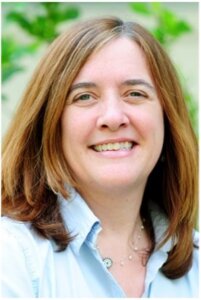
PFNA belongs to a group of chemicals known as per- and polyfluoroalkyl substances (PFAS), which are widely used, long-lasting chemicals known as “forever chemicals” because they do not break down easily and can build up in the body over time. To evaluate the relationship between prenatal exposure to PFAS and autism-related traits during childhood, this study looked at 1,224 mother-child pairs from 10 ECHO cohorts across the United States. The researchers measured the levels of eight different PFAS in blood samples collected from mothers during pregnancy. Later, caregivers reported on their child’s autism-related traits.

“By continuously measuring the development of autism-related traits, we were able to examine whether prenatal PFAS exposure may affect the development of autism-related traits, even when a child does not receive a clinical ASD diagnosis,” said Ghassan Hamra, PhD, an ECHO Program investigator at Johns Hopkins Bloomberg School of Public Health.

“In the U.S., exposures to some specific PFAS, such as PFOA and PFOS, have dropped substantially since the industry voluntarily phased these chemicals out in the early 2000s.  However, other PFAS exposures have increased over time,” said Jennifer Ames, PhD, an ECHO Program investigator at the Kaiser Permanente Northern California Division of Research.

Dr. Ames and Dr. Hamra led this collaborative research published in Epidemiology.

Ames, J. et al. Prenatal exposure to per- and polyfluoroalkyl substances and childhood autism-related outcomes. Epidemiology. DOI: 10.1097/EDE.0000000000001587. 

###

About ECHO: ECHO is a nationwide research program supported by the NIH. Launched in 2016, ECHO aims to enhance the health of children for generations to come. ECHO investigators study the effects of a broad range of early environmental influences on child health and development. For more information, visit echochildren.org.

About the NIH: NIH, the nation’s medical research agency, includes 27 Institutes and Centers and is a component of the U.S. Department of Health and Human Services. NIH is the primary federal agency conducting and supporting basic, clinical, and translational medical research, and is investigating the causes, treatments, and cures for both common and rare diseases. For more information, visit www.nih.gov.

Media Contacts

For information or to request an interview, contact Rebekah Yeager,  rebekah.yeager@nih.gov.

If you are not a member of the media, but have a general inquiry, please contact  NIHKidsandEnvironment@od.nih.gov.

Connect With Us

echo connectorCheck out the recent issues of our bi-monthly newsletter, the ECHO Connector, for program news and the latest research findings.

To receive the ECHO Connector through email, subscribe here.

Follow @ECHOChildHealth for the latest ECHO Program updates on Twitter.

ECHO Researchers Investigate Whether Prenatal Chemical Exposures Affect the Development of Autism-related Traits in Children

Collaborative ECHO research led by Jennifer Ames, PhD of the Kaiser Permanente Northern California Division of Research and Ghassan Hamra, PhD of Johns Hopkins Bloomberg School of Public Health, investigates whether exposures to per- and polyfluoroalkyl substances (PFAS) during pregnancy were associated with the development of autism-related traits in children. The researchers looked at data from 1,224 mother-child pairs and found that prenatal exposure to one specific PFAS chemical, perfluorononanoic acid (PFNA), may be associated with an increase in autism-related traits in children. Prenatal exposure to the mixture of all PFAS chemicals combined was not associated with increased autism-related traits in children. This research, titled “Prenatal exposure to per- and polyfluoroalkyl substances and childhood autism-related outcomes,” is published in Epidemiology.

PFAS are widely used, long lasting chemicals, the components of which break down very slowly over time. Previous studies that have investigated the association between prenatal PFAS exposure and childhood autism spectrum disorder (ASD) have been inconsistent and mostly involved small sample sizes. This study leveraged the large, diverse ECHO-wide cohort to evaluate how prenatal PFAS exposure affects the development autism-related traits, even when a child does not receive a clinical ASD diagnosis.

This study included children born between 2011 and 2018 from 10 racially and ethnically diverse ECHO cohorts across the United States, including one cohort that enrolls children from families with an increased likelihood of ASD. The researchers measured the levels of eight different PFAS in blood samples collected from mothers during pregnancy. Later, when their children were aged 2.5 years or older, researchers asked caregivers to report on their child’s autism-related traits using a questionnaire called the Social Responsiveness Scale (SRS). The research team tracked the associations between these data to examine child SRS scores in relation to each individual PFAS as well as the combination of the PFAS.

“In the U.S. population, exposures to perfluorooctanoic acid (PFOA) and perfluorooctane sulfonate (PFOS) have dropped substantially since the industry voluntarily phased out these chemicals in the early 2000s,” said Dr. Ames. “However, other PFAS exposures have increased over time, including thousands with unknown toxicity. These so-called ‘forever chemicals’ continue to pose risks to health even after they are phased out because they persist in the environment and inside people’s bodies and don’t break down easily.”

These results underscore the need for more research on whether PFAS chemicals might have more significant effects on child neurodevelopment, and whether factors such as genetics, underlying health conditions, or nutritional status may change the effect of PFAS exposure on brain development.

Read the research summary.­­

ECHO Study Suggests Prenatal Exposure to Perfluorononanoic Acid (PFNA) May Be Linked to Autism-Related Traits in Children

<< Back to Research Summaries

ECHO Study Suggests Prenatal Exposure to Perfluorononanoic Acid (PFNA) May Be Linked to Autism-Related Traits in Children

Authors: Jennifer Ames, Ghassan Hamra, et al.


Who sponsored this study?

This research was supported by the Environmental influences on Child Health Outcomes (ECHO) Program, Office of The Director, National Institutes of Health.


What were the study results?

The researchers found that prenatal exposure to one specific PFAS chemical, perfluorononanoic acid (PFNA) may be associated with an increase in autism-related traits in children. Prenatal exposure to the mixture of all PFAS chemicals combined was not associated with increased autism-related traits in children.

Footnote: Results reported here are for a single study. Other or future studies may provide new information or different results. You should not make changes to your health without first consulting your healthcare professional.


What was the study's impact?

This study draws attention to the potential risks of PFAS chemicals on child neurodevelopment.  In the U.S., exposures to some specific PFAS, such as PFOA and PFOS, have dropped substantially since the industry voluntarily phased these chemicals out in the early 2000s. However, other PFAS exposures have increased over time, including thousands of these substances with unknown toxicity. These so-called “forever chemicals” continue to pose risks to health even after they are phased out because they persist in the environment and inside people’s bodies and don’t break down easily. While the estimated effects of PFAS chemicals on child autism-related traits are relatively small in this study, future studies may investigate whether early childhood exposure to PFAS chemicals are associated with effects on other neurodevelopmental outcomes.


Why was this study needed?

Per- and polyfluoroalkyl substances (PFAS) are widely used, long lasting chemicals, the components of which break down very slowly over time. Previous studies looking at associations between prenatal PFAS exposure and childhood autism spectrum disorder (ASD) are inconsistent and mostly conducted in small sample sizes.  The objective of this research was to determine whether blood concentrations of PFAS during pregnancy were linked to the development of autism-related traits in children. The researchers in this study were able to examine this question by continuously measuring the development of autism-related traits in a large number of children across the U.S, independently of whether a child received a clinical ASD diagnosis.


Who was involved?

The participants of this study included 1,224 mother-child pairs from ten cohorts across the United States. The participants were geographically, racially, and ethnically diverse, and one of the cohorts included families with an increased genetic likelihood of ASD. Most of the participating children were born between 2011 and 2018.


What happened during the study?

The researchers measured the levels of eight different PFAS in blood samples collected from mothers during pregnancy. Later, when their children were aged 2.5 years or older, researchers asked caregivers to report on the child’s autism-related traits using a questionnaire called the Social Responsiveness Scale (SRS). The research team tracked the relationship between child SRS scores and prenatal exposure to each individual PFAS as well as the combination of the eight PFAS.


What happens next?

Additional research is needed to continue studying the effect of early life exposure to PFAS on child neurodevelopment, including cognition, attention, and other neurobehaviors.  Future studies can also investigate whether biological sex and other factors—such as genetics, underlying health conditions, and nutritional status—may change the effect of PFAS exposure on brain development.


Where can I learn more?

Access the full journal article, titled “Prenatal exposure to per- and polyfluoroalkyl substances and childhood autism-related outcomes,” in Epidemiology.


The content is the responsibility of the authors and does not necessarily represent the official views of the National Institutes of Health.


Published January 12, 2023


Access the associated article.

See ECHO's PFAS research.

Read More Research Summaries about Chemical Exposures and Pregnancy

Exposures to environmental chemicals and their effect on important molecules during pregnancy

Author(s): Brett T. Doherty, Megan E. Romano, et al.

Do chemicals that break down slowly in the environment affect how long it takes to become pregnant?  

Author(s): Linda Kahn, Alison Hipwell, Kim Harley, Pam Factor-Litvak, Michele Klein-Fedyshin, Christine Porucznik, Eva Siegel, Yeyi Zhu

A review of studies that look at whether exposure to common non-persistent chemicals in consumer products delays the time it takes to become pregnant

Author(s): Alison E. Hipwell, Linda G. Kahn, Pam Factor-Litvak, et al

New ECHO Study Finds Prenatal Antidepressant Use Does Not Increase Risk for Child Autism-related Traits

Patricia Brennen, PhD

Collaborative ECHO research led by Patricia Brennan, PhD of Emory University, investigates whether maternal prenatal antidepressant use affects a child’s risk for autism spectrum disorder (ASD) or autism-related traits. The study included over 3,000 mothers and their children and found no correlation between the use of antidepressants, including selective serotonin reuptake inhibitors (SSRIs), during pregnancy and child autism-related traits. This research, titled “Prenatal Antidepressant Exposures and Autism Spectrum Disorder or Traits: A Retrospective, Multi-Cohort Study,” is published in Research on Child and Adolescent Psychopathology.

Previous research has not offered conclusive findings on the effect of prenatal antidepressants on child autism-related traits. It is important that pregnant women and the physicians that treat them have the data they need to make informed treatment decisions.

For this study, researchers looked at a large sample of mothers and their children from ECHO cohorts across the United States, collecting data on prenatal antidepressant use and autism-related traits when the children were between 1 and 12 years of age. About 5% of the mothers who participated took antidepressants during pregnancy, according to medical records and self-reported measures. Mothers also reported on whether their child received an ASD diagnosis and completed rating scales about their child’s behavior, including social, language, and other autism-related traits.

“Depression is common during pregnancy, and pregnant women and the physicians who treat them must weigh multiple risks when making treatment decisions,” said Dr. Brennan. “This study suggests that the use of antidepressants and SSRIs during pregnancy does not increase a child’s risk for autism-related outcomes.”

Future studies may consider evaluating if the dose or timing of antidepressant use during pregnancy modifies the effect on child health outcomes.

Read the Research Summary.

No Association Between Antidepressant Use During Pregnancy, Child’s Risk for Autism-Related Traits

<< Back to Research Summaries

No Association Between Antidepressant Use During Pregnancy, Child's Risk for Autism-Related Traits

Authors: Patricia Brennan, et al.


Who sponsored this study?

This research was supported by the Environmental influences on Child Health Outcomes (ECHO) Program, Office of The Director, National Institutes of Health.


What were the study results?

This study found that prenatal use of antidepressants, including selective serotonin reuptake inhibitors (SSRIs), did not increase a child’s risk for ASD or related traits.

Footnote: Results reported here are for a single study. Other or future studies may provide new information or different results. You should not make changes to your health without first consulting your healthcare professional.


What was the study's impact?

Pregnant women who are diagnosed with depression must weigh a number of risks when making decisions about treatments. Sometimes medical providers may recommend treatment with antidepressants. This study suggests that maternal use of antidepressants, including SSRIs, during pregnancy does not increase a child’s risk for autism-related traits. This information can be valuable in helping pregnant women and their physicians decide whether antidepressant treatment is right for them.


Why was this study needed?

Previous studies have reported mixed findings on the relationship between prenatal antidepressant use and child autism. Pregnant women and the physicians that treat them need more data to inform their decisions about whether to take certain medications during pregnancy.


Who was involved?

This study included 3,129 mothers and their children enrolled in ECHO cohorts across the United States. Participants provided data on prenatal exposure to antidepressants as well as measures of autism-related traits collected when the child was between 1 and 12 years of age. About 5% of the participating mothers took antidepressants during pregnancy.


What happened during the study?

The researchers used medical records and maternal self-reports to determine what medicines mothers used during pregnancy. Mothers reported on whether their child received an autism spectrum disorder (ASD) diagnosis and also completed rating scales about their child’s behavior, including social, language, and other traits related to autism.


What happens next?

Future studies might consider whether the dose or timing of antidepressant use during pregnancy changes its effect on child health outcomes.


Where can I learn more?

Access the full journal article, titled “Prenatal Antidepressant Exposures and Autism Spectrum Disorder or Traits: A Retrospective, Multi-Cohort Study,” in Research on Child and Adolescent Psychopathology.


The content is the responsibility of the authors and does not necessarily represent the official views of the National Institutes of Health.

Published November 22, 2022

Access the associated article.

Read More Research Summaries about Exposures and Pregnancy

Effects of Metal Mixture Exposure During Pregnancy on Fetal Growth

Authors: Caitlin Howe, Margaret R. Karagas, et al.

Exposures to environmental chemicals and their effect on important molecules during pregnancy

Author(s): Brett T. Doherty, et al.

How Chemical Exposures in Pregnancy Affect Gene Changes in the Placenta

Author(s): Alison Paquette, Sheela Sathyanarayana, MD, MPH, et al.

How Environmental Exposures Affect Child Health Across Multiple Generations

Author(s): Carrie Breton, et al.

Do chemicals that break down slowly in the environment affect how long it takes to become pregnant?  

Author(s): Linda Kahn, Alison Hipwell, Kim Harley, Pam Factor-Litvak, Michele Klein-Fedyshin, Christine Porucznik, Eva Siegel, Yeyi Zhu

A review of studies that look at whether exposure to common non-persistent chemicals in consumer products delays the time it takes to become pregnant

Author(s): Alison E. Hipwell, Linda G. Kahn, Pam Factor-Litvak, et al