




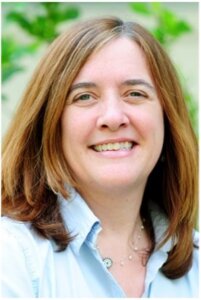
Collaborative ECHO research led by Patricia Brennan, PhD of Emory University, investigates whether maternal prenatal antidepressant use affects a child’s risk for autism spectrum disorder (ASD) or autism-related traits. The study included over 3,000 mothers and their children and found no correlation between the use of antidepressants, including selective serotonin reuptake inhibitors (SSRIs), during pregnancy and child autism-related traits. This research, titled “Prenatal Antidepressant Exposures and Autism Spectrum Disorder or Traits: A Retrospective, Multi-Cohort Study,” is published in Research on Child and Adolescent Psychopathology.
Previous research has not offered conclusive findings on the effect of prenatal antidepressants on child autism-related traits. It is important that pregnant women and the physicians that treat them have the data they need to make informed treatment decisions.
For this study, researchers looked at a large sample of mothers and their children from ECHO cohorts across the United States, collecting data on prenatal antidepressant use and autism-related traits when the children were between 1 and 12 years of age. About 5% of the mothers who participated took antidepressants during pregnancy, according to medical records and self-reported measures. Mothers also reported on whether their child received an ASD diagnosis and completed rating scales about their child’s behavior, including social, language, and other autism-related traits.
“Depression is common during pregnancy, and pregnant women and the physicians who treat them must weigh multiple risks when making treatment decisions,” said Dr. Brennan. “This study suggests that the use of antidepressants and SSRIs during pregnancy does not increase a child’s risk for autism-related outcomes.”
Future studies may consider evaluating if the dose or timing of antidepressant use during pregnancy modifies the effect on child health outcomes.