

NIH Study Finds Flame-Retardant Chemicals May Increase Risk Of Preterm Birth, Higher Birth Weight

FOR IMMEDIATE RELEASE

An NIH Environmental influences on Child Health Outcomes (ECHO) Cohort study finds that certain organophosphate esters (OPEs) were linked to increased odds of preterm birth, especially in girls. 

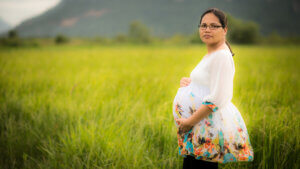
Pregnant individuals exposed to specific classes of flame-retardant chemicals known as organophosphate esters (OPEs) may face an increased risk of preterm birth, especially for baby girls, or higher birth weights for girls and boys, according to a recently published study funded by the Environmental influences on Child Health Outcomes (ECHO) Program at the National Institutes of Health.

Manufacturers commonly use OPEs in products such as furniture, baby items, electronics, clothes, and building materials to prevent fires and make plastics more flexible. People can come into contact with OPEs in various ways, including swallowing or breathing indoor dust or absorbing it through the skin.

In the past decade, OPEs have been increasingly used as flame retardants after polybrominated diphenyl ether (PBDE) flame retardants were phased out due to health risks. ECHO researchers wanted to learn how these now more widespread OPE chemicals might affect pregnancy outcomes such as preterm birth and birth weight.

"The widespread use of products with new flame retardants among pregnant women in the U.S. means that a significant number of births could be affected by these compounds," said Deborah Bennett, PhD, of the University of California, Davis. “In fact, ECHO researchers learned that more than 85% of the study participants had three specific markers of OPE exposure in their bodies.”

Those three substances—diphenyl phosphate (DPHP), a combination of dibutyl phosphate and di-isobutyl phosphate (DBUP/DIBP), and bis(1,3-dichloro-2-propyl) phosphate—were associated with shorter pregnancies and higher risks of preterm birth only among female infants. Among male infants, higher concentrations of DPHP were associated with longer pregnancies.

Babies born to mothers with detectable levels of three other OPE markers—bis(1-chloro-2-propyl) phosphate, bis(2-methylphenyl) phosphate, and dipropyl phosphate—tended to have higher birth weights compared to those whose mothers had no detectable levels of these substances. Babies with a higher birth weight might be more likely to have jaundice, breathing problems, or congenital disorders.

Researchers measured a total of nine OPE markers in urine samples collected from 6,646 pregnant participants across 16 ECHO Cohort Study Sites—often during their third or second trimesters. The researchers assessed birth outcomes, including the length of pregnancy and birth weight, using medical records or parent reports.

“These substances tend to stay in the body for short periods, usually just hours to days,” said Dr. Bennett. “Conducting more thorough studies with various urine tests can help us figure out how they might be linked to birth outcomes.”

Dr. Bennett led this collaborative research published in Environmental Health Perspectives.

###

About ECHO: Launched in 2016, the Environmental influences on Child Health Outcomes (ECHO) Program is a research program in the Office of the Director at the NIH with the mission to enhance the health of children for generations to come. ECHO investigators study the effects of a broad range of early environmental influences on child health and development. For more information, visit echochildren.org.

About the NIH: NIH, the nation’s medical research agency, includes 27 Institutes and Centers and is a component of the U.S. Department of Health and Human Services. NIH is the primary federal agency conducting and supporting basic, clinical, and translational medical research, and is investigating the causes, treatments, and cures for both common and rare diseases. For more information, visit www.nih.gov.

Media Contacts

For information or to request an interview, contact Rebekah Yeager,  rebekah.yeager@nih.gov.

If you are not a member of the media, but have a general inquiry, please contact  NIHKidsandEnvironment@od.nih.gov.

Connect With Us

echo connectorCheck out the recent issues of our bi-monthly newsletter, the ECHO Connector, for program news and the latest research findings.

To receive the ECHO Connector through email, subscribe here.

Follow @ECHOChildHealth for the latest ECHO Program updates on X (formerly known as Twitter).

Early Breastfeeding Linked to Lower Risk of Childhood Obesity, Regardless of Mother’s Weight, NIH Study Finds

FOR IMMEDIATE RELEASE

Consistently breastfeeding infants in any amount during their first three months was associated with a lower risk of childhood obesity, regardless of the mother's body mass index (BMI) before pregnancy, according to a new study funded by the Environmental influences on Child Health Outcomes (ECHO) Program at the National Institutes of Health.

While previous studies have shown that breastfeeding may protect children against obesity and other chronic conditions, this relationship has not been studied much in women with obesity. ECHO Cohort researchers wanted to explore the possible link between breastfeeding practices in women with obesity and overweight before pregnancy and a child’s BMIz score. Researchers use BMIz scores to compare children’s height and weight to those of their peers, while the more familiar BMI assesses body weight in relation to height.

In this ECHO Cohort study, researchers found that any amount of consistent breastfeeding during an infant’s first three months was associated with lower BMIz scores, calculated later at ages between 2 and 6 years, regardless of the mother’s pre-pregnancy BMI. This protective association appeared stronger for children with mothers who had obesity before pregnancy compared to those categorized as overweight during the same time. (A BMI of 25 to 29.9 is considered overweight, and a BMI of 30 or higher is considered obese.)

“Our findings highlight that each additional month of breastfeeding, whether a consistent amount or exclusively, may contribute to a lower weight later in childhood, especially for mothers who had obesity before pregnancy,” said Gayle Shipp, PhD, RDN of Michigan State University.

The study looked at BMI measurements from 8,134 pairs of mothers and kids at 21 study sites in 16 states and Puerto Rico. The researchers calculated BMI and BMIz scores from measurements taken at study visits, medical records, or self-reported data for the mother and child. Additionally, the study examined two breastfeeding situations: whether the mother ever breastfed or whether the mother was exclusively breastfeeding the infant at 3 months old. This continuous breastfeeding measure included the duration of any breastfeeding allowing for formula or other food and the duration of exclusive breastfeeding with no formula feeding or other food.

Exclusive breastfeeding at three months was associated with a lower child BMIz score only among women with a pre-pregnancy BMI in the normal range. Each additional month of any or exclusive breastfeeding correlated with a significantly lower child BMIz, particularly for mothers categorized as overweight (in the case of any breastfeeding) or as having obesity (for any or exclusive breastfeeding) prior to pregnancy.

“Health professionals can use this study’s findings as an opportunity to encourage and promote breastfeeding among all women, especially those who have obesity,” said Shipp.

Dr. Shipp led this collaborative research published in Pediatrics.

###

About ECHO: Launched in 2016, the Environmental influences on Child Health Outcomes (ECHO) Program is a research program in the Office of the Director at the NIH with the mission to enhance the health of children for generations to come. ECHO investigators study the effects of a broad range of early environmental influences on child health and development. For more information, visit echochildren.org.

About the NIH: NIH, the nation’s medical research agency, includes 27 Institutes and Centers and is a component of the U.S. Department of Health and Human Services. NIH is the primary federal agency conducting and supporting basic, clinical, and translational medical research, and is investigating the causes, treatments, and cures for both common and rare diseases. For more information, visit www.nih.gov.

Media Contacts

For information or to request an interview, contact Rebekah Yeager,  rebekah.yeager@nih.gov.

If you are not a member of the media, but have a general inquiry, please contact  NIHKidsandEnvironment@od.nih.gov.

Connect With Us

echo connectorCheck out the recent issues of our bi-monthly newsletter, the ECHO Connector, for program news and the latest research findings.

To receive the ECHO Connector through email, subscribe here.

Follow @ECHOChildHealth for the latest ECHO Program updates on X (formerly known as Twitter).

NIH Study Validates New Scale for Measuring Pandemic-Related Traumatic Stress in Children and Adults

FOR IMMEDIATE RELEASE

The Pandemic-related Traumatic Stress Scale (PTSS) can be used to effectively measure stress related to the COVID-19 pandemic and identify children and adults with higher levels of stress who may need additional mental health support, according to a new study funded by the Environmental influences on Child Health Outcomes Program (ECHO) at the National Institutes of Health.

The study included 17,830 children and adults from 47 ECHO Cohort study sites representing all 50 states, Washington, DC, and Puerto Rico. Researchers split the sample into four groups including 1,656 pregnant or postpartum individuals; 11,483 adult caregivers; 1,795 adolescents aged 13 to 21; and 2,896 children aged 3 to 12. Between April 2020 and August 2021, participants or their caregivers completed surveys about their pandemic-related traumatic stress, depressive symptoms, anxiety, general stress, and life satisfaction. On average, caregivers had the highest PTSS scores, followed by adolescents, pregnant or postpartum individuals, and children.

Within these groups, the researchers found additional differences related to age and gender. Adolescents, females, and caregivers of children under 5 had higher PTSS scores on average than younger children, males, and caregivers of children 5 and older, respectively. Higher levels of pandemic-related traumatic stress were associated with greater symptoms of distress and lower life satisfaction.

“The PTSS can be used beyond the immediate COVID-19 pandemic context,” said Courtney Blackwell, PhD, an ECHO Cohort Investigator at Northwestern University. “Unlike previous measures that capture traumatic stress reactions to a single event, the PTSS was developed to evaluate potential traumatic stress reactions to ongoing large-scale threats. In the future, the PTSS could be adapted to evaluate reactions to other acute onset stressors with lengthy durations.”

Dr. Blackwell led this collaborative research published in Psychological Assessment.

Blackwell, C. et al. Development and Psychometric Validation of the Pandemic-related Traumatic Stress Scale for Children and Adults. Psychological Assessment. DOI: 10.1037/pas0001211.

###

About ECHO: Launched in 2016, the Environmental influences on Child Health Outcomes (ECHO) Program is a research program in the Office of the Director at the NIH with the mission to enhance the health of children for generations to come. ECHO investigators study the effects of a broad range of early environmental influences on child health and development. For more information, visit echochildren.org.

About the NIH: NIH, the nation’s medical research agency, includes 27 Institutes and Centers and is a component of the U.S. Department of Health and Human Services. NIH is the primary federal agency conducting and supporting basic, clinical, and translational medical research, and is investigating the causes, treatments, and cures for both common and rare diseases. For more information, visit www.nih.gov.

Media Contacts

For information or to request an interview, contact Rebekah Yeager,  rebekah.yeager@nih.gov.

If you are not a member of the media, but have a general inquiry, please contact  NIHKidsandEnvironment@od.nih.gov.

Connect With Us

echo connectorCheck out the recent issues of our bi-monthly newsletter, the ECHO Connector, for program news and the latest research findings.

To receive the ECHO Connector through email, subscribe here.

Follow @ECHOChildHealth for the latest ECHO Program updates on Twitter.

NIH Study Suggests Measurement Bias in Common Child Behavior Assessment Tool

FOR IMMEDIATE RELEASE

Researchers identify less biased questions that could reliably capture childhood behavior problems

Scores from a commonly used measure of behavior problems in young children may be skewed depending on the primary language, education, and sex of the caregiver who fills out the survey, as well as the child’s age and race, according to new research from the NIH’s Environmental influences on Child Health Outcomes (ECHO) Program.

ECHO Cohort researchers analyzed data from caregivers who filled out the widely used Child Behavior Checklist (CBCL) 1.5–5 on behalf of 9,087 young children ages 18 to 71 months from 26 ECHO research sites across the United States. The caregiver-reported survey evaluates a range of behavior problems in young children.

"Understanding children's behavior can help us identify potential issues in their development and mental health down the road,” said Shuting Zheng, PhD of the University of California, San Francisco. “To do this effectively, we need reliable ways to measure their behavior equivalently for children from diverse backgrounds."

The study found that how caregivers respond to the questions on the measure was biased the most by the language used to complete the survey, followed by factors such as the caregiver's education level and sex and the child's age and race. These biases persisted after accounting for mental health disparities between these groups. Researchers noted that some information could get lost in translation and people from different cultures could understand child behavior problems differently. The gender of the person answering the questions and their level of education also had an impact and researchers pointed to parents’ expectations about how children should develop as possible influences in how they answered the survey questions.

ECHO Cohort researchers were then able to identify some CBCL questions less affected by measurement biases introduced by sociodemographic factors but which still reliably captured childhood behavior problems. The subset of questions that showed little bias across survey-taker demographics still captures a wide range of behaviors across internalizing (e.g., emotionally reactive, withdrawn) and externalizing problems (aggressive behaviors and attention problems).

Going forward, ECHO Cohort researchers plan to apply these questions, evaluating their reliability in identifying children with clinically significant behavior problems.

“Finding questions with less measurement bias across socio-demographic groups helps researchers and clinicians measure behavior problems in different groups of kids of varying ages and family backgrounds more accurately,” Dr. Zheng said.

Dr. Zheng and Somer Bishop, PhD of the University of California, San Francisco, and Maxwell Mansolf, PhD of Northwestern University led this collaborative research that was published in the Journal of Child Psychology & Psychiatry Advances.

Zheng, S. et al. Measurement Bias in Caregiver-Report of Early Childhood Behavior Problems across Demographic Factors in an ECHO-wide Diverse Sample. Journal of Child Psychology & Psychiatry Advances. DOI: 10.1002/jcv2.12198.

###

About ECHO:

Launched in 2016, the Environmental influences on Child Health Outcomes (ECHO) Program is a research program in the Office of the Director at the NIH with the mission to enhance the health of children for generations to come. ECHO investigators study the effects of a broad range of early environmental influences on child health and development. For more information, visit echochildren.org.

About the NIH: NIH, the nation’s medical research agency, includes 27 Institutes and Centers and is a component of the U.S. Department of Health and Human Services. NIH is the primary federal agency conducting and supporting basic, clinical, and translational medical research, and is investigating the causes, treatments, and cures for both common and rare diseases. For more information, visit.

Media Contacts

For information or to request an interview, contact Rebekah Yeager,  rebekah.yeager@nih.gov.

If you are not a member of the media, but have a general inquiry, please contact  NIHKidsandEnvironment@od.nih.gov.

Connect With Us

echo connectorCheck out the recent issues of our bi-monthly newsletter, the ECHO Connector, for program news and the latest research findings.

To receive the ECHO Connector through email, subscribe here.

Follow @ECHOChildHealth for the latest ECHO Program updates on Twitter.

NIH Study Identifies Food to Help Pregnant Women Optimize Intake of Key Nutrients

FOR IMMEDIATE RELEASE

Study can help doctors and pregnant patients shape a balanced diet and supplement strategy.

Most pregnant women in the U.S. are at risk of not getting enough of six nutrients important to a healthy pregnancy—vitamin A, vitamin D, folate, calcium, iron, and omega-3 fatty acids—from foods alone. Yet finding a combination of foods and supplements that delivers the right amounts of these nutrients without exceeding calorie recommendations or safety limits can be challenging.

In a new study published in The Journal of Nutrition, researchers from NIH’s Environmental influences on Child Health Outcomes (ECHO) Program wanted to find low-calorie, nutrient-rich foods that could boost nutrient intake, much like dietary supplements do. They calculated how much of the six nutrients participants were getting from their diets and compared that data to pregnancy nutrition recommendations to determine the amount of nutrients the participants would need from additional foods to make up for the gaps in their diet.

What they found was that no single food they evaluated gave enough of all six nutrients in a reasonable serving size to bring typical diets in line with recommendations for nutrient intake during pregnancy. One food—raw seaweed—contained five of the key nutrients—vitamin A, folate, calcium, iron, and omega-3 fatty acid—but required up to 7 cups a day to meet daily requirements. Twenty-one foods and beverages contained at least four key nutrients in reasonable serving sizes, including a 1.2-cup ready-to-drink nutritional shake. Researchers also found that few foods met the targets for vitamin D and iron, suggesting that dietary supplements may be necessary to fill the gaps for those particular nutrients.

"This study emphasizes the importance of a balanced and varied diet during pregnancy, along with considering appropriate supplementation, to ensure the well-being of both the mother and the developing baby," study author Katherine Sauder, PhD of the Wake Forest University School of Medicine said.

The research highlights a selection of healthy, low-calorie foods that pregnant women can add to their diets to help meet nutritional requirements during pregnancy. Some examples of readily available foods to choose from include:

  • 2 cups of raw carrots for vitamin A
  • 6 cups of reduced-fat milk for vitamin D
  • 4 cups of edamame could provide the optimal amount of folic acid
  • 1 cup of a nutritional drink or shake for calcium
  • 9 cups of multigrain cereal for iron
  • 1 cups of canned chicken for omega-3 fatty acids

What happened during the study

ECHO researchers examined more than 2,300 foods and drinks that people in the U.S. typically eat, focusing on those containing one or more of the six essential nutrients to be consumed during pregnancy. The foods and quantities evaluated contained the minimum amount of one or more of the nutrients without exceeding 340 calories or the maximum amount of any of the other nutrients. Then, they compared diets of 2,450 pregnant participants from six ECHO research sites across the U.S. to pregnancy nutrition recommendations to determine how participants could fill the gaps in their diets.

This collaborative research was led by Dr. Sauder and Catherine Cohen, PhD, RD of the University of Colorado Denver - Anschutz Medical Campus.

Sauder, K. et al. Identifying Foods That Optimize Intake of Key Micronutrients During Pregnancy. Journal of Nutrition. DOI: 10.1016/j.tjnut.2023.08.012

###

About ECHO:

Launched in 2016, the Environmental influences on Child Health Outcomes (ECHO) Program is a research program in the Office of the Director at the NIH with the mission to enhance the health of children for generations to come. ECHO investigators study the effects of a broad range of early environmental influences on child health and development. For more information, visit echochildren.org.

About the NIH: NIH, the nation’s medical research agency, includes 27 Institutes and Centers and is a component of the U.S. Department of Health and Human Services. NIH is the primary federal agency conducting and supporting basic, clinical, and translational medical research, and is investigating the causes, treatments, and cures for both common and rare diseases. For more information, visit www.nih.gov.

Media Contacts

For information or to request an interview, contact Rebekah Yeager,  rebekah.yeager@nih.gov.

If you are not a member of the media, but have a general inquiry, please contact  NIHKidsandEnvironment@od.nih.gov.

Connect With Us

echo connectorCheck out the recent issues of our bi-monthly newsletter, the ECHO Connector, for program news and the latest research findings.

To receive the ECHO Connector through email, subscribe here.

Follow @ECHOChildHealth for the latest ECHO Program updates on Twitter.

NIH Study Finds Association Between Elevated Phthalate Levels and Increased Risk of Postpartum Depression

FOR IMMEDIATE RELEASE

In a new study from the NIH’s Environmental influences on Child Health Outcomes (ECHO) Program, higher prenatal phthalate levels were associated with a slightly increased risk of postpartum depression.

Postpartum depression affects up to 20% of new mothers, making it the most common pregnancy complication to occur after delivery. ECHO Cohort researchers wanted to examine how chemicals such as phenols, phthalates, and parabens—commonly found in plastics and personal care products—might play a role in postpartum depression symptoms, alongside other factors like genetics and stress. Exposure to these chemicals can affect hormone levels, potentially influencing the development of postpartum depression.

The presence of these man-made chemicals in people is common due to frequent exposure through diet, absorption through the skin, and inhalation. Researchers noted that among study participants all had parabens and nearly all had phthalates in their urine samples.

“Finding new ways to prevent postpartum depression is crucial because most of the known risk factors, like genetics and stressful life events, can’t be altered,” said Melanie Jacobson, PhD, MPH of New York University’s Grossman School of Medicine. “Therefore, focusing on prenatal exposure to these types of chemicals represents a novel interventional target.”

Researchers measured the concentrations of these chemicals in urine samples of 2,174 pregnant individuals at five ECHO Cohort Study Sites. Those same individuals also completed depression assessments between two weeks and 12 months after delivery to check for postpartum depression symptoms. Screening instruments indicated the presence or absence of postnatal depressive symptoms. Researchers then harmonized data to the Patient-Reported Measurement Information System (PROMIS) Depression scale.

The study found that higher levels of phthalates, in particular those found in products such as personal care items and plastic consumer products, were associated with an increased risk of postpartum depression. Those who met the criteria for postpartum depression were more likely to be Hispanic and from the ECHO study site in Puerto Rico, have attained less education, and substantially higher prenatal depression scores.

This collaborative research, which is believed to be the largest study to date examining the effects of environmental chemicals on depression, is published in JAMA Psychiatry.

Jacobson, M. et al. Prenatal exposure to nonpersistent environmental chemicals and postpartum depression. JAMA Psychiatry. DOI: 10.1001/jamapsychiatry.2023.3542.

Media Contacts

For information or to request an interview, contact Rebekah Yeager,  rebekah.yeager@nih.gov.

If you are not a member of the media, but have a general inquiry, please contact  NIHKidsandEnvironment@od.nih.gov.

Connect With Us

echo connectorCheck out the recent issues of our bi-monthly newsletter, the ECHO Connector, for program news and the latest research findings.

To receive the ECHO Connector through email, subscribe here.

Follow @ECHOChildHealth for the latest ECHO Program updates on Twitter.

Study Shows Association Between Better Neighborhood Conditions and Lower Childhood Asthma Rates

FOR IMMEDIATE RELEASE

Living in a neighborhood with better access to resources such as high-quality housing, healthy food, parks and playgrounds, and clean air during the early stages of childhood was associated with lower asthma incidence in a new study from NIH’s Environmental influences on Child Health Outcomes (ECHO) Program.

Children born in high-opportunity neighborhoods had an asthma incidence rate of 23.3 cases per 1,000 children, while those born in very low and low-opportunity neighborhoods had rates of 35.3 per 1,000 and 27 per 1,000, respectively.

“Understanding neighborhood conditions could help researchers identify vulnerable children who are at high risk for developing asthma,” said study author Izzuddin Aris, PhD, of Harvard Medical School. “This information can also inform efforts by policymakers, researchers, and community groups to improve children's health and foster equity across neighborhoods.”

Researchers in this study measured neighborhood conditions using the Child Opportunity Index and the Social Vulnerability Index, which link residential addresses at birth, infancy (age 0.5‒1.5 years), and early childhood (age 2.0‒4.8 years) to census-tract data about the opportunities and resources available in the surrounding neighborhood. Only the Child Opportunity Index, which measures neighborhood resources and conditions deemed essential for healthy child development, showed significant associations with childhood asthma incidence. The Social Vulnerability Index measures factors that make a community more vulnerable in the aftermath of natural or human-caused disasters.

This study used data from 10,516 children at 46 research sites participating in ECHO, each having at least one residential address from birth and a parent or caregiver report of a physician’s diagnosis of asthma. These differences in the incidence of asthma persisted even after controlling for sociodemographic characteristics, parental asthma history, and the number of births a mother had.

“These findings emphasize the importance of investigating whether investing in early-life health and environmental or social and economic resources can promote health equity in pediatric asthma,” said Dr. Aris.

Dr. Aris led this collaborative research published in JAMA Pediatrics. An embargoed copy of the study is available upon request.

###

About ECHO:

Launched in 2016, the Environmental influences on Child Health Outcomes (ECHO) Program is a research program in the Office of the Director at the NIH with the mission to enhance the health of children for generations to come. ECHO investigators study the effects of a broad range of early environmental influences on child health and development. For more information, visit echochildren.org.

About the NIH: NIH, the nation’s medical research agency, includes 27 Institutes and Centers and is a component of the U.S. Department of Health and Human Services. NIH is the primary federal agency conducting and supporting basic, clinical, and translational medical research, and is investigating the causes, treatments, and cures for both common and rare diseases. For more information, visit www.nih.gov.

Media Contacts

For information or to request an interview, contact Rebekah Yeager,  rebekah.yeager@nih.gov.

If you are not a member of the media, but have a general inquiry, please contact  NIHKidsandEnvironment@od.nih.gov.

Connect With Us

echo connectorCheck out the recent issues of our bi-monthly newsletter, the ECHO Connector, for program news and the latest research findings.

To receive the ECHO Connector through email, subscribe here.

Follow @ECHOChildHealth for the latest ECHO Program updates on Twitter.

Education Levels and Child Age Shaped Caregivers’ Concerns Amid COVID-19, NIH Study Suggests

FOR IMMEDIATE RELEASE

A caregiver’s education level and their child’s age played large roles in determining their primary sources of stress during the COVID-19 pandemic, researchers found in a recent study by NIH’s Environmental influences on Child Health Outcomes (ECHO) Program. Caregivers who had less than a high school education were less likely to work remotely and were more worried about finances, childcare, and access to necessities like food. Caregivers with a master’s degree or higher reported greater concern about social distancing and impacts on their work.

The social factors that influenced infection rates, disease severity, and financial burden among adults during the pandemic have been broadly documented. However, ECHO researchers wanted to understand the experiences of children and their caregivers.

“Understanding these experiences can help uncover social differences that could worsen conditions for some populations during future public health crises,” said Kaja Z. LeWinn, ScD of the University of California, San Francisco.

Conducting population-based studies during the pandemic was challenging, but by using existing ECHO Program research sites across the United States and COVID-19 questionnaires, researchers were able to see how social and economic factors were affecting families and children throughout the height of the pandemic. The study analyzed data from 14,646 ECHO children and 13,644 ECHO caregivers between April 2020 and March 2022.

Caregivers completed ECHO’s COVID-19 surveys about their child’s and their own experiences during the pandemic. Researchers measured how the pandemic affected caregivers based on three demographic characteristics—caregiver education, their child’s age, and whether they lived in urban or rural settings. Researchers documented different pandemic-related outcomes for children and caregivers and compared these outcomes across demographic groups. For children, researchers documented COVID-19 infection, availability of COVID-19 testing, healthcare changes, and disruptions to school and daycare. For caregivers, researchers asked questions about remote work, childcare challenges, and their personal ranking of pandemic-related stressors.

Education affected caregiver experiences

Researchers found that caregivers with less than a high school education were more likely to report difficulties getting COVID-19 tests for their children. Caregivers also cited financial concerns and access to necessities such as food as primary sources of stress. In contrast, caregivers with a master’s degree or higher were more likely to name social distancing as the top source of their pandemic-related stress.

The study's findings also indicate that caregivers with higher education were significantly more likely to have the option to work remotely. Caregivers with a high school or less education were less likely to be able to work remotely or change work schedules to care for their children compared to those with a master’s degree or greater. Even though those with a bachelor’s degree were less likely than those with a master’s degree to work remotely, they were still more likely than those with lower education to change their work schedule to care for children.

Interestingly, the opposite relationship existed for arranging childcare. Those with a master’s degree or higher reported more challenges finding childcare than those with less than a high school education. There is evidence suggesting greater rates of childcare center closures in areas where people had higher levels of education. Informal childcare arrangements among families with lower education levels may have been less affected by center closures.

Caregivers of young children faced more challenges

Caregivers with children between the ages of 1 and 5 years reported the least support from school systems, the most difficulty finding childcare, and fewer remote learning options. They were also more likely to have healthcare appointments canceled due to COVID‑19 concerns and were most concerned about how the pandemic would affect their ability to work.

“Our findings suggest that families with young children may need more support related to childcare and work flexibility, especially when school disruptions are involved,” Dr. LeWinn said.

Researchers observed few differences in the experiences of urban and rural residents.

Future research may investigate the long-term effects these pandemic challenges may have on children in the ECHO Program over time.

Dr. LeWinn and Lisa Jacobson, ScD of Johns Hopkins University led this collaborative research published in JAMA Network Open.

###

About ECHO: Launched in 2016, the Environmental influences on Child Health Outcomes (ECHO) Program is a research program in the Office of the Director at the NIH with the mission to enhance the health of children for generations to come. ECHO investigators study the effects of a broad range of early environmental influences on child health and development. For more information, visit echochildren.org.

About the NIH: NIH, the nation’s medical research agency, includes 27 Institutes and Centers and is a component of the U.S. Department of Health and Human Services. NIH is the primary federal agency conducting and supporting basic, clinical, and translational medical research, and is investigating the causes, treatments, and cures for both common and rare diseases. For more information, visit www.nih.gov.

Media Contacts

For information or to request an interview, contact Rebekah Yeager,  rebekah.yeager@nih.gov.

If you are not a member of the media, but have a general inquiry, please contact  NIHKidsandEnvironment@od.nih.gov.

Connect With Us

echo connectorCheck out the recent issues of our bi-monthly newsletter, the ECHO Connector, for program news and the latest research findings.

To receive the ECHO Connector through email, subscribe here.

Follow @ECHOChildHealth for the latest ECHO Program updates on Twitter.

NIH Study Suggests Limiting Sugary Drinks at Home Most Effective in Efforts to Cut Childhood Sugar Consumption

FOR IMMEDIATE RELEASE

Through a computer simulation based on data collected over several years from thousands of real children, researchers with NIH’s Environmental influences on Child Health Outcomes (ECHO) Program found that limiting access to sugary drinks just in the home could reduce overall consumption of these beverages by as much as 87%.

Health experts have long recognized the need to reduce the consumption of sugar-sweetened drinks among U.S. children. However, large-scale interventions have been costly and shown limited effects. ECHO researchers used computer modeling to simulate interventions and measure their impact on reducing consumption in different populations.

This study examined data from children ages 2 to 7 years in three ECHO research sites across the U.S. These children spent time in different environments as they grew—home, childcare, and school—where they had varying access to sugary beverages.

In the simulation, by limiting access to sugary drinks in the home, the researchers found that overall consumption of these drinks by a child could be reduced by as much as 87%. Reducing the availability of sugar-sweetened drinks at schools and childcare facilities also proved helpful in curbing consumption, but the overall decreases were lower than those that could be gained by reducing consumption in the home setting. The study revealed that the amount of reduction also varied among different groups of children simulated.

"These findings highlight the importance of tailoring interventions to reduce sugar-sweetened drink consumption based on the characteristics and needs of specific populations," said Matt Kasman, PhD, of Brookings Institution. "Using computer modeling, we can gain valuable insights to develop effective and targeted strategies."

In future studies, researchers plan to include older children and explore the consumption of other foods and beverages with health implications.

Dr. Kasman led this collaborative research published in the American Journal of Preventative Medicine.

###

About ECHO: Launched in 2016, the Environmental influences on Child Health Outcomes (ECHO) Program is a research program in the Office of the Director at the NIH with the mission to enhance the health of children for generations to come. ECHO investigators study the effects of a broad range of early environmental influences on child health and development. For more information, visit echochildren.org.

About the NIH: NIH, the nation’s medical research agency, includes 27 Institutes and Centers and is a component of the U.S. Department of Health and Human Services. NIH is the primary federal agency conducting and supporting basic, clinical, and translational medical research, and is investigating the causes, treatments, and cures for both common and rare diseases. For more information, visit www.nih.gov.

Media Contacts

For information or to request an interview, contact Rebekah Yeager,  rebekah.yeager@nih.gov.

If you are not a member of the media, but have a general inquiry, please contact  NIHKidsandEnvironment@od.nih.gov.

Connect With Us

echo connectorCheck out the recent issues of our bi-monthly newsletter, the ECHO Connector, for program news and the latest research findings.

To receive the ECHO Connector through email, subscribe here.

Follow @ECHOChildHealth for the latest ECHO Program updates on Twitter.

NIH Study Suggests Association Between Prenatal Depression and Greater Autism-related Traits in Children

FOR IMMEDIATE RELEASE

Children of mothers with prenatal depression had slightly more autism-related traits compared to those without that exposure, according to a study funded by the Environmental influences on Child Health Outcomes (ECHO) Program at the National Institutes of Health.

While this study didn’t explore why this association might exist, future research could investigate whether these findings reflect overlap in genetic risk for depression and autism-related traits or another mechanism.

Prior studies linked prenatal depression and depression history to autism spectrum disorder, but this study focused broadly on autism-related traits.  By studying social communication and other autism-related traits, researchers can better understand how prenatal depression influences these traits, which may show up in children without an official diagnosis of autism spectrum disorder.

“Autism-related traits can significantly impact a child's physical, social, and psychological development, regardless of their clinical diagnosis. Screening and treating pregnant patients for depression and detecting autism-related traits in these children early on can lead to timely support of healthy development and outcomes for mothers and children,” said study author Lyndsay Avalos, PhD, MPH, of Kaiser Permanente Northern California Division of Research.

The analysis included 3,994 parent-child pairs with prenatal depression data and 1,730 pairs with depression severity data from 33 ECHO research sites across the United States. Autism-related traits were assessed using the Social Responsiveness Scale (SRS) for children up to 12 years of age.

Dr. Avalos and Lisa Croen, PhD, also of Kaiser Permanente Northern California Division of Research, led this collaborative research published in Autism Research.

###

About ECHO: Launched in 2016, the Environmental influences on Child Health Outcomes (ECHO) Program is a research program in the Office of the Director at the NIH with the mission to enhance the health of children for generations to come. ECHO investigators study the effects of a broad range of early environmental influences on child health and development. For more information, visit echochildren.org.

About the NIH: NIH, the nation’s medical research agency, includes 27 Institutes and Centers and is a component of the U.S. Department of Health and Human Services. NIH is the primary federal agency conducting and supporting basic, clinical, and translational medical research, and is investigating the causes, treatments, and cures for both common and rare diseases. For more information, visit www.nih.gov.

Media Contacts

For information or to request an interview, contact Rebekah Yeager,  rebekah.yeager@nih.gov.

If you are not a member of the media, but have a general inquiry, please contact  NIHKidsandEnvironment@od.nih.gov.

Connect With Us

echo connectorCheck out the recent issues of our bi-monthly newsletter, the ECHO Connector, for program news and the latest research findings.

To receive the ECHO Connector through email, subscribe here.

Follow @ECHOChildHealth for the latest ECHO Program updates on Twitter.