


New ECHO Research Identifies Best Epigenetic Tests to Use for Different Pediatric Tissue Samples

Collaborative ECHO research led by Fang Fang, PhD, of the Genomics and Translational Research Center of RTI International evaluates multiple epigenetic clocks to test their accuracy when used to predict the biological age of children. This research, titled “Evaluation of Pediatric Epigenetic Clocks Across Multiple Tissues,” is published in Clinical Epigenetics.

DNA methylation, or DNAm, is a molecular process that adds a tag to the DNA that can control gene expression. Certain well-studied DNAm have been associated with many age-related chronic diseases, including aging itself.

Researchers have developed biochemical models called epigenetic clocks that use DNAm to estimate an individual’s biological age. Scientists have studied these clocks in adult populations in whom accelerated biological age (DNAm-predicted age older than actual chronological age) seems strongly connected to age-related health complications. However, epigenetic clocks for pediatric populations have only recently been built. To understand how these clocks perform in different tissue types and developmental stages, researchers used data from 3,789 children from 20 ECHO research sites to conduct a comprehensive evaluation on seven of these epigenetic clocks—Horvath, Knight, Bohlin, Lee, Mayne, PedBE, and NeoAge—all of which researchers developed for different purposes and tissue types.

The study evaluated each clock to their corresponding tissues, and then compared them across different tissue samples. After comparing the suitability of various epigenetic clocks for each tissue type, researchers evaluated their performance across diverse populations. This evaluation included comparing epigenetic clocks between preterm and term infants within the same tissue type, across different self-reported racial groups, between males and females, and across different tissue types within the same set of participants.

The results of this study suggest that the best epigenetic clock to use depends on the type of sample being studied. For example, the Bohlin and Knight clocks were very similar when predicting gestational age from blood cell samples; the Lee clock outperformed the Mayne clock in predicting gestational age from placental samples; and the PedBE clock was more accurate than the Horvath clock at predicting chronological age from buccal cells. However, the Horvath clock was better at predicting chronological age when using blood cells samples.

The study results suggest the importance of researchers choosing the appropriate clock depending on the focus of their study, and provides practical recommendations for selecting the most appropriate epigenetic clock in different research contexts. The findings of this study may help scientists make better research tools, improving child health research.

“It is important for scientists to understand how these clocks perform in different tissue types and developmental stages throughout early life to ensure they are designing studies appropriately and then correctly interpreting the results of these studies,” Dr. Fang said.

Future studies may use the various epigenetic clocks as recommended to check the health of babies and children. However, researchers should interpret this data with caution as it pertains to conclusions about the performance of specific epigenetic clocks in pediatric populations with varied health backgrounds. In addition to practically applying the recommendations provided by this research, future studies may also examine the effects of genetics on the performance of different epigenetic clocks.


Read the research summary.

NIH Study Identifies Food to Help Pregnant Women Optimize Intake of Key Nutrients

FOR IMMEDIATE RELEASE

Study can help doctors and pregnant patients shape a balanced diet and supplement strategy.

Most pregnant women in the U.S. are at risk of not getting enough of six nutrients important to a healthy pregnancy—vitamin A, vitamin D, folate, calcium, iron, and omega-3 fatty acids—from foods alone. Yet finding a combination of foods and supplements that delivers the right amounts of these nutrients without exceeding calorie recommendations or safety limits can be challenging.

In a new study published in The Journal of Nutrition, researchers from NIH’s Environmental influences on Child Health Outcomes (ECHO) Program wanted to find low-calorie, nutrient-rich foods that could boost nutrient intake, much like dietary supplements do. They calculated how much of the six nutrients participants were getting from their diets and compared that data to pregnancy nutrition recommendations to determine the amount of nutrients the participants would need from additional foods to make up for the gaps in their diet.

What they found was that no single food they evaluated gave enough of all six nutrients in a reasonable serving size to bring typical diets in line with recommendations for nutrient intake during pregnancy. One food—raw seaweed—contained five of the key nutrients—vitamin A, folate, calcium, iron, and omega-3 fatty acid—but required up to 7 cups a day to meet daily requirements. Twenty-one foods and beverages contained at least four key nutrients in reasonable serving sizes, including a 1.2-cup ready-to-drink nutritional shake. Researchers also found that few foods met the targets for vitamin D and iron, suggesting that dietary supplements may be necessary to fill the gaps for those particular nutrients.

"This study emphasizes the importance of a balanced and varied diet during pregnancy, along with considering appropriate supplementation, to ensure the well-being of both the mother and the developing baby," study author Katherine Sauder, PhD of the Wake Forest University School of Medicine said.

The research highlights a selection of healthy, low-calorie foods that pregnant women can add to their diets to help meet nutritional requirements during pregnancy. Some examples of readily available foods to choose from include:

  • 2 cups of raw carrots for vitamin A
  • 6 cups of reduced-fat milk for vitamin D
  • 4 cups of edamame could provide the optimal amount of folic acid
  • 1 cup of a nutritional drink or shake for calcium
  • 9 cups of multigrain cereal for iron
  • 1 cups of canned chicken for omega-3 fatty acids

What happened during the study

ECHO researchers examined more than 2,300 foods and drinks that people in the U.S. typically eat, focusing on those containing one or more of the six essential nutrients to be consumed during pregnancy. The foods and quantities evaluated contained the minimum amount of one or more of the nutrients without exceeding 340 calories or the maximum amount of any of the other nutrients. Then, they compared diets of 2,450 pregnant participants from six ECHO research sites across the U.S. to pregnancy nutrition recommendations to determine how participants could fill the gaps in their diets.

This collaborative research was led by Dr. Sauder and Catherine Cohen, PhD, RD of the University of Colorado Denver - Anschutz Medical Campus.

Sauder, K. et al. Identifying Foods That Optimize Intake of Key Micronutrients During Pregnancy. Journal of Nutrition. DOI: 10.1016/j.tjnut.2023.08.012

###

About ECHO:

Launched in 2016, the Environmental influences on Child Health Outcomes (ECHO) Program is a research program in the Office of the Director at the NIH with the mission to enhance the health of children for generations to come. ECHO investigators study the effects of a broad range of early environmental influences on child health and development. For more information, visit echochildren.org.

About the NIH: NIH, the nation’s medical research agency, includes 27 Institutes and Centers and is a component of the U.S. Department of Health and Human Services. NIH is the primary federal agency conducting and supporting basic, clinical, and translational medical research, and is investigating the causes, treatments, and cures for both common and rare diseases. For more information, visit www.nih.gov.

Media Contacts

For information or to request an interview, contact Rebekah Yeager,  rebekah.yeager@nih.gov.

If you are not a member of the media, but have a general inquiry, please contact  NIHKidsandEnvironment@od.nih.gov.

Connect With Us

echo connectorCheck out the recent issues of our bi-monthly newsletter, the ECHO Connector, for program news and the latest research findings.

To receive the ECHO Connector through email, subscribe here.

Follow @ECHOChildHealth for the latest ECHO Program updates on Twitter.

New ECHO Research Identifies Energy-efficient Foods to Boost Prenatal Nutrient Intake

Katherine Sauder, PhD

Collaborative ECHO Cohort research led by Katherine Sauder, PhD and Catherine Cohen, PhD, RD of the University of Colorado Denver – Anschutz Medical Campus identified more than 2,300 energy-efficient foods that could help provide the right amounts of six key nutrients for a healthy pregnancy. This research, titled “Identifying Foods that Optimize Intake of Key Micronutrients During Pregnancy” is published in The Journal of Nutrition.

Most pregnant women in the U.S. are at risk of not getting enough of the nutrients vitamin A, vitamin D, folate, calcium, iron, and omega-3 fatty acids from foods alone. Previous ECHO Cohort research found that only one prenatal supplement available in the U.S. may give pregnant women the optimal amounts of each of these six nutrients. However, that supplement costs $200 per month and requires the patient to take seven pills a day.

Researchers in this study wanted to identify nutrient-rich foods to supplement a pregnant woman’s diet to meet nutrient targets, in the same way that supplements do. They identified more than 2,300 low-calorie foods with enough of at least one of the six nutrients important in pregnancy, including many with reasonable serving amounts to avoid excessive intake. However, no single food evaluated gave enough of each nutrient to fill all six nutrient gaps. One food—raw seaweed—contained five of the key nutrients—vitamin A, folate, calcium, iron, and omega-3 fatty acid—but required up to 7 cups a day to meet daily requirements. Twenty-one other foods and beverages (mainly fish, vegetables, and beverages) provided target amounts of four of the six key nutrients. Few foods met targets for vitamin D or iron, suggesting that dietary supplements may be necessary to meet those nutrient needs.  Other foods could be added in limited amounts to help meet intake targets without exceeding caloric recommendations or nutrient safety limits.

The study included 2,450 pregnant participants from six ECHO Cohort Study Sites across the U.S. ECHO researchers looked at foods and drinks that pregnant participants consumed during their pregnancies and then calculated how much of these six nutrients they were getting from their diet. The researchers compared the participants’ diets to nutrition recommendations for pregnancy to determine the amount of nutrients the participants would need from foods to make up for the gaps in their diet.

“Our analysis indicates that more substantial shifts in dietary intake are likely needed to meet nutrient intake targets, as well as improve prenatal intake more generally,” Dr. Sauder said. “Clinicians can encourage pregnant females to reduce intake of nutrient-poor, energy-dense foods so that more nutrient-rich foods can be consumed without inducing excess calorie intake.”

Read the research summary.

Educational Background and Child Age Influenced Experiences of Caregivers During COVID 19 Pandemic

<< Back to Research Summaries

Educational Background and Child Age Influenced Experiences of Caregivers During COVID‑19 Pandemic

Authors: Kaja Z. LeWinn, Lisa Jacobson, et al.


Who sponsored this study?

The Environmental influences on Child Health Outcomes (ECHO) Program, Office of The Director, National Institutes of Health supported this research.


Why was this study needed?

The COVID-19 pandemic and resulting public health measures presented unique challenges for families, frequently influenced by factors such as income and educational background. Yet while research has highlighted the sociodemographic factors that influenced adults’ experience, the COVID-19 pandemic generally interfered with population-based studies of children and families. However, in April 2020, the ECHO Program introduced a COVID‑19‑specific questionnaire that allowed researchers to gather information on how the pandemic and its effects on daily life were influencing the health of children. This study used ECHO data collected from April 2020 to March 2022 to examine sociodemographic differences in pandemic-related experiences.


What were the study results?

The study suggested that caregivers with less than a high school education were more likely to report challenges accessing COVID-19 testing for their children, were less likely to work remotely, and reported financial concerns and access to necessities such as food as top sources of stress. Caregivers with a master’s degree or higher, on the other hand, were more likely to name social distancing as the top source of their pandemic stress. The study also noted that caregivers with higher education had a significantly greater likelihood of having the option to work remotely. Caregivers with children between the ages of 1 and 5 reported the least support from school systems, the most difficulty finding childcare, and fewer remote learning options; were more likely to have healthcare appointments canceled due to COVID‑19 concerns, and were most concerned about how the pandemic would affect their ability to work.

Footnote: Results reported here are for a single study. Other or future studies may provide new information or different results. You should not make changes to your health without first consulting your healthcare professional.


What was the study's impact?

This study underscores the importance of understanding how children and caregivers from various backgrounds experienced the COVID-19 pandemic. This understanding can help uncover social inequities that could worsen conditions for some populations during future public health crises. These findings suggest that families with young children may be in particular need of more support related to childcare and work flexibility during future public health crises that involve school disruption.


Who was involved?

The study analyzed data from 14,646 ECHO children and 13,644 ECHO caregivers between April 2020 and March 2022.


What happened during the study?

Researchers measured COVID‑19 pandemic‑related experiences using three characteristics—caregiver education, child life stage, and urban or rural residence. Caregivers completed ECHO COVID‑19 surveys about their experiences during the pandemic for their children and themselves. Among children, researchers examined items related to COVID‑19 infection, access to COVID‑19 testing, changes to healthcare, and disruptions to school, preschool, or daycare. For caregivers, researchers examined remote work, childcare challenges, and their subjective ranking of pandemic‑related stressors.


What happens next?

Future research could explore the complex connections between the outcomes examined as well as the long-term impacts of COVID‑19 infection and pandemic‑related adversities for children in the ECHO Cohort over time.


Where can I learn more?

Access the full journal article, titled “Sociodemographic Differences in COVID-19 Pandemic Experiences Among Families in the United States,” in JAMA Network Open.


The content is the responsibility of the authors and does not necessarily represent the official views of the National Institutes of Health.

Read the associated article.

Published August 23, 2023

NIH Study Suggests Limiting Sugary Drinks at Home Most Effective in Efforts to Cut Childhood Sugar Consumption

FOR IMMEDIATE RELEASE

Through a computer simulation based on data collected over several years from thousands of real children, researchers with NIH’s Environmental influences on Child Health Outcomes (ECHO) Program found that limiting access to sugary drinks just in the home could reduce overall consumption of these beverages by as much as 87%.

Health experts have long recognized the need to reduce the consumption of sugar-sweetened drinks among U.S. children. However, large-scale interventions have been costly and shown limited effects. ECHO researchers used computer modeling to simulate interventions and measure their impact on reducing consumption in different populations.

This study examined data from children ages 2 to 7 years in three ECHO research sites across the U.S. These children spent time in different environments as they grew—home, childcare, and school—where they had varying access to sugary beverages.

In the simulation, by limiting access to sugary drinks in the home, the researchers found that overall consumption of these drinks by a child could be reduced by as much as 87%. Reducing the availability of sugar-sweetened drinks at schools and childcare facilities also proved helpful in curbing consumption, but the overall decreases were lower than those that could be gained by reducing consumption in the home setting. The study revealed that the amount of reduction also varied among different groups of children simulated.

"These findings highlight the importance of tailoring interventions to reduce sugar-sweetened drink consumption based on the characteristics and needs of specific populations," said Matt Kasman, PhD, of Brookings Institution. "Using computer modeling, we can gain valuable insights to develop effective and targeted strategies."

In future studies, researchers plan to include older children and explore the consumption of other foods and beverages with health implications.

Dr. Kasman led this collaborative research published in the American Journal of Preventative Medicine.

###

About ECHO: Launched in 2016, the Environmental influences on Child Health Outcomes (ECHO) Program is a research program in the Office of the Director at the NIH with the mission to enhance the health of children for generations to come. ECHO investigators study the effects of a broad range of early environmental influences on child health and development. For more information, visit echochildren.org.

About the NIH: NIH, the nation’s medical research agency, includes 27 Institutes and Centers and is a component of the U.S. Department of Health and Human Services. NIH is the primary federal agency conducting and supporting basic, clinical, and translational medical research, and is investigating the causes, treatments, and cures for both common and rare diseases. For more information, visit www.nih.gov.

Media Contacts

For information or to request an interview, contact Rebekah Yeager,  rebekah.yeager@nih.gov.

If you are not a member of the media, but have a general inquiry, please contact  NIHKidsandEnvironment@od.nih.gov.

Connect With Us

echo connectorCheck out the recent issues of our bi-monthly newsletter, the ECHO Connector, for program news and the latest research findings.

To receive the ECHO Connector through email, subscribe here.

Follow @ECHOChildHealth for the latest ECHO Program updates on Twitter.

ECHO Researchers Use Computer Modeling to Tailor Strategies to Cut Sugar-sweetened Beverage Consumption in Children

Collaborative ECHO research led by Matt Kasman, PhD, of The Brookings Institution, used computer modeling to help tailor effective strategies to reduce sugar-sweetened beverage consumption in children. This research, titled “Childhood Sugar-sweetened Beverage Consumption: An Agent-based Model of Context-specific Reduction Efforts,” is published in the American Journal of Preventive Medicine.

Health experts have long recognized the need to reduce the consumption of sugary drinks among children in the U.S. Large-scale interventions have been expensive and have shown limited effects. ECHO researchers used computer modeling to simulate interventions and measured their impact on reducing consumption in different populations. In the study, data from children ages 2 to 7 years old from three ECHO research sites were input into a computational model of childhood sugar-sweetened beverage consumption.

Researchers found that limiting access to sugary drinks in the home is key, with the potential to reduce childhood consumption by as much as 87%. Reducing sugar-sweetened drink availability at school and childcare facilities was also helpful. The amount of the reductions also varied between the groups of children simulated.

“These findings highlight the importance of tailoring interventions to reduce sugar-sweetened drink consumption based on the characteristics and needs of specific populations,” said Dr. Kasman. “Using computer modeling, we can gain valuable insights to develop effective and targeted strategies.”

In future studies, researchers plan to include older children and adjust computer models to explore the consumption of other foods and beverages with health implications. A summary of a previous study that applied computational modeling to a single ECHO research site can be found here.

Read the research summary.

ECHO Study Suggests Caregiver Stress May Be Linked to Child Sleep Issues

<< Back to Research Summaries

ECHO Study Suggests Caregiver Stress May Be Linked to Child Sleep Issues

Authors: Maxwell Mansolf, Courtney K. Blackwell, et al.


Who sponsored this study?

The Environmental influences on Child Health Outcomes (ECHO) Program, Office of the Director, National Institutes of Health supported this research.


Why was this study needed?

Up to 50% of children and adolescents in the United States might experience sleep problems. Poor sleep can negatively affect brain development, learning, and physical and emotional well-being. Existing studies suggest there could be a link between poor sleep outcomes in children and teens and stress experienced by their caregivers, but these studies have primarily been limited to infants and young children. In this study, researchers used ECHO’s diverse data to study this association in school-age children and teens.


What were the study results?

Children of caregivers who reported feeling stress from their life circumstances were more likely to experience sleep disturbances. This association was consistent across different groups of child and caregiver pairs studied, even after accounting for mental and physical health conditions.

Footnote: Results reported here are for a single study. Other or future studies may provide new information or different results. You should always consult with a qualified healthcare provider for diagnosis and for answers to your personal questions.


What was the study's impact?

This research suggests that children whose caregivers report increased perceived stress may be at higher risk for sleep issues. Screening for caregiver stress may help healthcare providers identify and plan interventions for children who may be at risk for sleep issues.


Who was involved?

The study included data from 2,641 children between ages 6 and 18 and their caregivers from 12 ECHO research sites. Most caregivers (78.6%) had at least some college education. About a third of the children (34.7%) had at least one mental health condition, and a quarter of the children (25%) had at least one physical health condition.


What happened during the study?

Researchers analyzed data provided by caregivers who completed the Perceived Stress Scale (PSS) about their own stress as well as the Child Behavior Checklist (CBCL), a common parent-reported child behavior survey, about their children’s emotional and behavioral well-being, including their sleep habits. The PSS is a widely used self-report survey that measures how much a person perceives their life as unpredictable, uncontrollable, and overloading over the previous month. To evaluate how caregiver stress affected child sleep patterns, researchers looked at responses to questions from the CBCL that addressed children’s experience with nightmares, insomnia, excessive sleep, troubled sleep, and ongoing tiredness.


What happens next?

Future sleep interventions may consider a more global approach to improving child and adolescent sleep health. Continued research on the factors that influence family health and well-being may guide interventions that address the entire family and the dynamics of the family relationship.


Where can I learn more?

Access the full journal article, titled “Caregiver Perceived Stress and Child Sleep Health: An Item-Level Individual Participant Data Meta-Analysis,” in the Journal of Child and Family Studies.


The content is the responsibility of the authors and does not necessarily represent the official views of the National Institutes of Health.

Published July 15, 2023


Access the associated article.

ECHO Researchers Investigate the Effect of Family Hardships and Newborn Health Outcomes on the Behavior and Well-being of Young Children

Collaborative ECHO research led by Julie Hofheimer, PhD of the University of North Carolina at Chapel Hill and Monica McGrath, ScD and Rashelle Musci, PhD, both of Johns Hopkins Bloomberg School of Public Health, investigates the link between family hardships, newborn health outcomes, and the behavior of young children. The researchers collected information on the behavior of 3,934 children between the ages of 18 and 72 months and used that data to identify early factors that increase a child’s risk for experiencing behavioral and emotional difficulties. The study found that children born preterm and those whose families had been exposed to more social, economic, or environmental hardships were more likely to experience continuous behavioral difficulties. This research, titled “Psychosocial and Neonatal Risk Factors Associated with Behavioral Dysregulation Trajectories Among Young Children from 18 through 72 Months of Age,” is published in JAMA Network Open.

Adverse conditions and family hardships have steadily increased over the past two decades, challenging the emotional and behavioral well-being of children and their families. To understand how health and environmental hardships affect a child’s risk for developing continuous behavioral problems, ECHO researchers collected early childhood behavior data from 20 ECHO cohorts from across the United States. About 20% of these children were born preterm (before 37 weeks of gestation).

The researchers collected caregiver self-reports, demographics, and medical and environmental data about the children and their mothers before and during pregnancy and from infancy through age six. Caregivers completed the Child Behavior Checklist at several study visits, and the researchers compared the children’s combined difficulty with anxiety, depression, attention, and aggression to their behavioral well-being across the first six years of life.

Some children who experienced less family adversity showed improved behavior over time. Importantly, some children were able to overcome hardships and improve their behavior. Through this study, the researchers were able identify early factors that increase a child’s risk for experiencing behavioral and emotional difficulties.

“Conditions during pregnancy and early infancy can identify toddlers who may benefit from early enriched services,” said Dr. Hofheimer. “Family support services tailored to the individual needs of children may prevent later behavioral problems and improve future outcomes for vulnerable children and their families.”

Future ECHO research may examine how childhood behavior continues to develop from six years onward, examining the link between early risk factors and behavioral patterns in middle school and adolescence.

Read the research summary.

NIH Study Examines Early Life Factors Affecting Behavior and Well-being of Young Children

FOR IMMEDIATE RELEASE


Children born preterm and those whose families experienced social, environmental, or economic hardships were more likely to have persistent behavior difficulties, according to new research funded by the Environmental influences on Child Health Outcomes Program (ECHO) at the National Institutes of Health.
ECHO researchers found that factors such as preterm birth, family hardship, and prenatal substance exposure may increase a child’s risk for persistent behavior and emotional difficulties. These difficulties in early childhood can potentially lead to later problems such as anxiety, depression, attention deficits, and aggression.

“Conditions during pregnancy and early infancy can identify toddlers who may benefit from early enriched services,” said Julie Hofheimer, PhD, of the University of North Carolina at Chapel Hill.

ECHO researchers collected early childhood behavior data on nearly 4,000 children born between 1990 and 2019 from 20 ECHO research sites from across the United States. Researchers then compared the children’s scores for emotional difficulties (anxiety, depression, attention, and aggression) to their behavioral well-being in the first six years of life.

“Family support services tailored to the individual needs of children may prevent later behavioral problems and improve future outcomes for vulnerable children and their families,” said Dr. Hofheimer.

Monica McGrath, ScD, and Rashelle Musci, PhD, both of Johns Hopkins Bloomberg School of Public Health, and Dr. Hofheimer led this collaborative research published in JAMA Network Open.

Hofheimer, J. et al. Psychosocial and Neonatal Risk Factors Associated with Behavioral Dysregulation Trajectories Among Young Children from 18 through 72 Months of Age. DOI: 10.1001/jamanetworkopen.2023.10059.

###

About ECHO: ECHO is a nationwide research program supported by the NIH. Launched in 2016, ECHO aims to enhance the health of children for generations to come. ECHO investigators study the effects of a broad range of early environmental influences on child health and development. For more information, visit echochildren.org.

About the NIH: NIH, the nation’s medical research agency, includes 27 Institutes and Centers and is a component of the U.S. Department of Health and Human Services. NIH is the primary federal agency conducting and supporting basic, clinical, and translational medical research, and is investigating the causes, treatments, and cures for both common and rare diseases. For more information, visit www.nih.gov.

Media Contacts

For information or to request an interview, contact Rebekah Yeager,  rebekah.yeager@nih.gov.

If you are not a member of the media, but have a general inquiry, please contact  NIHKidsandEnvironment@od.nih.gov.

Connect With Us

echo connectorCheck out the recent issues of our bi-monthly newsletter, the ECHO Connector, for program news and the latest research findings.

To receive the ECHO Connector through email, subscribe here.

Follow @ECHOChildHealth for the latest ECHO Program updates on Twitter.

New ECHO Research Investigates the Effects of the COVID-19 Pandemic on Infant and Toddler Development

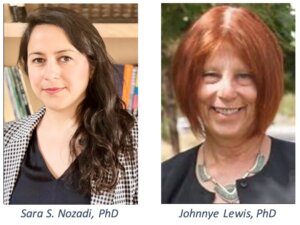
Collaborative ECHO research led by Sara Nozadi, PhD and Johnnye Lewis, PhD of the University of New Mexico, investigates whether the negative developmental effects observed in school-aged children over the course of the pandemic could also be seen in infants and toddlers. In this study, up to 15% of infants and toddlers who were developmentally on track prior to the COVID-19 pandemic showed signs of developmental delays during the pandemic. Male children showed more delays than female children, and language domain was the most affected developmental area. Additionally, families from minority communities and those with lower socioeconomic status were more likely to experience pandemic-related hardships. However, financial and social pandemic-related hardships were not associated with the individual changes observed in children’s developmental progress. This research, titled “Effects of COVID-19 financial and social hardships on infants’ and toddlers’ development in the ECHO program,” is published in International Journal of Environmental Research and Public Health.

This study included 684 children between the ages of 2 months and 4 years from eight ECHO cohort research sites across the United States. During this study, the researchers included children whose parents had filled out the Ages and Stages Questionnaire (ASQ), which uses parent-reported information to pinpoint a child’s developmental progress, within the 18-month periods before and after March 2020. Parents of participating children were also asked about financial hardship, defined as at least one parent experiencing job loss or change, or social hardships, defined as families’ quarantining from household members or extended family and friends, during the pandemic.

“This study highlights the importance of early developmental screening during times of adversity, such as pandemics, in order to identify delays and connect children to supportive services,” said Dr. Nozadi. “Previous studies have shown negative impacts of the pandemic on overall child development but have not looked at the effects of the pandemic on individual children’s development over time.”

In the future, we can follow the developmental progress of these children over time to determine whether COVID-19 hardships had an effect on children’s development over a longer period of time. Studies may also focus on pandemic-related stressors that could particularly effect infants and toddlers, such as family dynamics, parent-child interactions, and parental stress.

Read the research summary.