



ECHO Research Explores Potential Value of Nutrition Data Collected from Pregnancy Through Adolescence for Understanding Child Health

Collaborative ECHO research led by Megan Bragg, PhD, RD and Kristen Lyall, ScD of the A.J. Drexel Autism Institute highlights the opportunity for researchers to access the large amount of diet information already collected from the ECHO Cohort. This research, titled “Opportunities for examining child health impacts of early-life nutrition in the ECHO Program: Maternal and child dietary intake data from pregnancy to adolescence”, is published in Current Developments in Nutrition.

This study aimed to describe dietary intake data available in the ECHO Program as of August 2022, from pregnancy through adolescence, including estimated sample sizes, and to highlight the potential for future analyses of nutrition and child health. As of that date, 66 ECHO Cohort Study Sites across the country had collected diet information using a variety of methods, including dietary recalls, food frequency questionnaires, and questionnaires about supplement use. Diet information from these study sites is especially useful because it has been collected from a large group of diverse people, and because many families provided information more than once over the course of pregnancy and childhood.

Often, data collected on diet provide only a snapshot that can’t address how early-life diet affects later child health outcomes. The ECHO Cohort Consortium is addressing these challenges by gathering information over time about the dietary habits of individuals during pregnancy and childhood from a large, diverse group of participants.

“Researchers need information about what people eat during pregnancy and childhood from a large, diverse group of people in order to answer questions about nutrition,” said Dr. Bragg. “ECHO is unique because study sites have collected and continue to collect this information.”

Information from over 33,000 pregnancies and more than 31,000 children in the ECHO Program is now accessible to researchers. This de-identified data is publicly available to researchers through the National Institute of Child Health and Human Development Data and Specimen Hub (DASH) to encourage broad use to answer important questions about nutrition and child health.

Access the brief flash talk from one of the authors in the following video:

Read the research summary.

New ECHO Research Characterizes Children Born Preterm into Four Neurobehavioral Profiles Based on a Combination of Health Outcomes

Collaborative ECHO research led by Marie Camerota, PhD of the Warren Alpert Medical School of Brown University studies the health outcomes of children born preterm and characterizes them into four neurobehavioral profiles. This research, titled “Neurodevelopmental and behavioral outcomes of very preterm infants: latent profile analysis in the Environmental influences on Child Health Outcomes (ECHO) Program,” is published in Pediatric Research.

Birth outcomes for infants born very preterm have steadily improved over the past several decades. More children born at earlier gestational ages are surviving into childhood, however, it is unclear how being born very preterm may influence neurodevelopmental or behavioral problems.

Outcomes of children born at a gestational age of less than 33 weeks (“very pre-term”) vary significantly, with some children showing few neurodevelopmental concerns and others showing significant impairment. Most prior research has looked at single outcomes—for example, whether a child born preterm had a lower neurodevelopmental score or higher levels of behavior problems. Understanding how these different outcomes may group together can help researchers and healthcare providers provide more comprehensive treatment plans for children born very preterm.

This study included more than 2,000 babies who were born at less than 33 weeks gestational age from three ECHO Cohort Study Sites. When these children reached the age of two years, researchers conducted a neurodevelopmental assessment and a motor exam on the children while parents completed questionnaires about their children’s behavior. ECHO researchers looked for patterns in these data to understand whether there were groups of children with similar strengths and weaknesses.

Researchers found evidence for four different neurobehavioral profiles based on different combinations of cognitive, motor, and behavioral outcomes of children at the age of two. These profiles range from few or no developmental concerns to severe impairment in one or more domains. The study placed about 85% of children into one of two groups with no/mild developmental delay and a low prevalence of behavioral problems. The remaining 15% fell into one of two profiles with more serious neurodevelopmental problems with (5%) or without (10%) co-occurring behavior problems.

“This study helps us better understand outcomes for children following a very pre-term birth and shows that it is important to measure both neurodevelopmental and behavioral outcomes for children born preterm,” Dr. Camerota said. “The different groups of children we described might require different types of follow-up services or interventions. Therefore, the results of this study could potentially be used to develop personalized interventions for children following a very pre-term birth.”

More research is needed to understand why some preterm children develop neurodevelopmental and/or behavioral problems and others do not. To do this, future studies may study risk factors in pregnancy, the perinatal period, and in early infancy.

Read the research summary.


ECHO Researchers Evaluate New Scale for Measuring Pandemic-related Traumatic Stress in Children and Adults

Courtney K. Blackwell, PhD

Collaborative ECHO research led by Courtney K. Blackwell, PhD of Northwestern University evaluated COVID-19 pandemic-related traumatic stress in a large sample of children and adults. In March 2020, ECHO researchers developed the Pandemic-related Traumatic Stress Scale (PTSS) to measure stress related to the COVID-19 pandemic. The PTSS can be used to identify children and adults with higher levels of traumatic stress and who may need additional mental health support. This research, titled “Development and Psychometric Validation of the Pandemic-related Traumatic Stress Scale for Children and Adults,” is published in Psychological Assessment.

The study included 17,830 children and adults from 47 ECHO Cohort study sites representing all 50 states, Washington, DC, and Puerto Rico. Researchers split the sample into four groups including 1,656 pregnant or postpartum individuals; 11,483 adult caregivers; 1,795 adolescents aged 13 to 21; and 2,896 children aged 3 to 12.

Between April 2020 and August 2021, adolescents and adult caregivers (including pregnant or postpartum individuals) completed surveys about their pandemic-related traumatic stress, depressive symptoms, anxiety, general stress, and life satisfaction. Caregivers of children aged 3-12 reported on the behaviors observed in their child.

On average, caregivers had the highest levels of pandemic-related traumatic stress, followed by adolescents, pregnant or postpartum individuals, and children. Within these groups, the researchers found additional differences. Adolescents, females, and caregivers of children under 5 had higher PTSS scores on average than younger children, males, and caregivers of children 5 and older, respectively. Higher levels of pandemic-related traumatic stress were associated with greater symptoms of distress and lower life satisfaction.

The researchers found that the PTSS is a reliable way to measure pandemic-related traumatic stress in the context of the COVID-19 pandemic. Researchers and doctors can use this scale to distinguish general stress, depression, and anxiety from traumatic stress, helping them to identify people who may need more support to improve their mental health.

“The PTSS can be used beyond the immediate COVID-19 pandemic context,” said Dr. Blackwell. “Unlike previous measures that capture traumatic stress reactions to a single event, the PTSS was developed to evaluate potential traumatic stress reactions to ongoing large-scale threats. In the future, the PTSS could be adapted to evaluate reactions to other acute onset stressors with lengthy durations.”

Read the Research Summary.

New ECHO Research Finds No Link Between “Accelerated” Biological Age and Behavioral and Emotional Health Outcomes in Children

Collaborative ECHO research led by Christine Ladd-Acosta, PhD and Heather Volk, PhD, MPH, of Johns Hopkins Bloomberg School of Public Health, investigates the association between accelerated biological age at birth and children’s health outcomes. This research, titled “Accelerated epigenetic age at birth and child emotional and behavioral development in early childhood: A meta-analysis of four prospective cohort studies in ECHO,” is published in Epigenetics.
Previous studies have shown a potential link between early identification and intervention in the development of emotional and behavioral health challenges in children and better long-term health outcomes. Recently, researchers have begun looking at how epigenetic factors affect children’s biological age and health outcomes.

A molecular process known as DNA methylation, or DNAm, adds a tag to DNA to control gene expression. Researchers measure DNAm to estimate a person’s biological age and compare it with their chronological age to better understand the factors that may influence their long-term health outcomes.  In this study, ECHO researchers looked at the link between biological age at birth, the time between conception and birth (chronological gestational age), and emotional and behavioral health outcomes in children.

The study included 592 children at four ECHO research sites in the United States. Researchers calculated each child’s biological age by analyzing DNA samples collected at birth, and they compared this age to the child’s chronological gestational age. They then tested whether newborns who showed increased biological age relative to their chronological age (“accelerated aging”) were more likely to have emotional and behavioral problems in early childhood.

The study indicates that differences between biological age at birth and chronological gestational age are not linked to emotional and behavioral problems in childhood. This study also did not find any difference between boys and girls in terms of the effect of “accelerated” biological age on behavioral and emotional outcomes.

“This study suggests that biological age has no impact on child emotional and behavioral problems in early childhood,” Dr. Ladd-Acosta said. “These results highlight that future research is needed to look into how other biological factors at birth may influence neurodevelopmental health outcomes in early childhood.”

Future studies may use larger sample sizes to replicate this study and further confirm the findings. The relatively small sample size of this study may have made it difficult to observe differences in behavioral or emotional outcomes based on child sex. Future research with larger samples could help investigate potential differences in the results between boys and girls.

Read the research summary.

New ECHO Cohort Research Finds Some Teens with Disabilities May Have Been More Vulnerable to Social Disruptions During COVID-19 Pandemic

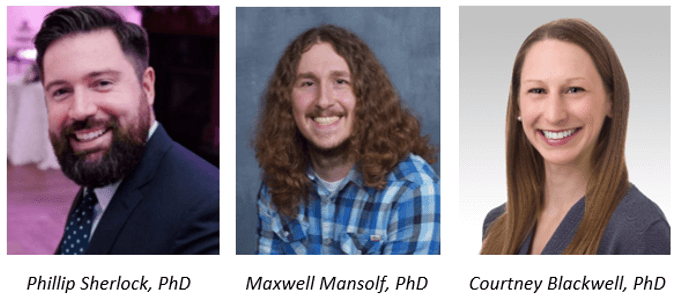
Collaborative ECHO Cohort research led by Phillip Sherlock, PhD; Maxwell Mansolf, PhD; and Courtney Blackwell, PhD of Northwestern University investigates the COVID-19 pandemic’s impacts on adolescents’ mental health. The findings suggest that some teens with a history of depression, anxiety, autism and ADHD experienced more severe impacts than those without. This research, titled “Life Satisfaction for Adolescents with Developmental and Behavioral Disabilities during the COVID-19 Pandemic,” is published in Pediatric Research.
Although researchers have looked at how the COVID-19 pandemic affected the mental health of children of all ages, few studies have examined the pandemic’s impact on children and teens with pre-existing mental, emotional, behavioral, and developmental (MEBD) disabilities such as depression, anxiety, ADHD, and autism spectrum disorder.

Health policies implemented to prevent the spread of COVID-19 disrupted normal activities for children and families. Schools paused in-person learning, extracurricular activities were canceled, and stay-at-home orders meant children spent more time quarantined with family members instead of engaging with friends and peers.

Adolescence is a critical period for social development. Researchers aimed to identify the groups of adolescents most affected by the pandemic to provide mental health practitioners, pediatricians, and family physicians with better information on potential intervention and prevention practices particularly vulnerable adolescents in the future.

This study included data collected from 1,084 adolescents ages 11–21 years old and their caregivers and included individuals with and without disabilities from seven ECHO observational research sites in the U.S. In addition to using existing ECHO Cohort data about adolescents and their families, researchers administered a COVID-19-specific survey to better understand the physical, mental, and social impact of the pandemic on young people and their families.

This study found that when exposed to certain stresses during the COVID-19 pandemic, adolescents with a history of depression, anxiety, autism spectrum disorder, or ADHD had lower life satisfaction compared to their peers. These stressors included social isolation, stress related to medical care access and fears about the pandemic, and living in a single-caregiver household. Additionally, 80% of adolescents, regardless of pre-existing conditions, reported decreases in social connectedness during the COVID-19 pandemic. Although the negative effects of decreased social connectedness were amplified among adolescents with MEBD disabilities, this risk factor was widespread among the majority of adolescents.

“This study allowed us to identify the groups of adolescents with disabilities who are most vulnerable and may need additional support during future emergencies,” Dr. Sherlock said. “This study also highlights the importance of interventions aimed specifically at increasing social connectedness, family engagement, and access to medical support for all adolescents, and especially for those with disabilities.”

This study revealed potential differences between adolescents with disabilities and their peers in terms of life satisfaction. Future research might include studies that focus on the vulnerable subgroups identified in this study. Future studies may also investigate the long-term effects of decreased social connectedness and other risks resulting from the COVID-19 pandemic during developmentally critical time periods.

Read the research summary.

New ECHO Research Suggests Maternal Sleep During Second Trimester of Pregnancy May be Associated with ADHD Symptoms and Sleep Problems in Children

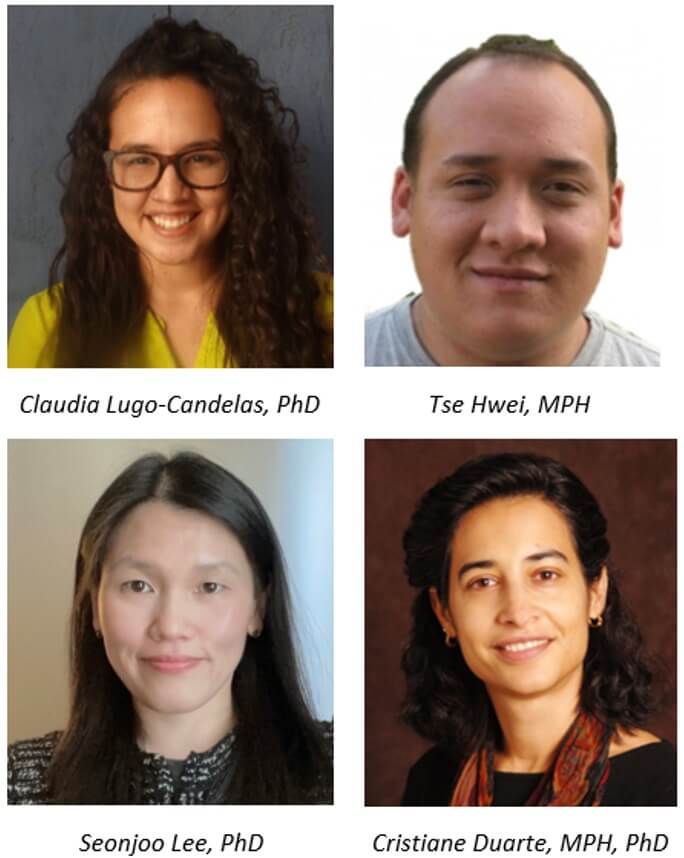
Collaborative ECHO research led by Claudia Lugo-Candelas, PhD, Tse Hwei, MPH, Seonjoo Lee, PhD, and Cristiane Duarte, MPH, PhD of the Columbia University Irving Medical Center and New York State Psychiatric Institutes investigates the effect of prenatal sleep on children’s health outcomes, including neurodevelopment disorders and sleep quality. This research, titled “Prenatal sleep health and risk of offspring ADHD symptomatology and associated phenotypes: A prospective analysis of timing and sex differences in the ECHO Cohort,” is published in The Lancet Regional Health – Americas.

Sleep difficulties are common in pregnancy. Poor prenatal sleep may relate to negative outcomes for both parent and child, including pregnancy complications and certain birth outcomes. The impact of poor prenatal sleep may also extend beyond pregnancy and birth and may increase the risk for neurodevelopment disorders in offspring, particularly attention-deficit/hyperactivity disorder (ADHD).

In this study, ECHO researchers aimed to study potential associations between poor prenatal sleep and an increased risk of ADHD symptoms and sleep problems in offspring. The research team used data from 794 mother-child pairs across five ECHO research sites and all enrolled pairs with available prenatal sleep and offspring ADHD assessments before age 7 were included. The pregnant participants reported on their sleep during pregnancy using self-report questionnaires and reported on children’s symptoms and behaviors when children were between 3 and 5 years old. The study assessed the children’s ADHD symptoms and associated characteristics using the Child Behavior Checklist Preschool Version, a widely used parent report that measures behavior problems in children.

The study found that prenatal sleep quality and duration, particularly in the second trimester, appeared related to children’s risk for ADHD, emotional reactivity, and sleep problems at age 4. Longer sleep duration in the second trimester was associated with fewer ADHD symptoms in children. Poorer sleep quality scores in the second trimester were associated with greater offspring ADHD symptomatology. Shorter duration and poorer quality of sleep during the second trimester were also associated with more sleep difficulties in children.

“This study extends prior work by examining the associations between self-reported prenatal maternal sleep health and offspring ADHD symptoms in early childhood in a large, socio-demographically diverse sample,” Dr. Lugo-Candelas said. “This study was also the first looking to understand if sleep at a particular time in pregnancy is specifically related to offspring outcomes. Our research suggests we need to better study the role of sleep in pregnancy on both the health of the pregnant woman and their offspring to understand these potential associations.”

Future studies are needed to replicate these findings, as well as investigate the possible mechanisms. Poor sleep may impact inflammation in pregnancy and offspring development, but studies have not examined that association.

Read the research summary.

ECHO Researchers Find Different Rhinoviruses Can Provide Limited Protection Against Each Other

Collaborative ECHO research led by Yury Bochkov, PhD and James Gern, PhD of the University of Wisconsin at Madison investigates similarities and differences in the immune responses to two types of rhinovirus—RV-A and RV-C. This research, titled “Rhinoviruses A and C elicit long-lasting antibody responses with limited cross-neutralization,” is published in the Journal of Medical Virology.

Of the three species of rhinoviruses (A, B, and C) that can cause upper respiratory illnesses, RV-A and RV-C are more likely to cause wheezing illnesses in preschoolers and in children and adults who have asthma.  No specific vaccines for these viruses exist yet, in part because the large range of rhinovirus strains makes vaccine development difficult. The goal of this study was to test whether RV-C infections are more likely than RV-A infections to induce long-lasting antibodies that can protect against other RV-C strains.

Over 4,000 children ages 0 to 19 were enrolled in 14 independent studies across Australia, Finland, and the United States. The studies included healthy participants as well as those with asthma and RV illnesses of varying severity. Researchers found that while protective antibody responses to RV-C last for several years, they have only modest cross-species protection that is limited to genetically similar viruses.

“These findings suggest that vaccines against RV-C might need to include many of the most common RV-C types to offer broad protection,” Dr. Bochkov said.

Researchers would also like to determine why RV-C infections occur so frequently, and why they are more likely to cause wheezing illnesses. The ultimate goal of these studies is to help researchers design a practical RV-C vaccine that could protect high-risk children.

Read the research summary.

New ECHO Research Reveals Communication, Collaboration, and Team Science Are Central to the Success of Large, Multi-Site Research Programs

Collaborative ECHO research led by Elissa Faro, PhD, of the University of Iowa, investigates what factors contribute to the success of large, multi-site research programs, like ECHO. The research team interviewed 24 ECHO investigators and staff, and found that communication and working as a team were important for successful collaboration. Most interviewees expressed a desire for more opportunities for direct connection, learning, and sharing with their colleagues. Overall, respondents felt the ECHO Program excels at conducting solution-oriented, high-impact child health research, but also that the Program has an opportunity to further improve communication, collaboration, and decision-making across its vast network of sites and components. This research, titled “A Mixed-Methods Analysis to Understand the Implementation of a Multi-stakeholder Research Consortium: Environmental influences on Child Health Outcomes (ECHO),” is published in the Journal of Clinical and Translational Science.
Large research collaboratives often have more success than single investigators conducting research alone. They produce more publications in journals with higher impact factors that result in more citations and continued research opportunities. As a result, funding agencies continue to increase their support for large, transdisciplinary research groups to address complex and challenging health problems. The National Institutes of Health’s (NIH) ECHO Program developed multi-site collaboration strategies to promote high-impact, collaborative, observational research on child health. Few studies have investigated the perspectives of researchers and staff of large research projects like ECHO, and many questions remain about what factors influence the success of team science. To address these questions, ECHO researchers sought to develop an in-depth understanding of the elements and conditions that influence the implementation of observational research in the ECHO Program.

In early 2022, researchers conducted 24 virtual interviews. The research team interviewed internal stakeholders from ECHO study sites and components, seeking broad representation of research and administrative roles across ECHO. Most interviewees were affiliated with an ECHO study site, but the research team was also able to gather the perspectives of all ECHO Program components except for the Human Health Exposure Analysis Resource (HHEAR)—the ECHO component responsible for testing samples from ECHO participants to help researchers assess the effects of chemical exposures—and the NIH.

The research team developed a semi-structured interview guide, and analyzed both the quantitative and qualitative data collected to understand how individual researcher’s experiences and perspectives reflect the overall implementation of the ECHO Program. As part of this analysis, the researchers tracked metrics organized around four central goals: (1) enrolling and retaining a large and diverse group of participants in ECHO to answer key scientific questions; (2) collecting high-quality data and making it available for analysis; (3) collecting, storing, and using biospecimen samples and data; and (4) publishing and disseminating high-quality, impactful science. These metrics provide complementary, quantitative assessment of ECHO implementation and progress toward key goals and priorities.

This study contributes insight on the implementation of large, multidisciplinary research consortium, and these lessons may be transferable to other large research consortia.

“ECHO researchers highly value team science, co-learning, and collaboration,” Dr. Faro said. “The range of experiences across the program suggests that best practices for large research ventures like ECHO may not be one-size-fits-all but may instead need to be tailored for different groups.”

Read the research summary.

New ECHO Research Identifies Best Epigenetic Tests to Use for Different Pediatric Tissue Samples

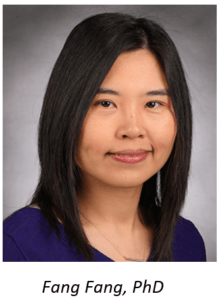
Collaborative ECHO research led by Fang Fang, PhD, of the Genomics and Translational Research Center of RTI International evaluates multiple epigenetic clocks to test their accuracy when used to predict the biological age of children. This research, titled “Evaluation of Pediatric Epigenetic Clocks Across Multiple Tissues,” is published in Clinical Epigenetics.

DNA methylation, or DNAm, is a molecular process that adds a tag to the DNA that can control gene expression. Certain well-studied DNAm have been associated with many age-related chronic diseases, including aging itself.

Researchers have developed biochemical models called epigenetic clocks that use DNAm to estimate an individual’s biological age. Scientists have studied these clocks in adult populations in whom accelerated biological age (DNAm-predicted age older than actual chronological age) seems strongly connected to age-related health complications. However, epigenetic clocks for pediatric populations have only recently been built. To understand how these clocks perform in different tissue types and developmental stages, researchers used data from 3,789 children from 20 ECHO research sites to conduct a comprehensive evaluation on seven of these epigenetic clocks—Horvath, Knight, Bohlin, Lee, Mayne, PedBE, and NeoAge—all of which researchers developed for different purposes and tissue types.

The study evaluated each clock to their corresponding tissues, and then compared them across different tissue samples. After comparing the suitability of various epigenetic clocks for each tissue type, researchers evaluated their performance across diverse populations. This evaluation included comparing epigenetic clocks between preterm and term infants within the same tissue type, across different self-reported racial groups, between males and females, and across different tissue types within the same set of participants.

The results of this study suggest that the best epigenetic clock to use depends on the type of sample being studied. For example, the Bohlin and Knight clocks were very similar when predicting gestational age from blood cell samples; the Lee clock outperformed the Mayne clock in predicting gestational age from placental samples; and the PedBE clock was more accurate than the Horvath clock at predicting chronological age from buccal cells. However, the Horvath clock was better at predicting chronological age when using blood cells samples.

The study results suggest the importance of researchers choosing the appropriate clock depending on the focus of their study, and provides practical recommendations for selecting the most appropriate epigenetic clock in different research contexts. The findings of this study may help scientists make better research tools, improving child health research.

“It is important for scientists to understand how these clocks perform in different tissue types and developmental stages throughout early life to ensure they are designing studies appropriately and then correctly interpreting the results of these studies,” Dr. Fang said.

Future studies may use the various epigenetic clocks as recommended to check the health of babies and children. However, researchers should interpret this data with caution as it pertains to conclusions about the performance of specific epigenetic clocks in pediatric populations with varied health backgrounds. In addition to practically applying the recommendations provided by this research, future studies may also examine the effects of genetics on the performance of different epigenetic clocks.

Read the research summary.

New ECHO Cohort Suggests Bias in Child Behavior Assessment Tool

Collaborative ECHO Cohort research led by Shuting Zheng, PhD, of the University of California, San Francisco, Maxwell Mansolf, PhD, of Northwestern University, and Somer Bishop, PhD, of the University of California, San Francisco suggests that scores from a commonly used measure of behavior problems in young children may be skewed depending on the primary language, education, and sex of the caregiver who fills out the survey.  This research, titled “Measurement Bias in Caregiver-Report of Early Childhood Behavior Problems across Demographic Factors in an ECHO-wide Diverse Sample,” is published in the Journal of Child Psychology & Psychiatry Advances.

Behavior problems observed in a young child can provide information on that child’s risk for certain developmental conditions and later mental health issues. A valid and unbiased measure of childhood behavior can help researchers and clinicians answer questions about the development of behavior problems in children from different backgrounds.

The Child Behavior Checklist 1.5-5 (CBCL) is a commonly used, caregiver-reported measure of internalizing (e.g., anxious) and externalizing (e.g., aggressive) behavior problems in children ages 1.5 to 5 years. Researchers wanted to find out if scores from this test could be affected by demographic factors such as the child’s age or the caregiver’s sex, education level, and primary language, even after accounting for mental health disparities between these groups. The research team’s goal for this study was to identify factors contributing to measurement bias and identify a subset of questions on the CBCL that were less impacted by bias but still reliably captured childhood behavior problems.

The study included caregivers of over 9,000 children between the ages of 18 to 71 months from 26 ECHO study sites across the United States. The data collected was used to evaluate how the characteristics of the child and the caregiver influence the caregiver responses to the CBCL questions. Researchers found that caregiver or child demographic factors affected caregiver responses to many questions on the CBCL. The language (English vs. Spanish) the caregiver used to complete the survey contributed most to measurement bias, followed by their education level and sex. The child’s age and race also influenced caregiver responses to many CBCL questions.

Researchers then selected the CBCL questions that showed the least amount of bias and compared how well they worked to evaluate childhood behavior problems when compared to the full CBCL survey. The researchers also mapped the scores from the less biased question sets to the scores provided by the full item sets, allowing users to derive comparable scores to the original CBCL scale.

Read the research summary.