


10 Years of ECHO:
Advancing Child Health Research
Since 2016, the ECHO Program has brought together researchers, families, and communities to better understand how a broad range of early life experiences shape children’s health and development. What began as an effort to answer questions no single study could tackle alone has grown into the nation’s largest longitudinal child health research program, with data from more than 170,000 children and adults from all 50 states, the District of Columbia, and Puerto Rico, along with partnerships with Tribal Nations.
ECHO’s national reach provides an extraordinary opportunity to study children’s health across communities and over time. Over the past decade, this national collaboration has generated important discoveries, created resources for the broader community, and expanded what researchers can learn about how experiences early in life may influence health throughout childhood and beyond.
As ECHO marks its first decade, we look back at the questions that launched the Program, the people and partnerships that have made its progress possible, what we have learned along the way, and the opportunities ahead to enhance the health of children for generations to come.
A Look Back and a Look Ahead
Former ECHO Program Director, Matt Gillman, MD, SM, who guided ECHO through its first decade, reflects on the vision that launched the ECHO Program, the progress made over the past decade, and the opportunities ahead.
Why ECHO Matters
ECHO was created to answer child health questions that are too large and too complex for any smaller study or single research site to address alone. By following children and families over time and looking across environments, communities, and life stages, ECHO helps researchers understand what shapes health for generations to come.
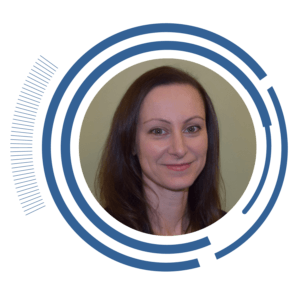
“There's no other US study like it.
It's this enormous data set of child health outcomes.
When an ECHO publication comes out, people pay
attention and it's a trusted resource.”
- Kristen Lyall, ScD, Principal Investigator, AJ Drexel Autism Institute
Building ECHO
Building ECHO meant creating more than a research study. It required a nationwide network, shared systems, harmonized data, and a common purpose among investigators, staff, and participants working across the country.
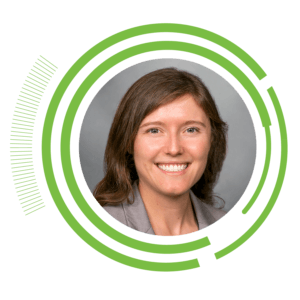
“[ECHO] is an incredible undertaking. It's a partnership of NIH and many academic sites bringing together all of these different [study] sites into one unified cohort.”
- Jennifer Ames, PhD, MS, Research Scientist, Kaiser Permanente Division of Research
Growing the Science
As the ECHO Cohort has grown, so has the science it makes possible. Its longitudinal data and cross-disciplinary expertise allow researchers to study health trajectories, environmental influences, emerging events, and real-world exposures in ways smaller studies cannot.
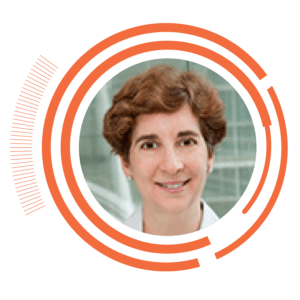
“Now we can really look at far more new, novel questions we couldn't do before."
Rachel Miller, MD, Principal Investigator, Columbia Center for Children's Environmental Health
People Behind the Research
Behind the ECHO Cohort’s data are people working together across disciplines, institutions, and communities. Investigators, staff, coordinators, data teams, and participants help turn many small contributions into one shared national resource for child health.
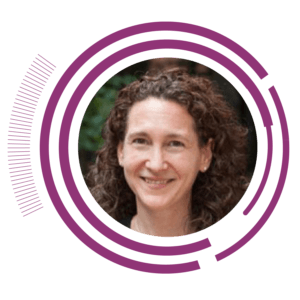
“... the systems are important, but I think it's the people and the relationships that are the most important."
Julie Herbstman, PhD, MSc, Principal Investigator, Columbia University Medical Center
People Behind the Research
Families who participate in ECHO Cohort research make the program’s work possible. By sharing their experiences over time, they help researchers better understand children’s health and ensure the research reflects the priorities and perspectives of families. Through the Participant Action Board, participants also provide input that helps shape ECHO’s work and how the program engages with families. Their stories reflect the trust built over time and the value of contributing to a larger research effort.

“The study has become a unique record of my own child’s growth and development that I wouldn’t get otherwise in this detail with my regular pediatrician."
Tracey Bullock, MS, Participant
What Participation Makes Possible
ECHO depends on the commitment of families and participants who continue to share their time, experiences, and data. Their involvement makes it possible to follow children as they grow, identify changing health priorities, and help inform programs, policies, and practices.
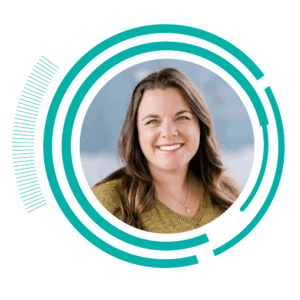
“I hope the work we're doing continues to influence ideas and practices, and future research and innovations, because children's health isn't just clinical care."
Christa Friedrich, EdD, MS, Director of Research Operations, Avera Research Institute
Looking Ahead
In its next decade, the ECHO Cohort will build on its size, diverse population, and long-term follow up to answer questions smaller studies cannot tackle alone. By expanding research into influences before conception and continuing to follow children as they grow, ECHO can identify both risks and protective factors—including what supports resilience and well-being. These insights can help inform future healthcare programs, policies, and practices that enhance children’s health for generations to come.
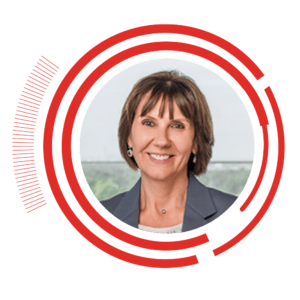
“The most important thing is to continue this longitudinal assessment of risk and protective factors against chronic disease in children—to promote well-being, to promote health, and not just the absence of disease."
Dana Dabalea, Multiple Principal Investigator Colorado Pediatric Site
Up Next:
Explore the milestones that shaped ECHO’s first decade—and built the foundation for what comes next.