





Building on a foundation of coordination and collaboration
The NIH Environmental influences on Child Health Outcomes Program has two main components—observational research through the ECHO Cohort and intervention research through the ECHO IDeA States Pediatric Clinical Trial Network.
This 2025 year in review focuses on the observational arm, which comprises 45 research awards and their study sites, three cores or data collection and analysis centers, and one coordinating center.
In 2025, the ECHO Cohort continued to build on a foundation of coordination and collaboration—demonstrating how a cohesive consortium fuels steady progress toward understanding the many factors that influence child health. Through its focus on early environmental influences—from family support and nutrition to physical and chemical exposures—the ECHO Cohort advances knowledge that can enhance the lives of children today and across generations.

Shared systems, communications, and resources – one cohesive team

The ECHO Cohort Consortium’s success depends on coordination—shared systems, communications, and resources that enable the ECHO Cohort, cores, and coordinating center to work together to enhance the health of children for generations to come.
In 2025, that coordination continued to strengthen through the standardized collection and integration of data and biospecimens.
- The ECHO Cohort Study Sites collect data in a standardized way across 75+ sites in 42 states, the District of Columbia, and Puerto Rico, ensuring information can be combined for ECHO-wide research
- The Lab Core processed biospecimens gathered at study sites nationwide.
- The Data Analysis Center received these standardized data and prepared them for use in ECHO-wide analyses.
- The Measurement Core supported this work by capturing person-reported outcome information and coordinating the process for updating, approving, and using these measures in studies across the consortium.
Behind every milestone and study is a steady flow of information that keeps the ECHO Cohort Consortium aligned and moving forward together.


Amplifying ECHO’s reach and laying a stronger foundation for future discoveries
In 2025, the power of coordination across the ECHO Cohort Consortium was evident in every milestone—from national media coverage to new scientific collaborations and community engagement. These achievements reflect how the combined efforts of the research teams, the Coordinating Center and cores, and participants amplify ECHO’s reach and lay a strong foundation for future discoveries. Each highlight demonstrates how teamwork across the consortium brings ECHO science to varied audiences and connects research to real-world understanding.
ECHO in the national spotlight
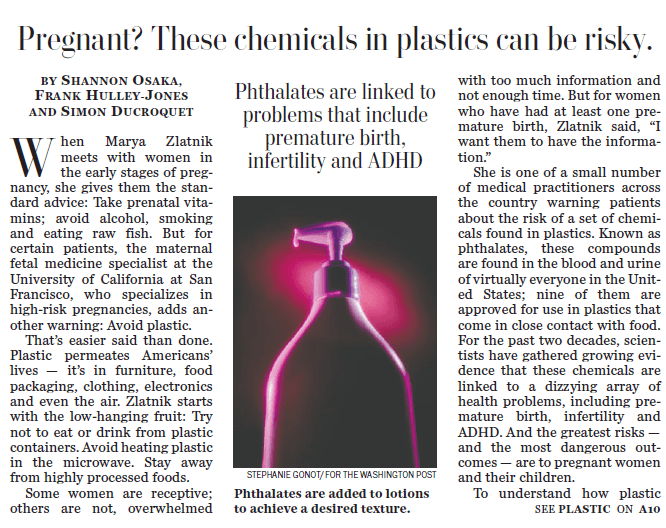
ECHO science received national attention this year through a feature in The Washington Post. Participants and researchers joined forces to share how ECHO studies inform understanding of chemical exposures and child health, connecting the science to real families and communities.
Inaugural ECHO Symposium
The National Institutes of Health (NIH) Environmental influences on Child Health Outcomes (ECHO) Program held its inaugural ECHO Symposium: Translating Science to Action on September 15, 2025. The Symposium included three sessions on the topics of Chemical and Exposures, Social and Neighborhood Factors, and Community Experiences. More than 1,000 representatives of professional societies, advocacy groups, federal partners, state and local governments, research participants, and more attended the Symposium in person and online.
ECHO Discovery
The ECHO Discovery webinar series continued to engage the broader scientific and clinical community, featuring investigators from across the ECHO Cohort. Each session highlighted new findings, shared resources, and helped translate ECHO science for researchers, clinicians, and other partners.
In 2025, ECHO Discovery hosted nine webinars covering topics such as paternal influences on child health, wildfire smoke and air quality, early childhood growth and eating behaviors, dietary patterns and chemical exposures during pregnancy, DNA methylation, fertility and subfecundity, stakeholder engagement in pediatric disability research, and early developmental assessment tools.
View past ECHO Discovery webinars and explore upcoming topics here.
ECHO OIF projects
The ECHO Coordinating Center celebrated 12 early-career investigators who received funding through the Opportunities and Innovation Fund (OIF). These investigators advanced new research, tools, and technologies across ECHO, focusing on scientific priorities and innovations in study operations.
ECHO ancillary studies
ECHO provided the broader scientific community with new opportunities to access cohort data and biospecimens through ancillary studies. These opportunities allowed investigators to explore a wide range of scientific topics, from early environmental influences on child health to identifying sensitive developmental periods and testing innovative strategies to improve outcomes.
ECHO autism research
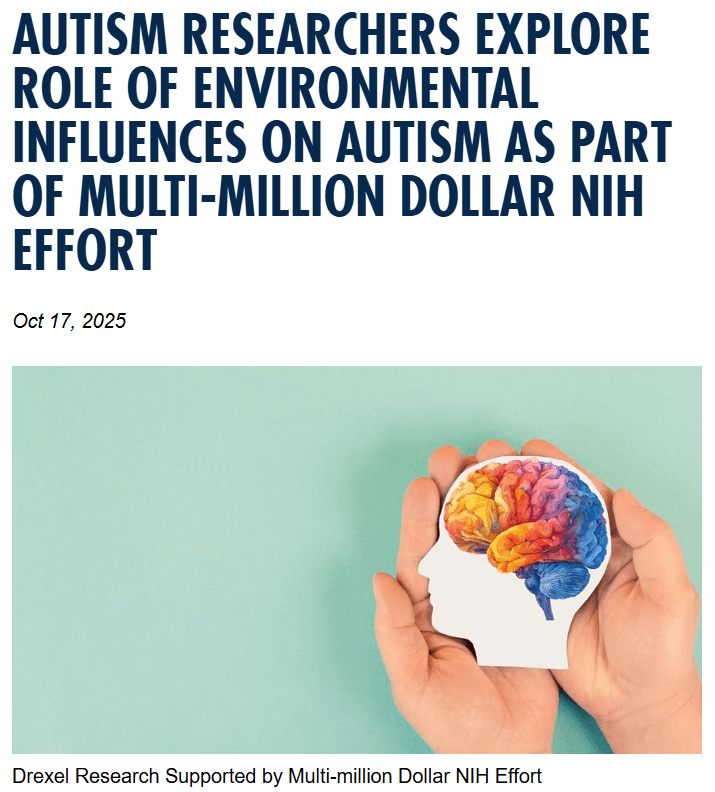
ECHO is contributing to the Autism Data Science Initiative, a research effort that will harness large-scale data resources, such as the ECHO Cohort, to explore the causes and rising prevalence of autism spectrum disorder.

Publications, participant enrollment, analysis proposals, and more
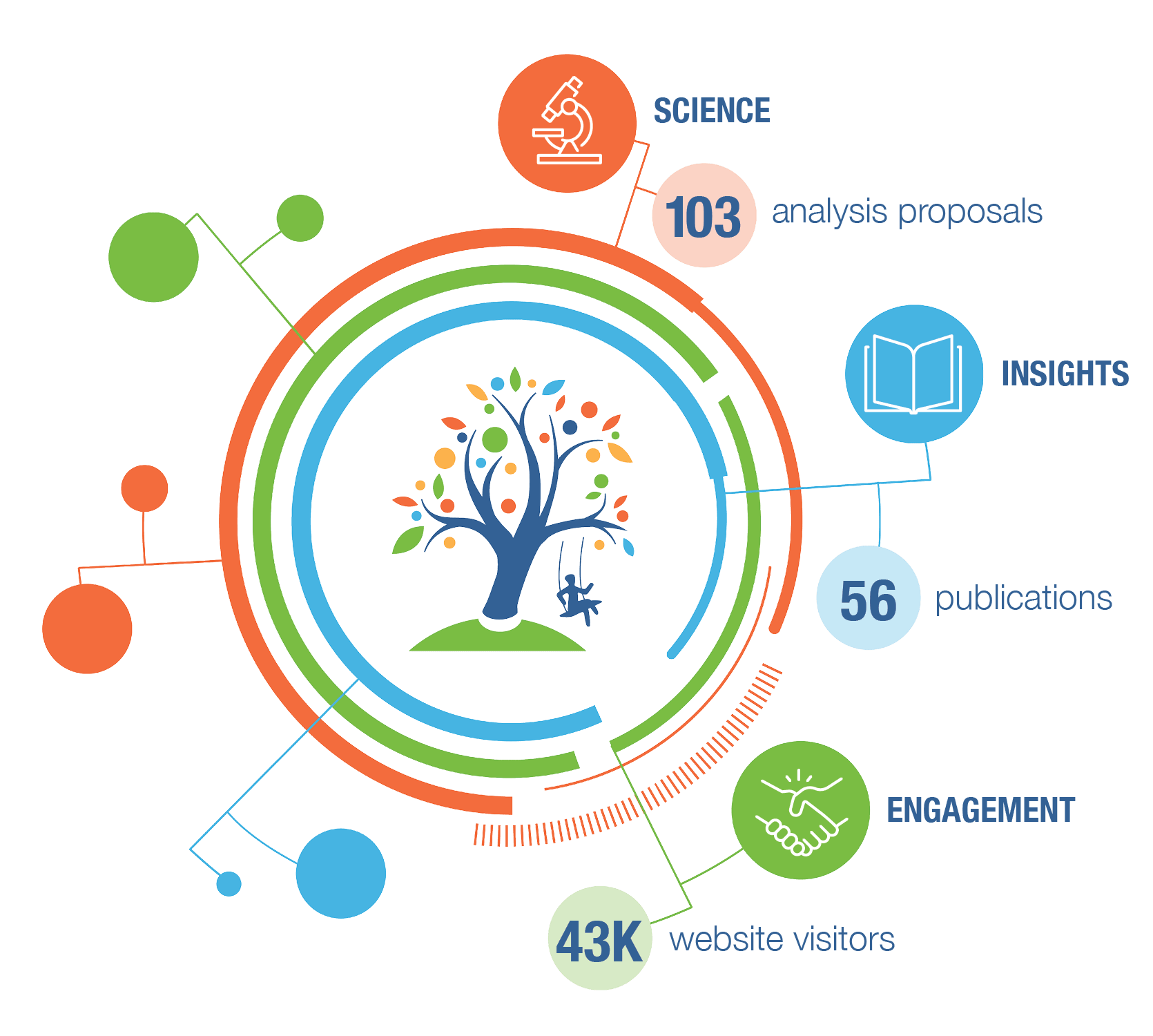
ECHO’s 2025 impact can be seen in the numbers that reflect the program’s activity and engagement over the past year. Publications, participant enrollment, analysis proposals, and biospecimen and data collection illustrate the scope of ECHO’s scientific work, while website and social media metrics highlight its continued connection to public and professional audiences.

ECHO Cohort research and reach
ECHO Cohort researchers published 56 studies. Through coordinated messaging across the Consortium, ECHO promoted the science through the website, the Connector newsletter, LinkedIn, and X. These platforms amplify stories of collaboration and discovery, helping participants, researchers, and the public see their role in child health research.
ECHO Cohort growth
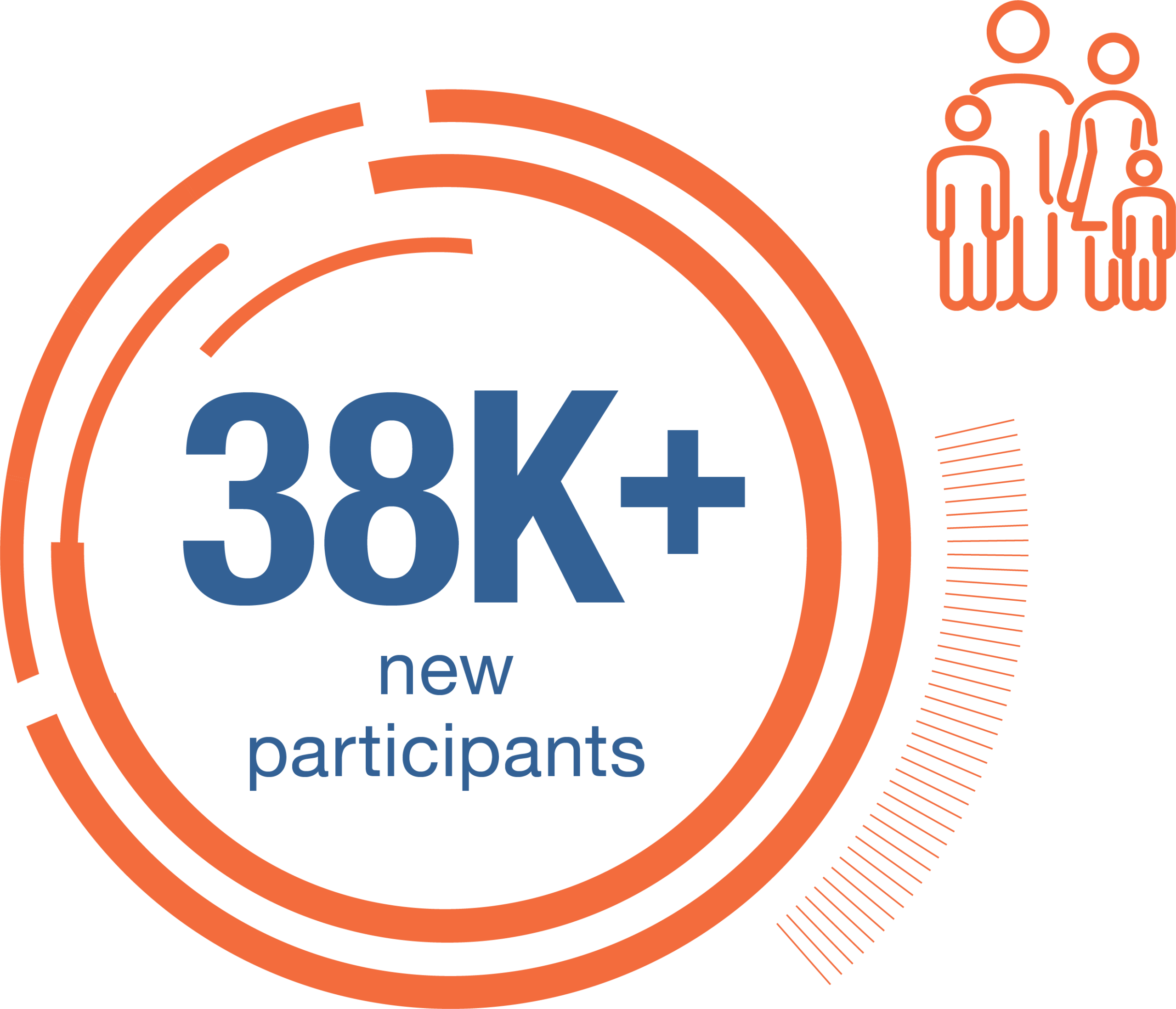
The Cohort includes data from about 150,000 families and children. This year, the Cohort added 38,277 participants who are contributing data and biospecimens.
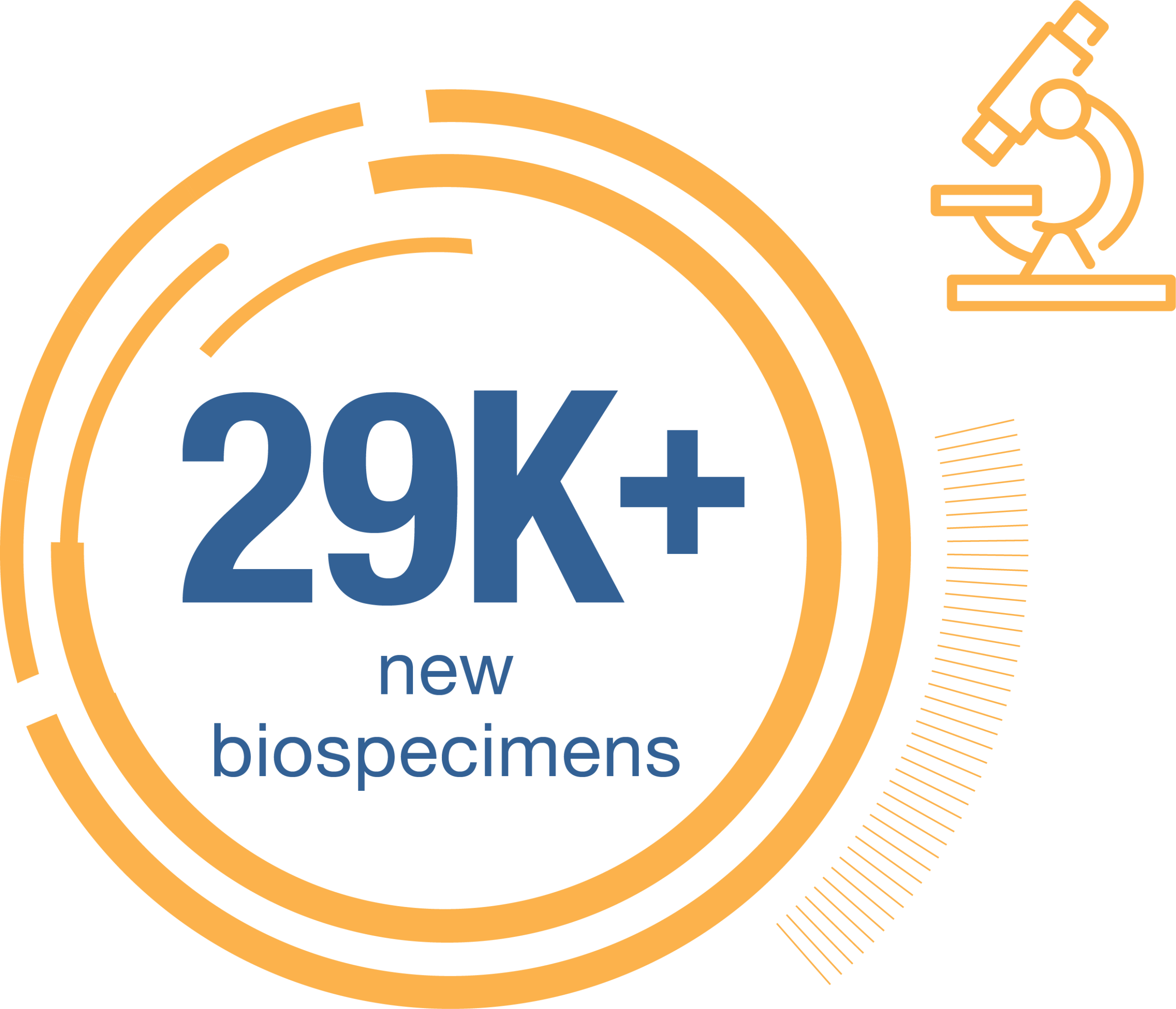
Momentum continues as the collection of biospecimens —blood, hair, teeth, and other samples — grew from 13,619 to 29,000+ over the year. ECHO has now gathered 568,782 individual pieces of information collected through surveys that capture family background, environments, and children’s health and development.



Participants, investigators, and leaders share their perspectives on ECHO
Beyond the data, ECHO’s impact is reflected in voices from across the consortium. Hear from a participant and an investigator what makes ECHO uniquely valuable.