<< Back to Research Summaries
ECHO Study Finds Disparities across Racial, Ethnic Groups in Sleep Duration, Quality During Pregnancy
Author(s): Maristella Lucchini, et al.
Who sponsored this study?
This research was supported by the Environmental influences on Child Health Outcomes (ECHO) program, Office of The Director, National Institutes of Health.
What were the study results?
Non-Hispanic Black/African American participants slept less and reported more sleep disturbances compared with non-Hispanic White participants. Hispanic participants slept longer, had better sleep quality, and fewer sleep disturbances compared with non-Hispanic White participants.
Footnote: Results reported here are for a single study. Other or future studies may provide new information or different results. You should not make changes to your health without first consulting your healthcare professional.
What was the study's impact?
This study is the first to investigate and report differences in pregnant individuals’ sleep quality across racial and ethnic groups. If these results are replicated in other studies, they may suggest the need for targeted interventions to improve sleep health in pregnancy.
Why was this study needed?
Pregnant women from racial/ethnic minority groups are more likely to experience complications during pregnancy, and poor sleep during pregnancy is known to increase the risk of poor maternal health. People from racial/ethnic minority groups often experience worse sleep compared to non-Hispanic White people, but little is known about differences in sleep during pregnancy.
The objective of this study was to examine whether sleep differences during pregnancy among racial/ethnic groups was a factor that contributed to racial/ethnic disparities in overall maternal health outcomes.
Who was involved?
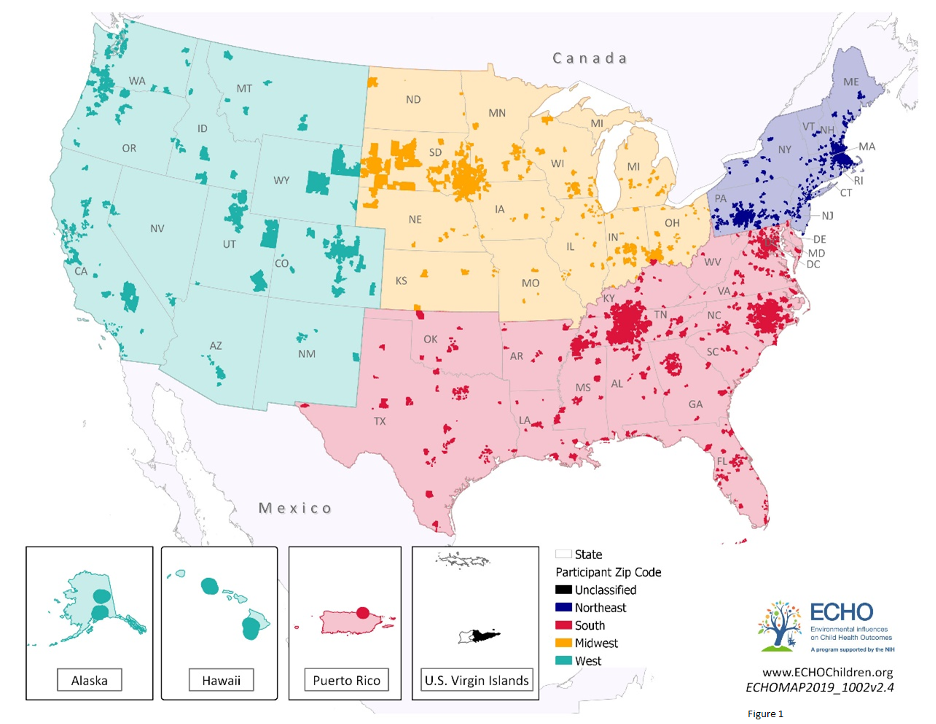
Researchers analyzed information from 2500 pregnant individuals from 14 ECHO cohorts across the United States who reported on their sleep habits during pregnancy. Participants self-reported race and ethnicity were grouped into Hispanic, non-Hispanic White, non-Hispanic Black/African American, and non-Hispanic Asian individuals.
What happened during the study?
Participants completed questionnaires during pregnancy to report on their sleep duration, quality, and disturbances. Other information collected included maternal education level, pre-pregnancy weight, height, and age.
The researchers evaluated the association between sleep duration, quality, and disturbances in each pregnancy trimester across racial/ethnic groups.
What happens next?
Future studies should research what factors contribute to these sleep disparities at a personal level, family level, and beyond. They should also explore to what extent differences in sleep duration, quality, and disturbances might contribute to disparities in maternal and child health outcomes across racial/ethnic groups.
Where can I learn more?
Access the full journal article, titled “Racial/ethnic disparities in subjective sleep duration, sleep quality and sleep disturbances during pregnancy: an ECHO study” in Sleep.
The content is solely the responsibility of the authors and does not necessarily represent the official views of the National Institutes of Health.
Published June 21, 2022
Read More Research Summaries
The influence of sleep on children’s well-being
Author: Courtney K. Blackwell
The Relationship between Neighborhoods and Asthma Occurrence in Children
Author(s): Antonella Zanobetti, Patrick H. Ryan, et al.
Which Children Develop Asthma in the US
Author(s): Christine Cole Johnson and Aruna Chandran