





1. To assess the state of the science, research gaps, and opportunities related to how preconception exposures may influence child health outcomes.
2. To discuss how to overcome operational challenges in conducting preconception cohort studies.
Day 1: 10:00-4:15
10:00-10:10 AM Eastern Time
Introductions/Setting the stage
Matthew W. Gillman, MD, SM
S. Sonia Arteaga, PhD
Environmental Influences on Child Health Outcomes (ECHO)
Office of the Director, National Institutes of Health
10:10-10:25 AM Eastern Time
Welcome
Francis S. Collins, MD, PhD
Director
National Institutes of Health
Theme 1: Lifestyle Factors/ObesityModerator: Drew Bremer (NICHD)
|
10:25-10:30 AM Eastern Time
Brief introduction to theme
Drew Bremer, MD, PhD
National Institute of Child Health and Human Development (NICHD)
10:30-10:50 AM Eastern Time
Preconception Sleep and Physical Activity- Possible Links with Child Health Outcomes?
Elizabeth (Tizzy) Hatch, PhD, MS
Boston University School of Public Health
10:50-11:10 AM Eastern Time
Impact of Preconception Weight Loss on Child Health Outcomes
Erin LeBlanc, MD, MPH
Kaiser Permanente Center for Health Research
11:10-11:30 AM Eastern Time
Preconception nutrition to optimize offspring life chances
Keith Godfrey, FRCP, PhD
University of Southampton
11:30-11:50 AM Eastern Time
Embryonic development
Tom Fleming, PhD
University of Southampton
11:50-12:40 PM Eastern Time
Theme 1 Discussion (3 minute introduction per discussant)
Discussants:
Lucilla Poston, CBE, PhD
King’s College London;
Pat Catalano, MD
Tufts University School of Medicine, Tufts Medical Center;
Chandra Jackson, PhD, MS
National Institute of Environmental Health Sciences
12:40-1:10 PM Eastern Time LUNCH
Theme 2: Recruitment/Study DesignModerator: Christina Park (ECHO)
|
1:10-1:15 PM Eastern Time
Brief introduction to theme
Christina Park, PhD
Program Officer, ECHO Cohorts NIH
1:15-1:20 PM Eastern Time
Recruitment, planning, fecundity
Joe Stanford, MD, MSPH, CFCMC
University of Utah
1:20-1:25 PM Eastern Time
Recruiting in the interpregnancy period
Roland Devlieger, MD, PhD
KU Leuven
1:25-1:30 PM Eastern Time
Recruiting Black and African American Women for Preconception Care Research: The Gabby Preconception Care System
Brian Jack, MD, MA
Boston University School of Medicine, Boston Medical Center
1:30-1:35 PM Eastern Time
Generation R Next Study recruitment Preconception and Embryonic Origins of Health and Disease
Vincent Jaddoe, MD, PhD
Harvard T.H. Chan School of Public Health
1:35-2:25 PM Eastern Time
Theme 2 Discussion
Discussants:
Germaine Buck Louis, PhD, MS
George Mason University
Enrique Schisterman, PhD, MS
University of Pennsylvania Perelman School of Medicine
Shane Norris, PhD
University of the Witwatersrand
2:25-2:35 PM Eastern Time BREAK
Theme 3: FathersModerator: S. Sonia Arteaga (ECHO)
|
2:35-2:40 PM Eastern Time
Introduction to theme
S. Sonia Arteaga, PhD
Environmental Influences on Child Health Outcomes (ECHO)
2:40-3:00 PM Eastern Time
The social role of fathers during the preconception period and impacts on children
Kirsten Davison, PhD, MS
Boston College School of Social Work
3:00-3:20 PM Eastern Time
Preconception Epigenetic Vulnerability of Sperm to Cannabis
Susan Murphy, PhD
Duke University
3:20-4:00 PM Eastern Time
Theme 3 Discussion
Discussants:
Shanna Swan, PhD
Icahn School of Medicine at Mount Sinai
Michael Golding, PhD
Texas A&M University
4:00-4:15 PM Eastern Time
Day 1 Wrap-up
Day 2: 10:00-3:30
10:00-10:10 AM Eastern Time
Introductions/Setting the stage
Theme 4: Physical and Chemical ExposuresModerator: Kim Gray (NIEHS)
|
10:10-10:15 AM Eastern Time
Introduction to theme
Kim Gray, PhD
National Institute of Environmental Health Sciences (NIEHS)
10:15-10:35 AM Eastern Time
Preconception Endocrine Disrupting Chemical Exposures and Children's Health
Joe Braun, PhD
Brown University School of Public Health
10:35-10:55 AM Eastern Time
Short- and Long-term Health Effects of Preconception Air Pollution Exposure
Zhanghua Chen, PhD
University of Southern California Keck School of Medicine
10:55-11:15 AM Eastern Time
Reproductive Immunology
Gil G. Mor, MD, PhD
Wayne State University School of Medicine
11:15-12:05 PM Eastern Time
Theme 4 discussion
Discussants:
Lynn Goldman, MD, MS, MPH
George Washington University Milken Institute of Public Health
Leo Trasande, MD, MPP
New York University College of Global Public Health
12:05-12:35 Eastern Time LUNCH
Theme 5: Psychosocial and Societal InfluencesModerator: Erica Spotts (OBSSR)
|
12:35-12:40 PM Eastern Time
Introduction to theme
Erica Spotts, PhD
Office of Behavioral and Social Sciences Research (OBSSR)
12:40-1:00 PM Eastern Time
Preconception influences on child neurodevelopment: Focusing on parental childhood adversity to break the cycle of disadvantage
Cristiane Duarte, PhD, MPH
Columbia University
1:00-1:20 PM Eastern Time
Psychosocial/Societal Influences: Maternal Stress and Resilience
Christine Dunkel Schetter, PhD
University of California Los Angeles
1:20-1:40 PM Eastern Time
Preconception stress, mental health and substance use: implications for child health
Alison Hipwell, PhD, MA
University of Pittsburgh
1:40-2:00 PM Eastern Time
Social ecology and early childhood: The interplay of structural inequities and early life adversity
Renée Boynton-Jarrett, MD, ScD
Boston University School of Medicine
2:00-2:50 PM Eastern Time
Theme 5 discussion
Discussants:
Kecia N. Carroll, MD, MPH
Vanderbilt University Medical Center
Sarah Verbiest, PhD, MSW, MPH
University of North Carolina at Chapel Hill School of Social Work, School of Medicine
2:50-3:30 PM Eastern Time: Theme 6: Future Research Directions & Wrap-up
 Joseph Braun, PhD
Brown University School of Public Health
Speaker - Physical and Chemical Exposures Theme
Dr. Braun is an Associate Professor in the Department of Epidemiology at the Brown University School of Public Health. For 15 years, he has been committed to identifying modifiable risk factors of pediatric diseases in order to improve public health. Working with an interdisciplinary team, he studies the health effects of environmental pollutant exposures before conception and during gestation, infancy, childhood, and adolescence. Dr. Braun’s research foci include endocrine disrupting chemicals, toxic metals, obesity, cardiometabolic health, and pediatric neurodevelopmental disorders. His research group applies advanced biostatistical techniques to longitudinal cohort studies (HOME, MIREC, and PEACE) in order to quantify the health effects of chemical mixtures and identify periods of heightened susceptibility to chemical exposures. Dr. Braun was formerly a school nurse in Milwaukee, Wis., before receiving his master's and doctoral degrees in Epidemiology from the University of North Carolina at Chapel Hill. He completed postdoctoral training in environmental health at the Harvard School of Public Health.
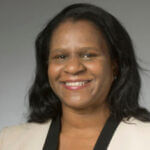
Renée Boynton-Jarrett, MD, ScD
Boston University School of Medicine
Speaker - Psychosocial and Societal Influences Theme
Dr. Boynton-Jarrett is a pediatrician and social epidemiologist and the founding director of the Vital Village Community Engagement Network and a Professor of Pediatrics at the Boston University School of Medicine. Her work focuses on the role of early-life adversities as life course social determinants of health. She has a specific concentration on psychosocial stress and neuroendocrine and reproductive health outcomes, including obesity and early puberty. Dr. Boynton-Jarrett is interested in social ecology and the role of neighborhood attributes in influencing health trajectory. She has studied the intersection of community violence, intimate partner violence, and child abuse and neglect and neighborhood characteristics that influence these patterns. Her current work is developing community-based strategies to promote child well-being and reduce child maltreatment using a collective impact approach in three Boston neighborhoods.
 Kecia N. Carroll, MD, MPH
Vanderbilt University Medical Center
Discussant - Psychosocial and Societal Influences Theme
Dr. Carroll is an Associate Professor of Pediatrics in the Division of General Pediatrics at the Vanderbilt University Medical Center. As an epidemiologist, she centers her research around prenatal and early life exposures on childhood asthma and respiratory disease. Dr. Carroll investigates how maternal dietary exposures during pregnancy influence the development of early childhood respiratory and atopic diseases by using administrative databases and cohort studies. She attended medical school at the Vanderbilt University School of Medicine, completed a residency at the University of California, San Francisco, and a General Academic Pediatrics Research Fellowship at the Vanderbilt University Medical Center.
 Patrick Catalano, MD
Tufts University School of Medicine, Tufts Medical Center
Discussant - Lifestyle Factors/Obesity Theme
Dr. Catalano is Professor of Obstetrics and Gynecology at the Mother Infant and Research Institute of Tufts University School of Medicine. He is also Chair Emeritus of the Department of Reproductive Biology at Case Western Reserve University/MetroHealth Medical Center. His research includes the longitudinal evaluation of women before, during, and after pregnancy to determine the short- and long-term effects of maternal obesity and diabetes on both the mother and her offspring. He is a member of several professional organizations including the American College of Obstetrics and Gynecology, Society of Maternal-Fetal Medicine, Society for Reproductive Investigation, American Diabetes Association, and the Perinatal Research Society. He was also the previous Chair of the American Diabetes Association Council on Pregnancy and Women’s Health. His awards include the Norbert Freinkel Award from the American Diabetes Association, the Jorgen Pedersen Award from the Diabetes in Pregnancy Study Group of the European Association for the Study of Diabetes, and the Agnes Higgins Award for contributions to maternal-fetal nutrition from the March of Dimes. He earned his MD from the College of Medicine at the University of Vermont.
 Zhanghua Chen, PhD
University of Southern California Keck School of Medicine
Speaker - Physical and Chemical Exposures Theme
Dr. Chen is Assistant Professor of Preventive Medicine at the Keck School of Medicine at the University of Southern California. She is an environmental epidemiologist and biostatistician with multidisciplinary expertise in environmental health, biostatistics, epidemiology, clinical medicine, obesity and diabetes pathophysiology, genomics, metabolomics, and data science. She has a strong track record in environmental health research with particular interests in the health effects of early-life environmental exposures in children and adults, the epidemiology of diabetes and obesity, and methods of multi-omics studies. Dr. Chen is establishing a novel research area in environmental epidemiology by leveraging the advanced metabolomics and multi-omics approaches. She is the principal investigator on the NIEHS-supported K99/R00 Pathway to Independence Award: “Metabolomic Signatures Linking Air Pollution, Obesity and Diabetes.” She has also published many papers in well-received medical journals such as Diabetes Care and American Journal of Respiratory and Critical Care Medicine. Her accomplishments in environmental health research have received wide media attention from national and international news agencies, including Reuters and Xinhua News Agency.
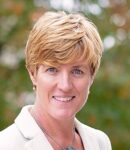 Kirsten Davison, PhD, MS
Boston College School of Social Work
Speaker - Fathers Theme
Dr. Davison is the Donahue and DiFelice Endowed Chair and Associate Dean for Research in the School of Social Work at Boston College. Following the completion of her PhD in Human Development and Families Studies at Penn State University, Dr. Davison held faculty appointments at SUNY Albany (2003-2011) and Harvard T.H. Chan School of Public Health (2011-2019) before joining the faculty at Boston College in July 2019. Dr. Davison leads an extramurally-funded research program focused on parenting and child health outcomes, with a particular focus on underserved families in a domestic setting. Funded by the National Institutes of Health, current studies include a randomized controlled trial testing the efficacy of a childhood obesity preventive intervention for low-income families implemented in Head Start, a cohort study examining links between sleep and growth in children from birth to 2 years, and a national study examining the role of fathers in childhood obesity prevention. Beyond her research, Dr. Davison has led transdisciplinary postgraduate training programs including the Public Health Nutrition doctoral program and the Cancer Prevention and Control fellowship program at Harvard.
 Roland Devlieger
KU Leuven
Speaker - Recruitment/Study Design Theme
Roland Devlieger holds an academic position at the KU Leuven as associate professor. He is the head of the division of maternal-fetal medicine within the department of Obstetrics and Gynecology, University Hospitals Leuven, Belgium. His research focus is mainly clinical and translational and focuses on obesity and pregnancy, reproduction after bariatric surgery, and fetal medicine and surgery. He is Senior Clinical Researcher for the Flemish research fund, FWO Flanders, Belgium and member of the board of directors from the International Society for Prenatal Diagnosis (ISPD). He is a founding member of the Fetal Care Academy and board member of BASO (Belgian association for the study of obesity). His current H−factor is 30 with a total of 2672 citations (without self−citations) from 252 peer−reviewed publications.
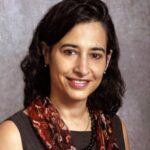 Cristiane Duarte, PhD, MPH
Columbia University
Speaker - Psychosocial and Societal Influences Theme
Dr. Duarte is a Professor in the Division of Child and Adolescent Psychiatry, Columbia University - New York State Psychiatric Institute. Dr. Duarte’s research is based on innovative population-based studies about the development of mental disorders in children, adolescents and young adults. Through the use of state-of-the art sampling, recruitment, and culturally appropriate assessment methodologies, she has sought to generate knowledge of relevance to diverse, often underserved and understudied populations. Currently, she is a leader of the Boricua Youth Study, the only multi-national source of information about how mental disorders develop from childhood to young adulthood in a Latino subgroup (Puerto Ricans). Dr. Duarte’s work has received support from the Brain and Behavior Research Foundation (formerly NARSAD), the Robert Wood Johnson Foundation (RWJF) and the U.S. National Institute of Health (NIDA, NIMH, NIAAA and NICHD). She is also a key member in several international collaborations in global mental health focused on how to improve child mental health services and implement interventions in low-resource settings. She has published several articles in psychiatric, psychological, public health, and pediatric journals.
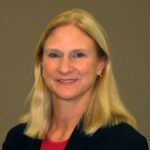 Christine Dunkel Schetter, PhD
University of California Los Angeles
Speaker - Psychosocial and Societal Influences Theme
Dr. Dunkel Schetter is a Distinguished Professor of Psychology and Psychiatry at the University of California, Los Angeles. She is Director of the NIMH pre- and postdoctoral training program in Biobehavioral Issues in Mental and Physical Health, and Co-Chair of the Health Psychology PhD program. She received her PhD from Northwestern University and completed postdoctoral training at the University of California, Berkeley. Her broad research expertise is in stress, coping and social support in a variety of health and mental health contexts. She has studied social relationships and adjustment to cancer, coping with stress and social support in middle-aged couples, psychological adjustment to infertility, genetic screening for cystic fibrosis, and adjustment to HIV/AIDS.
 Tom Fleming, PhD
University of Southampton
Speaker - Lifestyle Factors/Obesity Theme
Dr. Fleming is Emeritus Professor of Developmental Biology within Biological Sciences at the University of Southampton. He previously served as Senior Lecturer and Reader in Biology at the university. Prior to joining the University of Southampton, he was Senior Research Associate in the Anatomy Department at the University of Cambridge and Demonstrator at the University of Keele. He earned his PhD in cell biology at the University of London and his BSc in zoology from the University of Wales in Swansea.
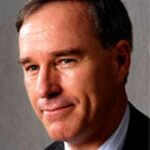 Keith Godfrey, FRCP, PhD
University of Southampton
Speaker - Lifestyle Factors/Obesity Theme
Dr. Godfrey is Director of the current National Institute of Health Research (NIHR) Southampton Biomedical Research Centre in nutrition. He is a Professor of Epidemiology and Human Development at the University of Southampton, Director of the Centre for Developmental Origins of Health and Disease, and Honorary Consultant within University Hospital Southampton NHS Foundation Trust. Professor Godfrey also serves as Trustee of the UK-registered charity, the International Society for the Developmental Origins of Health and Disease. His research is defining measures to improve the early growth and development of children, thereby improving their lifelong health.
 Michael Golding, PhD
Texas A&M University
Discussant - Fathers Theme
Dr. Golding is tenured Associate Professor in the Department of Veterinary Physiology at Texas A&M University, where he serves as the director of two courses studying human embryology and the physiological events of pregnancy. His research is focused at the interface between pregnancy and epigenetics, trying to understand how environmental exposures before conception or early in development cause disease later in life. Dr. Golding is associate editor for the scientific journal Environmental Epigenetics and has served on multiple NIH, NSF, and CIHR study sections examining epigenetics and developmental programming. His research program is focused on defining biochemical mechanisms of epigenetic inheritance, determining how these processes are influenced by exposure to toxicants, and the capacity of these heritable changes to cause birth defects and disease, and contribute to the development of fetal alcohol spectrum disorders (FASDs). Currently, his research is focused on understanding how male drinking, prior to conception, contributes to the development of alcohol-induced birth defects and disease.
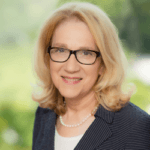 Lynn Goldman, MD, MS, MPH
George Washington University Milken Institute of Public Health
Discussant - Physical and Chemical Exposures Theme
Dr. Goldman is the Michael and Lori Milken Dean and Professor of Environmental and Occupational Health at the Milken Institute School of Public Health at the George Washington University. Formerly the Assistant Administrator for Toxic Substances at the U.S. Environmental Protection Agency, she is a renowned expert in pediatric environmental health and chemicals and pesticides policy. She has engaged in translating research to policy through writing policy analyses and via Congressional testimony in service of successful efforts by Congress to achieve passage of reforms both to federal pesticide law (the 1996 Food Quality Protection Act) and federal chemicals law (the 2016 Lautenberg Chemical Safety Act for the 21st Century) as well as legislation to establish California’s Childhood Lead Poisoning Prevention Program. She was previously Professor of Environmental Health Sciences at the Johns Hopkins University Bloomberg School of Public Health and Chief of the Division of Environmental and Occupational Disease Control at the California Department of Public Health. Dr. Goldman holds a BS and MS from the University of California at Berkeley, an MD from the University of California at San Francisco; an MPH from Johns Hopkins University; and completed pediatric residency training at the UCSF Benioff Children’s Hospital in Oakland. She is a member of the National Academy of Medicine (NAM) and has received several awards including the NAM Walsh McDermott Award for service to the academy, Heinz Award for Global Environmental Change, and the American Public Health Association Environment Section’s Homer M. Calver Award.
 Elizabeth E. Hatch, PhD, MS
Boston University School of Public Health
Speaker - Lifestyle Factors/Obesity Theme
Dr. Hatch is a Professor of Epidemiology at the Boston University School of Public Health. She is also a member of the Boston Nutrition Obesity Research Center at Boston University. Dr. Hatch’s areas of research include fertility and pregnancy outcomes, reproductive health, childhood obesity, and women’s cancer research. Currently, Dr. Hatch is leading a research study to evaluate factors related to fertility, miscarriage, and adverse pregnancy outcomes in Denmark. She has been the principal investigator for various NIH-funded grants focused on reproductive health, and her research has been published in several scholarly journals.
 Alison Hipwell, PhD, MA
University of Pittsburgh
Speaker - Psychosocial and Societal Influences Theme
Dr Hipwell’s program of research integrates multi-level and multidisciplinary developmental models to understand precursors and biobehavioral mechanisms of maternal peripartum mental health and their relevance for intergenerational transmission. For the past 19 years, Dr Hipwell has been integrally involved in the scientific direction of the longitudinal Pittsburgh Girls Study (PGS, MH056630; DA012237; JF-FX-0058), which has documented the type, timing and chronicity of life stress exposures (e.g., adversity, trauma, experiences of discrimination and racism) among 2,450 girls followed from childhood to young adulthood. She has also led/co-led multiple studies focused on prenatal and postpartum health and infant developmental outcomes (e.g., Preconception stress exposure: Implications for offspring neurodevelopment, OD023244; Preconception and prenatal stress effects on cardiovascular disease risk in Black women, HL157787; Parsing the heterogeneity of neural functioning in postpartum depression, HD067185; Postpartum psychopathology and teenage mothers, MH071790; Improving maternal and child health through prenatal fatty acid supplementation, HD084586; Impact of maternal caregiving on brain-behavior relationships in infants MH115466).
 Brian Jack, MD, MA
Boston University School of Medicine, Boston Medical Center
Speaker - Recruitment/Study Design Theme
Dr. Jack is a Professor at the Department of Family Medicine and the Director of the Center for Health System Design & Implementation at the Boston University School of Medicine and Boston Medical Center. He is also the Director of the Lesotho Boston Health Alliance, and is a founder of the AAFP’s Center for International Initiatives. Dr. Jack’s research interests include preconception health, family medicine, and patient safety. He has been published in over 130 medical journals, peer reviewed articles, papers, and book chapters. Dr. Jack is also the principal investigator for several grant projects funded by PCORI, the HRSA, MIMHD, AHRQ, and NHLBI.

Chandra Jackson, PhD, MS
National Institute of Environmental Health Sciences (NIEHS), National Institute on Minority Health and health Disparities (NIMHD)
Discussant - Lifestyle Factors/Obesity Theme
Dr. Jackson is an Earl Stadtman Investigator who leads the Social and Environmental Determinants of Health Equity Research group in the Epidemiology Branch of the National Institute of Environmental Health Sciences (NIEHS), with an appointment in the National Institute on Minority Health and Health Disparities (NIMHD). She investigates physical and social environmental factors that impact disparities in sleep health and subsequent cardiometabolic dysfunction. Dr. Jackson researches the social and biological factors of sleep and cardiovascular health by race, ethnicity, and socioeconomic status. Her research has been presented at national and international scientific conferences, and has been published in several academic journals and major media outlets.
 Vincent Jaddoe, MD, PhD
Harvard T.H. Chan School of Public Health
Speaker - Recruitment/Study Design Theme
Dr. Jaddoe is a pediatrician and Professor of Pediatric Epidemiology at the Harvard T.H. Chan School of Public Health. He is Principal Investigator of the Generation R Study, a population-based prospective cohort study among 10,000 pregnant women and their children in Rotterdam, The Netherlands. His research is focused on three main themes: maternal and fetal health, fetal and infant programming of common childhood diseases, and genetics and epigenetics of common childhood diseases. The general aim of his research is to explore how genetic variants and environmental exposures lead to maternal gestational complications, fetal and childhood developmental adaptation mechanisms, and risk factors for common diseases. Specific interest is in the identification of early critical periods and mechanisms leading to risk factors for diseases in later life. Main diseases of interest include cardiovascular disease, type 2 diabetes, obesity and respiratory diseases. Genetic association studies are embedded in the Early Growth Genetics (EGG) Consortium and Early Growth & Longitudinal Epidemiology (EAGLE) Consortium, in which various birth cohorts (>30,000 subjects) combine their genome-wide association studies efforts.
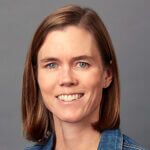 Erin LeBlanc, MD, MPH
Kaiser Permanente Center for Health Research
Speaker - Lifestyle Factors/Obesity Theme
Dr. LeBlanc is an epidemiologist and board-certified adult endocrinologist at the Kaiser Permanente Center for Health Research. Her research focuses on conditions that affect women, including menopause, obesity, osteoporosis, diabetes, and vitamin D deficiency. Currently she leads the Prepare study, which is examining the effects of a pre-pregnancy weight loss program. She led the D2d study, a multicenter study examining the effects of vitamin D on diabetes risk, as well as a study examining risk factors associated with fractures among people taking bisphosphonates. She was a co-investigator on De Por Vida, which is examining the effects of a weight loss intervention in Hispanics with diabetes or prediabetes. In 2011, Dr. LeBlanc led two systematic evidence reviews on obesity to support the U.S. Preventive Services Task Force. She also served as the Principal Investigator for the Women’s Health Initiative study, which examined heart disease, cancer, and osteoporosis in postmenopausal women. Dr. LeBlanc came to CHR in 2009 from Oregon Health & Science University. She graduated cum laude from the Yale University School of Medicine. Following her internal medicine residency at Stanford University and before joining OHSU, she completed fellowships in women’s health and endocrinology at the Portland VA Medical Center and OHSU, where she remains an affiliate assistant professor of endocrinology.
 Germaine Buck Louis, PhD, MS
George Mason University
Discussant - Recruitment/Study Design Theme
Dr. Louis is the Dean of the College of Health and Human Services at George Mason University. She was previously the Director for the Division of Intramural Population Health Research at the Eunice Kennedy Shriver National Institute of Child Health and Human Development (NICHD), National Institutes of Health. This position was preceded by her role as a tenured professor in the Department of Social and Preventive Medicine, University of Buffalo, School of Medicine and Biomedical Sciences, where she taught in both the graduate and medical schools. She is an internationally recognized reproductive and perinatal epidemiologist whose expertise focuses on environmental influences on human fecundity and fertility. Her research has focused on a mixture of environmental exposures, including endocrine disrupting chemicals, stress and lifestyle in relation to a spectrum of reproductive outcomes in both men and women. During her career, she served as Principal Investigator for original extramural and intramural research totaling more than $53 million. She has served as the President of the Society for Pediatric and Perinatal Epidemiologic Research, President of the Society for Epidemiologic Research, and Councilor for the International Society for Environmental Epidemiology.
 Gil G. Mor, MD, PhD
Wayne State University School of Medicine
Speaker - Physical and Chemical Exposures Theme
Dr. Mor is the Scientific Director and Vice Chair of Research for the C.S. Mott Center for Human Growth and Development at the Wayne State University School of Medicine, where he is a Professor of Obstetrics and Gynecology. He is a member of the American Association for Cancer Research, the Society for Gynecologic Investigation, and the American Society of Reproductive Immunology. Dr. Mor’s research examines the immunology of pregnancy, and the role of inflammation in cancer formation and progression. His research has been published over 300 times, and he is an editor of several educational books focused on pregnancy and immunology.
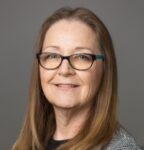 Susan Murphy, PhD
Duke University
Speaker - Fathers Theme
Dr. Murphy is Associate Professor in Obstetrics and Gynecology at the Duke University School of Medicine. Her research interests are largely centered around epigenetics and the role of epigenetic modifications in health and disease. Her research projects include studies of gynecologic malignancies, including working on approaches to target ovarian cancer cells that survive chemotherapy and later give rise to recurrent disease. Her projects investigate the nature of the Developmental Origins of Health and Disease (DOHaD) hypothesis, which reflects the idea that early environment plays an important part in shaping risks of developing neurodevelopmental disorders or other chronic health problems. She is currently focused on preconception exposures in males with studies of the impact of cannabis use on the sperm epigenome and heritability of these effects. Her lab is also working on the effects of in utero exposures, with their primary work revolving around the Newborn Epigenetics STudy (NEST), a mother-infant dyad cohort recruited from central North Carolina between 2005 and 2011 and whom they have followed since early pregnancy.
 Shane Norris, PhD
University of the Witwatersrand
Discussant - Recruitment/Study Design Theme
Shane Norris is a Research Professor within the Department of Paediatrics at the University of the Witwatersrand, Johannesburg, South Africa. Shane is the Director of the South African Medical Research Council’s Developmental Pathways for Health Research Unit (DPHRU), and Director of the South African Department of Science and Technology and National Research Council’s Centre of Excellence in Human Development (CoE-HUMAN). He is an elected Fellow of the Academy of Science of South Africa, and President of the Africa Chapter of the International Society of Developmental Origins of Health and Disease. Shane’s research expertise is in lifecourse nutrition and epidemiology.
 Lucilla Poston, CBE, PhD
King’s College London
Discussant - Lifestyle Factors/Obesity Theme
Professor Poston is Tommy’s Charity Professor of Maternal & Fetal Health at King’s College London and Director of the Tommy’s Maternal & Fetal Research Unit based at St. Thomas’ Hospital. She is the Research Lead for King’s Health Partners’ Institute of Women and Children’s Health and leads a large multidisciplinary research team which investigates disorders of pregnancy including premature birth, pre-eclampsia and the complications arising from maternal obesity. Her own research focuses on maternal nutrition, obesity and gestational diabetes, with a focus on the early life origins of health and disease. Professor Poston is President of the International Society for Developmental Origins of Health and Disease, an Honorary Fellow of the Royal College of Obstetricians and Gynaecologists (FRCOG), and was elected Fellow of the Academy of Medical Sciences in 2009. She was appointed NIHR Senior Investigator, Emeritus in 2017, having succeeded twice in open competition. In the same year, she was awarded a Commander of the Order of the British Empire (CBE) for services to Women’s Health.
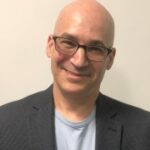 Enrique Schisterman, PhD, MS
University of Pennsylvania Perelman School of Medicine
Discussant - Recruitment/Study Design Theme
Dr. Schisterman is Chair of the Department of Biostatistics, Epidemiology and Informatics at the Perelman School of Medicine at the University of Pennsylvania. Dr. Schisterman, whose expertise bridges biostatistics and epidemiology, is a national leader in epidemiological methods and reproductive epidemiology. He previously served as senior investigator and Epidemiology Branch Chief in the Division of Intramural Population Health Research in the Eunice Kennedy Shriver National Institute of Child Health & Human Development at the National Institutes of Health. At the NIH, he completed the BioCycle Study, a prospective observational study to assess the relationships between endogenous hormones and biomarkers of oxidative stress and other biomarkers across the menstrual cycle. He also designed and completed important randomized trials for low-cost interventions to improve fertility in couples, including the Effects of Aspirin on Gestation and Reproduction Trial and the Folic Acid and Zinc Supplementation Trial. He is Editor in Chief of the American Journal of Epidemiology, and has served as editor for multiple journals. He earned his BA in statistics at Haifa University and both his master's degree in statistics and his PhD in epidemiology from the State University of New York, Buffalo. He completed his postdoctoral training in the Department of Epidemiology at the Harvard School of Public Health in 2000.
 Joseph Stanford, MD, MSPH, CFCMC
University of Utah
Speaker - Recruitment/Study Design Theme
Dr. Stanford of the University of Utah focuses his practice on restorative reproductive medicine (natural procreative technology) for infertility, miscarriage, and treating women’s health conditions without using artificial hormones. He also has a particular interest in polycystic ovarian syndrome, endometriosis, premenstrual syndrome, natural family planning and menopause. He is a certified FertilityCare Medical Consultant through the American Academy of FertilityCare Professionals. He received his medical degree from the University of Minnesota Medical School and completed residency training in family medicine and a master’s degree in public health at the University of Missouri-Columbia. He is board certified in family medicine, and a Fellow of the American Academy of Family Physicians.
 Shanna Swan, PhD
Icahn School of Medicine at Mount Sinai
Discussant - Fathers Theme
Dr. Swan has worked for over twenty-five years to understand the threats posed by chemicals to our environment and our health, and, when necessary, to develop new paradigms to assess their risks. Of most concern to Dr. Swan are the chemicals that our bodies can confuse with its own hormones (the “endocrine disrupting” chemicals). At the Icahn School of Medicine at Mount Sinai, Department of Environmental Medicine and Public Health, Dr. Swan is working with a wide range of collaborators, including epidemiologists, biostatisticians, toxicologists, geneticists and systems biologists, to conduct studies and develop methods to evaluate the risks from such chemicals — methods that are sensitive enough to tease out the often subtle health effects of complex mixtures.
 Leonardo Trasande, MD, MPP
New York University College of Global Public Health
Discussant - Physical and Chemical Exposures Theme
Dr. Trasande, Professor of Pediatrics at NYU Langone Health, is an internationally renowned leader in children’s environmental health. His research focuses on identifying the role of environmental exposures in childhood obesity and cardiovascular risks, and documenting the economic costs for policymakers of failing to prevent diseases of environmental origin in children proactively. He also holds appointments in the Wagner School of Public Service and NYU’s College of Global Public Health. He is perhaps best known for a series of studies published in Lancet Diabetes and Endocrinology and the Journal of Clinical Endocrinology and Metabolism that document disease costs due to endocrine disrupting chemicals in the U.S. and Europe. Dr. Trasande leads one of 35 centers across the country as part of the National Institute of Health’s Environmental Influences on Child Health Outcomes (ECHO) Program. He is leveraging the NYU Children’s Health and Environment Study, as well as another birth cohort, to examine phthalates, bisphenols, organophosphate pesticides and polycyclic aromatic hydrocarbons and their effects on fetal and postnatal growth and early cardiovascular and renal risks. He has served as a member of numerous scientific committees and expert panels, including the American Academy of Pediatrics’ Executive Committee of the Council for Environmental Health; the Science and Technical Advisory Committee for the World Trade Center Health Program; and the National Children’s Study Methodological Review Panel of the National Academy of Sciences. After receiving his bachelor, medical, and public policy degrees from Harvard, he completed the Boston Combined Residency in Pediatrics and a legislative fellowship in the Office of Senator Hillary Rodham Clinton.
 Sarah Verbiest, PhD, MSW, MPH
University of North Carolina at Chapel Hill School of Social Work, School of Medicine
Discussant - Psychosocial and Societal Influences Theme
Dr. Verbiest is the Director of the Jordan Institute for Families at the University of North Carolina at Chapel Hill School of Social Work, and is the Executive Director of the Collaborative for Maternal and Infant Health at the UNC School of Medicine. She also leads the national NC Preconception Health and Health Care Initiative, is a steering committee member for the HRSA MCHB Lifecourse Intervention Research Network, and is a Principal Investigator of the Maternal Health Learning and Innovation Center. Dr. Verbiest’s research focuses on preconception health, maternal and child health, preterm birth prevention, and family care. She has led many successful research efforts, including being a co-investigator of the Re-engineering Postnatal Unit Care project, Transition Home to Reduce Perinatal Morbidity, and Mortality MIECHV Early Home Visiting Needs Assessment projects. Dr. Verbiest’s research has been published in several maternal, child health, and behavioral journals.
 Matthew W. Gillman, MD, SM
Office of the Director, National Institutes of Health (NIH)
Dr. Gillman, MD, SM joined the National Institutes of Health on July 5, 2016 as the director of the ECHO Program. Dr. Gillman joined NIH from Harvard Medical School where he was a professor of population medicine and a professor of nutrition at Harvard School of Public Health. His background is in the fields of epidemiology, pediatrics, and internal medicine. He has extensive experience with cohort studies, having served as an investigator on several large, high-profile studies such as Project Viva, the Growing Up Today Study, PROBIT, the Framingham Heart Study and the National Children’s Study.
 S. Sonia Arteaga, PhD
Office of the Director, National Institutes of Health (NIH)
Dr. S. Sonia Arteaga, is a Supervisory Health Scientist Administrator in the Environmental influences on Child Health Outcomes (ECHO) Program at the National Institutes of Health. She joined the ECHO Program in 2019 and leads a team of Program Officers that oversees the ECHO Program, is the Program lead for ECHO’s Opportunity Infrastructure Fund, and manages a diverse portfolio of grants focusing on obesity and environmental influences on children’s health. Prior to joining ECHO, Dr. Arteaga was at the National Heart, Lung, and Blood Institute where she led several research initiatives, including the Healthy Communities Study, a large observational study in 130 diverse communities and over 5000 children and their families to assess the characteristics of programs and policies and their associations with BMI, diet, and physical activity in children. She was also the NHLBI lead for the Lifestyle Interventions for Expectant Moms (LIFE-Moms) consortium which targeted appropriate gestational weight gain among women with overweight and obesity. Dr. Arteaga is a member of the Senior Leadership Group of the NIH Obesity Research Task Force and provides leadership on the development and coordination of obesity research efforts across the NIH. Dr. Arteaga is also a member of the National Collaborative on Childhood Obesity Research and works with other federal agencies to further childhood obesity research. Dr. Arteaga received her Ph.D. in psychology from the University of Maryland Baltimore County.
 Drew Bremer, MD, PhD
Eunice Kennedy Shriver National Institute of Child Health and Human Development (NICHD)
Dr. Andrew A. Bremer joined the National Institutes of Health (NIH) as a Medical Officer in November 2013 within the National Institute of Diabetes and Digestive and Kidney Diseases’ Division of Diabetes, Endocrinology, and Metabolic Diseases, and was appointed in May 2018 to be the Chief of the Pediatric Growth and Nutrition Branch within the Eunice Kennedy Shriver National Institute of Child Health and Human Development (NICHD). His areas of research include pediatric and adult endocrine disorders, maternal diet and gestational obesity, the impact of the intrauterine environment on long-term maternal and child health outcomes, and childhood obesity. He is also the Acting Chief of the Pregnancy and Perinatology Branch at NICHD and the Program Official for NICHD’s Neonatal Research Network, Maternal-Fetal Medicine Units Network, and Global Network for Women’s and Children’s Health Research. Dr. Bremer is a Co-Chair on the National Collaborative on Childhood Obesity Research Steering Committee, and the NIH Liaison to the American Academy of Pediatrics’ Committee on Nutrition and Section on Obesity.
 Kimberly Gray, PhD
National Institute of Environmental Health Science (NIEHS)
Dr. Gray is an epidemiologist with training in maternal child health, neuroscience and environmental health. As a Program Director within the Population Health Branch, Extramural Research and Training at NIEHS, she oversees research related to pediatric epidemiology including early life exposures that influence children’s neurological health and well-being. Kimberly directs the former NIEHS and EPA Children’s Environmental Health Centers, NIEHS Environmental Epidemiology Cohort Maintenance and Resource, and the new NIEHS Collaborative Centers in Children’s Environmental Health Research and Translation. She is a scientific member of the NIEHS WHO Collaborative Centre among the Children’s Environmental Health focus area, the NIH Pediatric Research Consortium led by NICHD and the NIEHS liaison to the ECHO trans-NIH working group.
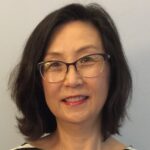 Christina Park, PhD
Office of the Director, National Institutes of Health (NIH)
Dr. Park is an epidemiologist trained in environmental epidemiology at the Johns Hopkins School of Public Health. She serves as Program Officer for the Environmental influence on Child Health Outcomes (ECHO) program. In addition to overseeing a number of cohort grants, she serves as a data lead within the ECHO program office and contribute to a number of program areas including protocol development, implementation and evaluation, data collection and management, and promotion of team science practices. Dr. Park’s research interests include maternal and child health outcomes, and health services research related to health disparity issues. She has contributed to the development and implementation of the National Children’s Study (NCS) Vanguard Study at NICHD.
 Erica L. Spotts, PhD
Office of Behavioral and Social Sciences Research (OBSSR)
Dr. Erica L. Spotts is a Health Scientist Administrator for the Office of Behavioral and Social Sciences Research (OBSSR) at the National Institutes of Health. In that role, she supports the OBSSR mission to enhance the impact of health-related behavioral and social sciences research, coordinate and integrate these sciences within the larger NIH research enterprise, and communicate health-related behavioral and social sciences research findings. Dr. Spotts previously served in the Division of Behavioral and Social Research at the National Institute on Aging (NIA). Dr. Spotts’ research interests focus on the interplay of interpersonal relationships, mental health, and genetic factors in adolescence and adulthood. At the NIH, she has focused on promoting research that integrates behavioral, social and genetic sciences. More recently, Dr. Spotts has been organizing OBSSR’s Training Committee, which has the mission of identifying and addressing training needs in the behavioral and social science community both within and outside of the NIH.
Supported by the NIH
Workshop Chairs
Matthew W. Gillman, MD, SM
Program Director
S. Sonia Arteaga, PhD
Program Officer
Environmental influences on Child Health Outcomes (ECHO)
Office of the Director, National Institutes of Health
Planning Team
Carol Blaisdell, MD, Med (ECHO/OD)
Drew Bremer, MD, PhD (NICHD)
Kimberly Gray, PhD (NIEHS)
Manjit Hanspal, PhD (ECHO/OD)
Susan Laessig, PhD (ECHO/OD)
Erin Luetkemeier, PhD (ECHO/OD)
Somdat Mahabir, PhD, MPH (NCI)
Christina Park, PhD (ECHO/OD)
Erica Spotts, PhD (OBSSR)
Leslie Thompson, PHD (ECHO/OD)
Alkis Togias, MD (NIAID)
Informational Workshop Booklet
Click here to access the Workshop Booklet including informational materials from the presenters.
Questions
Contact Aaron Uhlenberg at aaron.uhlenberg@duke.edu
*Individuals with disabilities who need reasonable accommodation to participate in this event should contact Aaron Uhlenberg (aaron.uhlenberg@duke.edu). Requests should be made by Monday, June 14th.